In the global trade of ginger, exporters often face formidable challenges during long - distance transportation. These challenges mainly include the decline in product quality, high rates of rot, and material losses, which can significantly impact customer satisfaction and the overall economic returns. This article aims to offer a comprehensive solution to these issues by exploring the key aspects of cold - chain logistics management and advanced packaging solutions.
Temperature control is the cornerstone of successful ginger cold - chain logistics. Maintaining a consistent temperature within the 10–13°C range is crucial throughout the entire process, from pre - cooling at the origin to container loading and transportation. This temperature range is scientifically proven to slow down the respiration rate of ginger, thereby reducing spoilage and maintaining its freshness. For example, if the temperature exceeds 13°C, the ginger's metabolic rate will accelerate, leading to faster spoilage. Conversely, temperatures below 10°C can cause cold damage to the ginger.
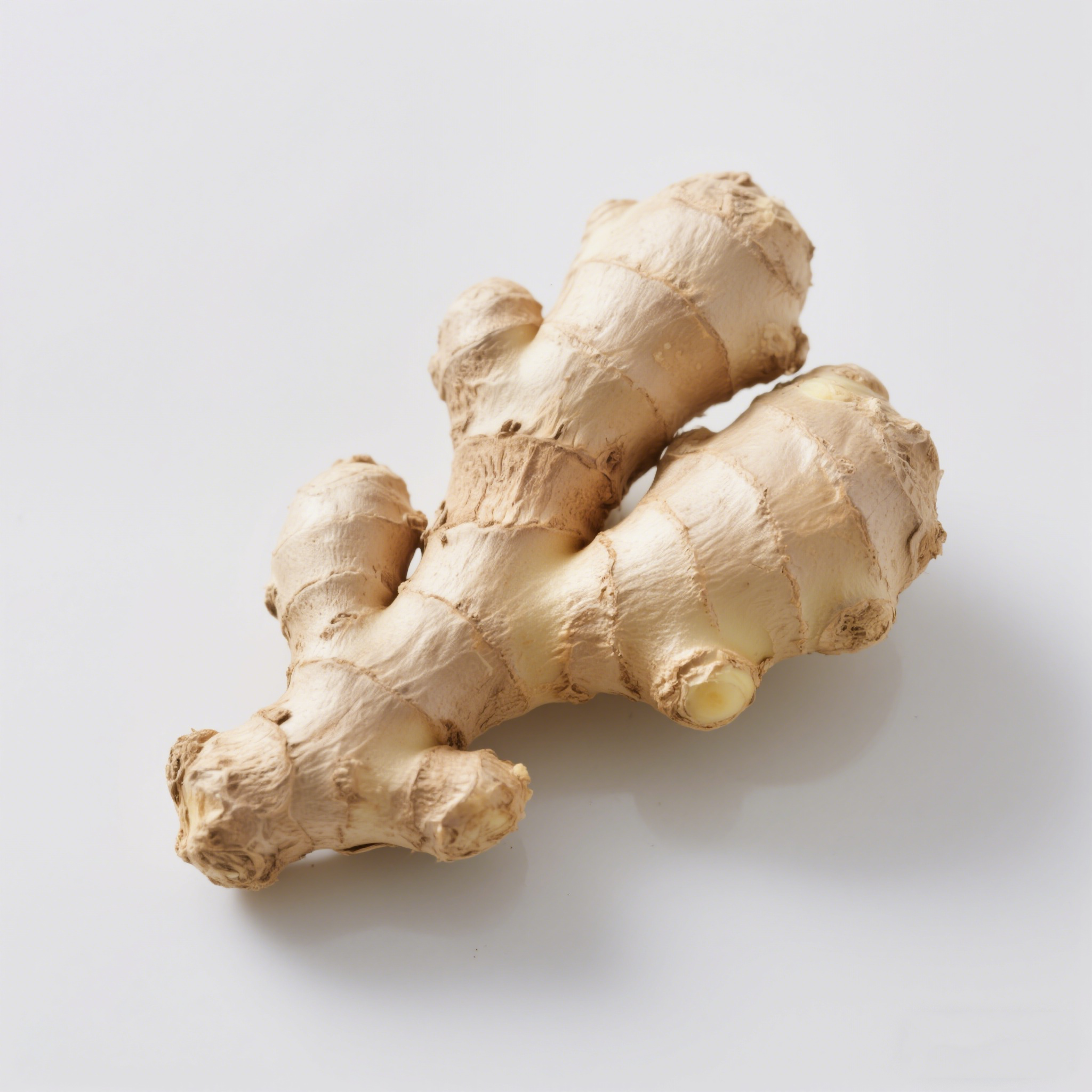
Pre - cooling: Immediately after harvest, ginger should be pre - cooled to remove field heat. This step can be achieved using forced - air cooling or hydro - cooling methods. Pre - cooling helps to quickly lower the temperature of the ginger to the optimal range, reducing the risk of spoilage during subsequent transportation.
Container Loading: Proper loading techniques are essential to ensure uniform air circulation within the container. Incorrect stacking can lead to poor air circulation, resulting in temperature variations and potential spoilage. It is recommended to use pallets and ensure proper spacing between stacks.
Transportation: During transportation, continuous monitoring of the temperature is necessary. Modern refrigerated containers are equipped with advanced temperature control systems that can maintain the set temperature. However, regular inspections are still required to ensure the proper functioning of these systems.
Unloading: Once the ginger reaches its destination, it should be unloaded promptly and stored in a suitable environment. Any delay in unloading can expose the ginger to unfavorable temperature conditions.
Condensation: Condensation is a common problem in ginger cold - chain logistics. It occurs when warm, moist air comes into contact with cold surfaces. To prevent condensation, it is advisable to use moisture - absorbing materials such as desiccants and ensure proper ventilation within the container. For instance, placing a layer of moisture - absorbing pads at the bottom of the container can effectively reduce the risk of condensation.
Localized Rot: Localized rot can be caused by various factors, including physical damage during handling and improper temperature control. To address this issue, careful handling of the ginger is essential, and any damaged ginger should be removed before packaging. Additionally, maintaining a consistent temperature can prevent the spread of rot.
The combination of breathable film and moisture - absorbing pads is an advanced packaging solution for ginger exports. The breathable film allows for the exchange of gases, preventing the build - up of ethylene and carbon dioxide, which can accelerate spoilage. The moisture - absorbing pads, on the other hand, help to keep the packaging environment dry, reducing the risk of rot. Many international buyers have reported a significant reduction in spoilage rates after adopting this packaging solution.
Temperature and humidity recorders play a vital role in monitoring the environmental conditions during transportation. These devices can provide real - time data on temperature and humidity, allowing exporters and logistics providers to take timely action if any deviations occur. The data collected by these recorders can also be used for quality control and traceability purposes.
Seamless coordination of customs clearance documents is crucial for a smooth export process. Exporters need to ensure that all necessary documents, such as certificates of origin, phytosanitary certificates, and packing lists, are accurate and complete. This helps to avoid delays at customs and ensures that the ginger reaches its destination in a timely manner.
We have provided customized packaging + cold - chain solutions for many international customers, significantly reducing the spoilage rate of ginger. If you are looking for reliable and efficient solutions for your ginger exports, don't hesitate to take the next step.
Explore Our Customized Ginger Export Solutions Now!
 63
|
63
|
 fresh garlic export preservation
cold chain logistics management
garlic packaging solutions
agricultural supply chain quality control
international certification standards
fresh garlic export preservation
cold chain logistics management
garlic packaging solutions
agricultural supply chain quality control
international certification standards
 437
|
Export ginger cold chain
Temperature and humidity monitoring
Cold - chain logistics management
Ginger transportation temperature control
Temperature and humidity recorder usage
437
|
Export ginger cold chain
Temperature and humidity monitoring
Cold - chain logistics management
Ginger transportation temperature control
Temperature and humidity recorder usage
 49
|
export ginger cold chain
temperature control management
ginger transportation techniques
cold chain packaging materials
temperature humidity monitoring
49
|
export ginger cold chain
temperature control management
ginger transportation techniques
cold chain packaging materials
temperature humidity monitoring
 255
|
export ginger cold chain transport
ginger temperature management
fresh produce cold chain logistics
breathable packaging for ginger
GlobalGAP export standards
204
|
ginger export cold chain
condensation prevention in refrigerated transport
ginger temperature control
breathable packaging for ginger
temperature humidity monitoring
255
|
export ginger cold chain transport
ginger temperature management
fresh produce cold chain logistics
breathable packaging for ginger
GlobalGAP export standards
204
|
ginger export cold chain
condensation prevention in refrigerated transport
ginger temperature control
breathable packaging for ginger
temperature humidity monitoring