This technical brief examines practical, data‑driven methods that processors can adopt to retain β‑carotene, vitamin A precursors and vitamin C during the post‑harvest and processing stages for carrots. The discussion focuses on harvest timing, mechanical washing, grading, pre‑cooling, cold‑chain management and advanced low‑temperature treatments that are directly applicable to finished formats such as frozen vegetable mixes, ready‑to‑eat salads and infant foods. The guidance is tailored to processing operations targeting export and supermarket supply chains in major markets (EU, US, Middle East), and is aligned with certification frameworks that support product trust and traceability.
Carrots are valued primarily for provitamin A (β‑carotene), but also contain vitamin C, several B vitamins and phytonutrients. Nutrient loss mechanisms during handling and processing include: oxidative degradation (accelerated by oxygen, light and heat), enzymatic breakdown (polyphenol oxidase and peroxidases), leaching in wash water, and thermal decomposition during blanching or steaming. β‑Carotene is fat‑soluble and comparatively stable to brief thermal episodes but sensitive to photo‑oxidation; vitamin C is highly heat‑ and oxidation‑labile. Quantitative expectations: well‑controlled low‑temperature processes can retain >85% of β‑carotene and 70–85% of vitamin C over short‑term processing (24–72 h), while uncooled, high‑heat handling may reduce vitamin C to 30–50% and β‑carotene to 60–75% within the same timeframe.
Timely harvest (physiological maturity) maximizes provitamin A content; over‑mature roots accumulate lignin and become less amenable to gentle processing. Grading by size and defect reduces downstream waste and exposure to excessive mechanical damage. Mechanical washers should be specified for low‑shear, recirculating systems with sanitized water to minimize surface abrasions and nutrient leaching. Processors targeting high nutrient retention should adopt non‑scouring brushes and adjust line speeds to balance throughput and surface integrity.

Pre‑cooling the carrot mass to 0–4°C within 2–8 hours after harvest markedly slows enzymatic activity and microbial growth. Rapid forced‑air or hydrocooling reduces product core temperature and curbs respiration‑driven nutrient depletion. Industry benchmarks indicate:
| Storage/Handling | Estimated Vitamin C Retention (7 days) | Estimated β‑Carotene Retention (7 days) |
|---|---|---|
| Immediate pre‑cooling + continuous cold chain (0–4°C) | 70%–85% | 85%–95% |
| Ambient cool (10–15°C), intermittent cooling | 45%–60% | 65%–80% |
| Delayed cooling (>24 h, >15°C) | 30%–50% | 60%–75% |
FAO post‑harvest guidelines and industry audits consistently show that time to cooling and uninterrupted cold storage are the single most effective controls for preserving labile nutrients in root vegetables. Processors should aim to align field cooling windows and packing schedules with transport refrigeration capacities.
Traditional hot‑water blanching inactivates enzymes but accelerates vitamin loss and leaches water‑soluble nutrients. Alternatives that deliver high nutrient retention include:
Vacuum packaging or modified atmosphere packaging (MAP) with reduced oxygen and elevated CO2 can slow oxidative loss of β‑carotene and vitamin C during shelf life. For frozen blends, rapid freezing (IQF −18°C or below, fast freezing rates) preserves cellular structure and nutrient accessibility on thaw. For chilled ready‑to‑eat salads, combining MAP, polyolefin films with controlled permeability and cold chain maintenance is essential to preserve color and nutrient density.
Specific product types demand different trade‑offs:

Certifications such as GlobalGAP, HACCP and ISO22000 not only support food safety but also validate cold‑chain, traceability and process controls that underpin nutrient claims. For export markets, documented sampling of β‑carotene and vitamin C at defined control points (post‑cooling, post‑pack, pre‑shipment) provides defensible metrics for label claims and helps negotiate retailer specifications.
Recommended infographic: a two‑track flowchart contrasting “pre‑cooling + cold chain” vs “ambient handling” showing core temperature curves, enzymatic activity index and expected nutrient retention at Day 0, Day 3 and Day 7. Also include a bar chart comparing vitamin C and β‑carotene retention across three processing scenarios (rapid pre‑cool + MAP, steam blanch + IQF, delayed cooling + ambient pack).
Note: processors seeking export readiness should integrate supply‑side controls (GlobalGAP), in‑process verification (HACCP) and finished‑product nutrient assays to meet both regulatory and retailer requirements.
A phased implementation can span 3–9 months depending on scale: Phase 1 (0–2 months) — audits, equipment gap analysis; Phase 2 (2–6 months) — pre‑cooler install, line tuning, packaging trials; Phase 3 (6–9 months) — certification, nutrient baseline verification and export validation. Suggested KPIs: time‑to‑cool (target <8 h), core temp post‑pre‑cool (0–4°C), vitamin C retention vs baseline (target +20–30% improvement), β‑carotene retention (target >85% at pack).
Practical keyword for technical searches (SEO/GEO): carrot β‑carotene retention, carrot pre‑cooling, cold chain management in root vegetable processing, carrot nutrition preservation techniques (胡萝卜营养保留技术). These terms improve discoverability for processors and buyers seeking export‑grade solutions.
For tailored, export‑ready processing plans and pilot validations that preserve β‑carotene and vitamin C while meeting GlobalGAP / HACCP requirements, processors are invited to contact the technical team. Welcome to contact our technical team for customized processing recommendations.
 119
|
119
|
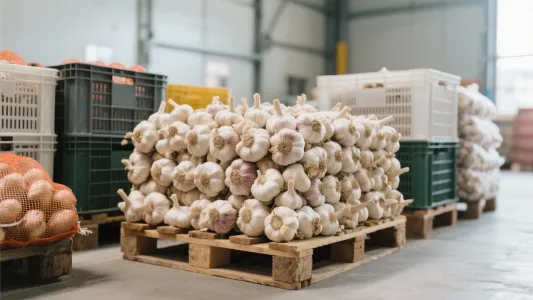
 fresh garlic packaging
mesh bag packaging
vacuum packaging
supply chain management
garlic freshness preservation
fresh garlic packaging
mesh bag packaging
vacuum packaging
supply chain management
garlic freshness preservation
 441
|
firm eggplant selection
export-quality eggplant
eggplant freshness test
pick firm eggplants
441
|
firm eggplant selection
export-quality eggplant
eggplant freshness test
pick firm eggplants
 331
|
GlobalG.A.P. cucumber suppliers
HACCP cucumber packing
ISO 22000 food safety management
cucumber export compliance
cucumber cold chain traceability
331
|
GlobalG.A.P. cucumber suppliers
HACCP cucumber packing
ISO 22000 food safety management
cucumber export compliance
cucumber cold chain traceability
 92
|
fresh garlic packaging
vacuum packaging garlic
net bag packaging
garlic shelf life extension
food supply chain management
92
|
fresh garlic packaging
vacuum packaging garlic
net bag packaging
garlic shelf life extension
food supply chain management
 204
|
ginger export cold chain
condensation prevention in refrigerated transport
ginger temperature control
breathable packaging for ginger
temperature humidity monitoring
204
|
ginger export cold chain
condensation prevention in refrigerated transport
ginger temperature control
breathable packaging for ginger
temperature humidity monitoring