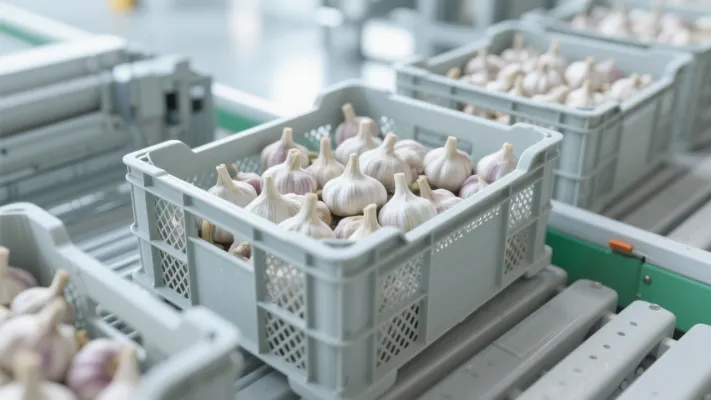
Ensuring the high quality of fresh garlic throughout the export supply chain remains a critical challenge for producers and export managers alike. Fresh garlic’s sensitivity to environmental conditions requires meticulous management from pre-harvest cultivation to final delivery logistics. This guide explores data-driven, scientifically proven strategies and international compliance standards that safeguard garlic freshness, mitigate postharvest losses, and optimize export value.
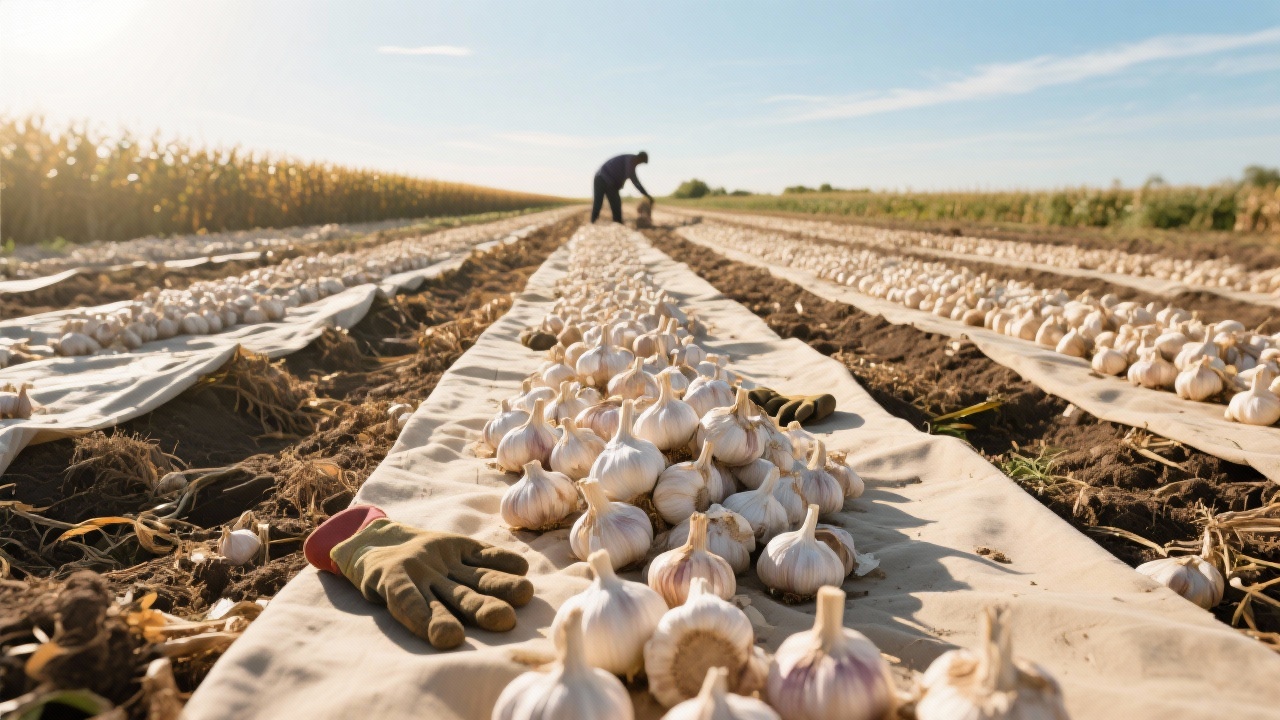
Harvest quality begins in the field. Adhering to green cultivation principles is indispensable. Effective control of chemical fertilizers and pesticides minimizes residue risks, aligning with Global GAP standards that 79% of top garlic exporters follow to meet stringent international buyer requirements.
Farmers are encouraged to employ integrated pest management (IPM) and organic fertilizers to enhance bulb robustness and reduce fungal susceptibility. Research indicates that reducing synthetic nitrogen application by 25-40% without compromising yield can significantly improve garlic bulb storability and reduce spoilage rates by up to 15% during transport.
Immediately after harvest, proper postharvest treatment is critical. Fresh garlic must undergo gentle cleaning to remove soil and debris without damaging the protective outer layers. Studies show that improper washing can increase fungal infection rates by 10-20%.
The subsequent wind-drying or natural air-drying step reduces surface moisture, a key factor in suppressing mold growth and sprouting during long-haul shipments. Controlled drying to achieve a consistent 12-15% moisture content optimizes shelf life. In commercial settings, forced-air drying technologies accelerate this process while maintaining bulb integrity, shortening drying time from days to mere hours.
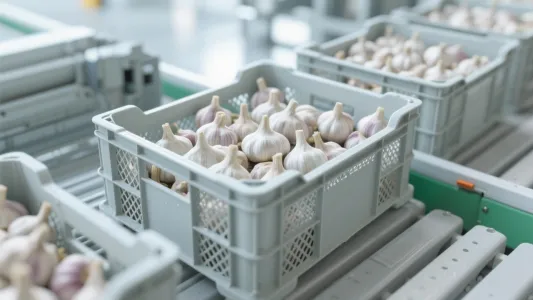
The packaging approach directly influences garlic’s transport resilience. Two prevalent options dominate international shipments:
Selecting packaging depends on destination, transit time, and handling conditions. For example, exporters targeting European grocers often prefer vacuum-sealed packs paired with cold chain logistics, whereas those shipping regionally might leverage breathable mesh packaging for cost-effectiveness.
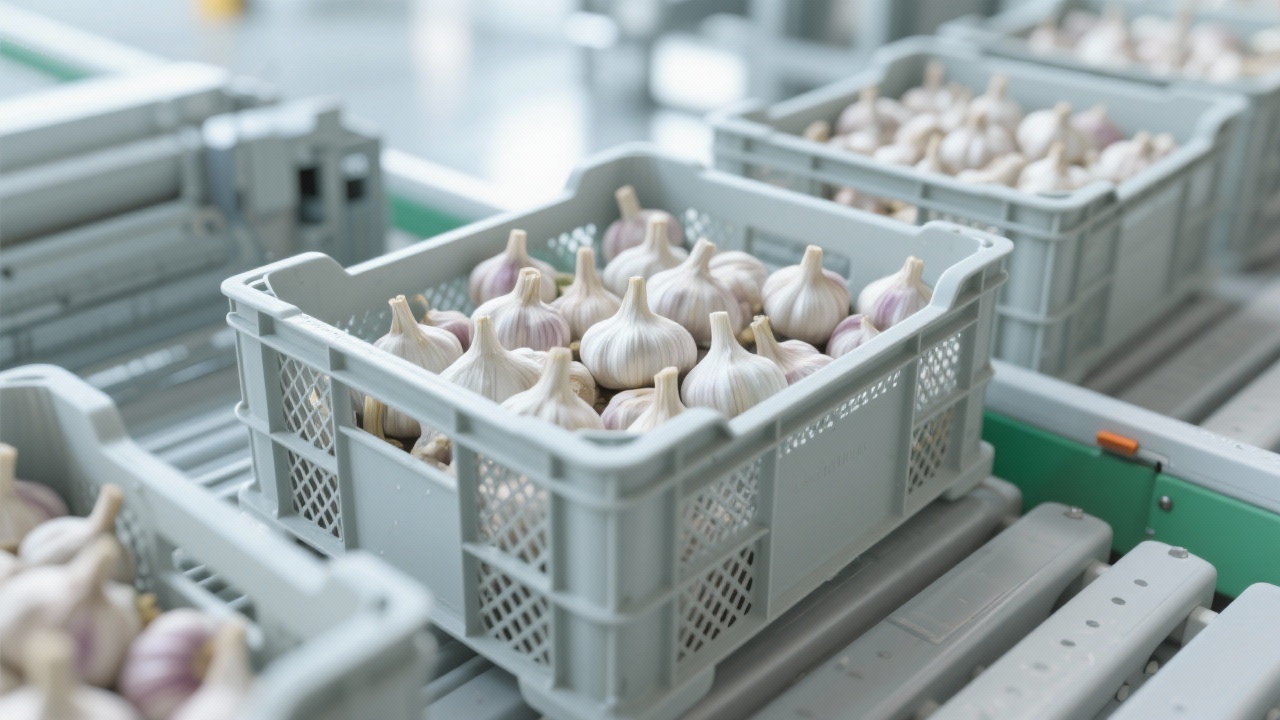
Cold chain management is the backbone of export freshness retention. Fresh garlic’s ideal temperature ranges between 0-4°C with relative humidity maintained at 60-70% to prevent sprouting while avoiding mold.
Innovations in real-time temperature and humidity monitoring minimize spoilage risks. Using IoT sensors integrated with logistics platforms allows exporters and importers to receive alerts of deviations, enabling proactive interventions.
A recent survey of 50 exporters revealed that shipments with temperature deviation exceeding 4°C for over 6 hours saw a 30% increase in rejected cargo due to decay. Hence, strict adherence to temperature thresholds is non-negotiable.
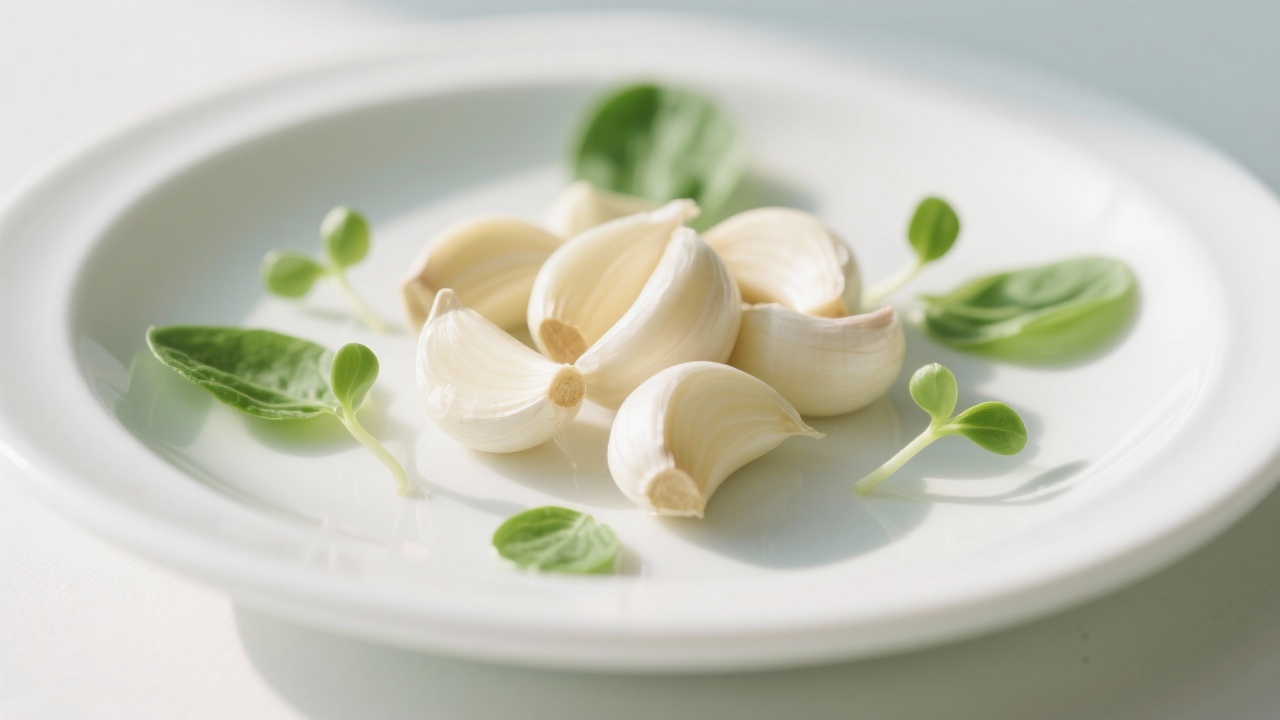
Compliance with HACCP and Global GAP standards reassures buyers and import regulators while streamlining customs clearance. Third-party organizations like SGS provide indispensable testing for pesticide residues, microbial contamination, and physical quality parameters.
Data from SGS reports show compliance improves the acceptance rate by 25% in demanding markets such as the EU and Japan. Moreover, integrating test results into digital traceability platforms supports transparency and brand credibility.

 160
|
160
|
 garlic processing certification
HACCP for garlic products
ISO22000 food safety
export garlic compliance
food safety management system
158
|
Garlic powder production process
Garlic paste making process
Garlic sauce processing technology
Overseas foodservice garlic application
Garlic processing food safety
429
|
garlic moisture control
vacuum packaging for garlic
deoxidizer application
long-distance garlic preservation
fresh garlic packaging technology
garlic processing certification
HACCP for garlic products
ISO22000 food safety
export garlic compliance
food safety management system
158
|
Garlic powder production process
Garlic paste making process
Garlic sauce processing technology
Overseas foodservice garlic application
Garlic processing food safety
429
|
garlic moisture control
vacuum packaging for garlic
deoxidizer application
long-distance garlic preservation
fresh garlic packaging technology
 116
|
fresh garlic export
Global GAP certification
supply chain management
temperature and humidity control
packaging solutions
116
|
fresh garlic export
Global GAP certification
supply chain management
temperature and humidity control
packaging solutions
 211
|
Fresh garlic bulb preservation technology
Long - distance transport temperature - humidity control
Garlic packaging solutions
Agricultural product supply chain management
Export garlic quality standards
211
|
Fresh garlic bulb preservation technology
Long - distance transport temperature - humidity control
Garlic packaging solutions
Agricultural product supply chain management
Export garlic quality standards