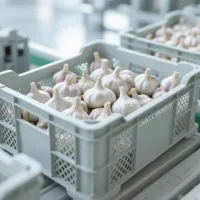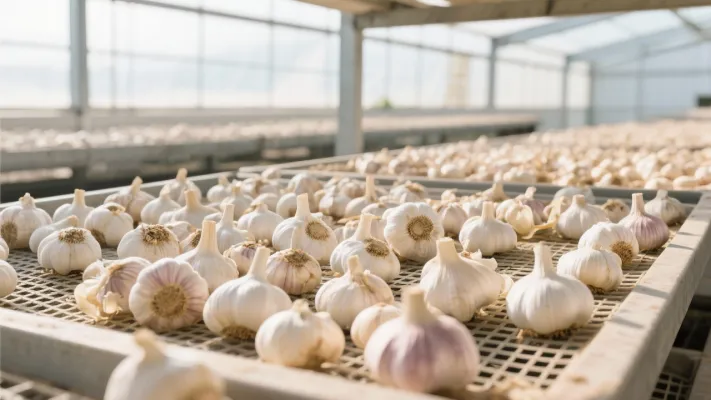
Exporting fresh ginger globally is fraught with logistical hurdles—primarily controlling temperature and humidity to avoid condensation and rot. Effective cold chain management not only guarantees product integrity but also boosts importer confidence and customs clearance efficiency. This article explores the cutting-edge packaging approach combining breathable films with moisture absorbent pads, paired with a precisely maintained 10–13°C temperature range, to transform ginger cold chain logistics.
International shipments of ginger often face issues such as condensation buildup inside packages, improper stacking leading to physical damage, and microbial degradation due to trapped moisture. These factors contribute to increased shrinkage rates, sometimes exceeding 15–20% during long-haul transit, affecting profitability and brand reputation.
Key Insight: Maintaining a stable 10–13°C environment reduces biochemical degradation rates by up to 30%, crucial for preserving ginger quality during extended shipping windows.
Research indicates that ginger’s metabolic activity diminishes significantly within this temperature band, retarding sprouting and decay mechanisms. Unlike colder temperatures below 10°C, which risk chilling injury, or warmer climates above 13°C that accelerate spoilage, this range balances freshness retention and injury prevention.
Breathable films crafted from specialized polymers allow selective gas exchange—venting excess humidity while barring external contaminants. Combined with moisture absorbent pads, which trap condensation before it contacts the product, this packaging assembly maintains a dry microclimate. Moreover, some films incorporate antimicrobial agents to suppress microbial growth, extending shelf life.
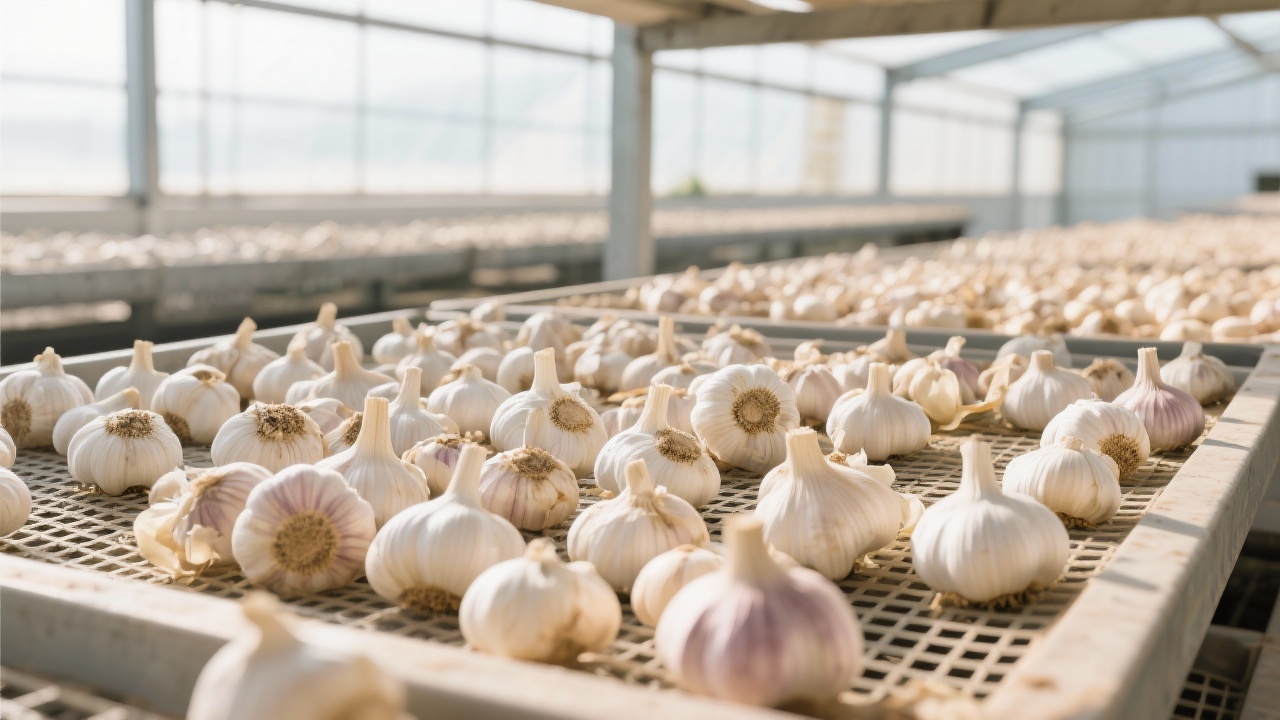
Case studies from over 50 international shipments demonstrate an average reduction in product loss rates by 37% compared to traditional packaging. The preservation of ginger freshness across complex routes involving pre-cooling at the origin, multimodal transit, and customs clearance has tangible effects on customer satisfaction, repeat orders, and reduced waste.
Deploying electronic temperature-humidity recorders with data-logging capabilities is essential. Operators should place sensors proximate to the product’s core within the pallet. Understanding recorded data patterns enables early identification of packaging breaches and non-compliance with cold chain protocols, allowing for corrective actions by logistics providers.

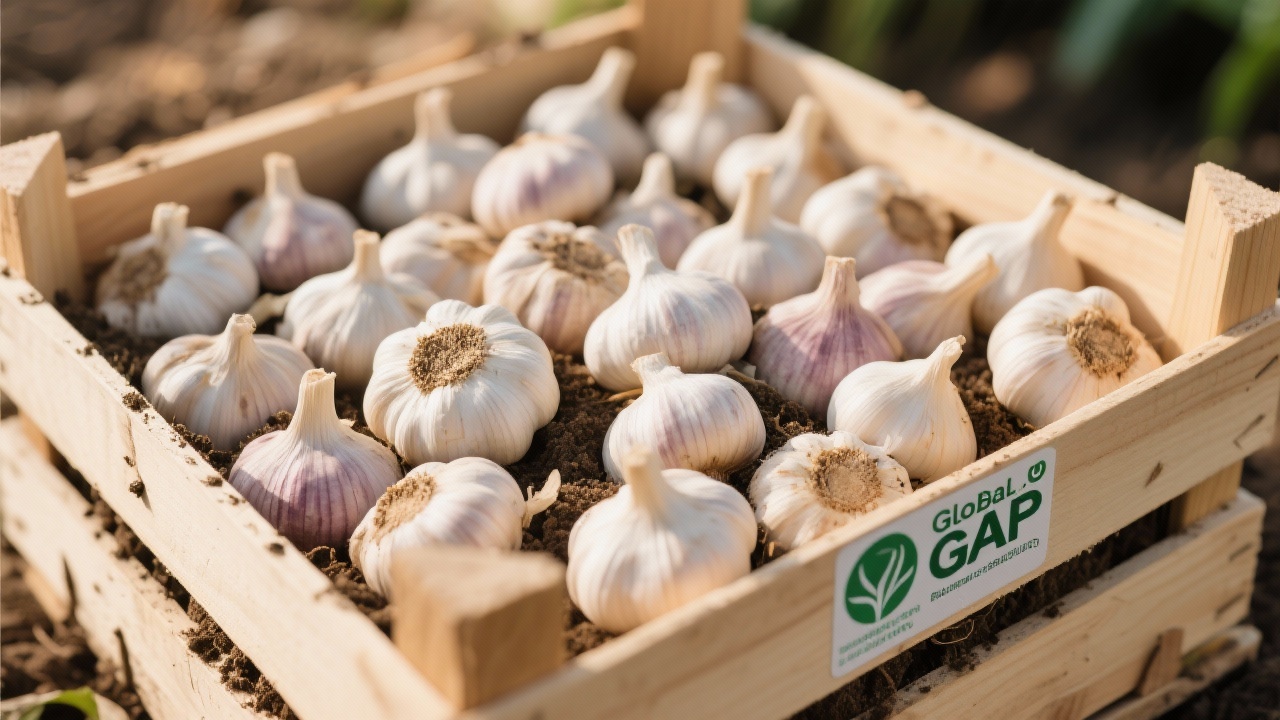
Alignment of the packaging system with GlobalGAP and HACCP protocols underscores traceability and food safety compliance. These certifications necessitate detailed documentation of cold chain conditions—packaging that stabilizes internal environments greatly simplifies audits and hazard controls demanded by importers.
Interactive Question: Have you encountered mold or soggy packaging after ginger transport? Implementing breathable film plus moisture pads could be your cost-effective remedy.
 63
|
63
|
 fresh garlic export preservation
cold chain logistics management
garlic packaging solutions
agricultural supply chain quality control
international certification standards
fresh garlic export preservation
cold chain logistics management
garlic packaging solutions
agricultural supply chain quality control
international certification standards
 429
|
garlic moisture control
vacuum packaging for garlic
deoxidizer application
long-distance garlic preservation
fresh garlic packaging technology
429
|
garlic moisture control
vacuum packaging for garlic
deoxidizer application
long-distance garlic preservation
fresh garlic packaging technology
 287
|
fresh garlic export
HACCP certification
Global GAP certification
cold chain logistics
food safety standards
74
|
Fresh garlic mildew prevention
Antiseptic packaging technology
Supply chain management
Temperature - controlled transportation
Agricultural product certification
212
|
Fresh garlic bulb preservation technology
Long - distance transport temperature - humidity control
Garlic packaging solutions
Agricultural product supply chain management
Export garlic quality standards
287
|
fresh garlic export
HACCP certification
Global GAP certification
cold chain logistics
food safety standards
74
|
Fresh garlic mildew prevention
Antiseptic packaging technology
Supply chain management
Temperature - controlled transportation
Agricultural product certification
212
|
Fresh garlic bulb preservation technology
Long - distance transport temperature - humidity control
Garlic packaging solutions
Agricultural product supply chain management
Export garlic quality standards