For exporters of fresh ginger, maintaining optimal temperature throughout the supply chain is not just a best practice—it’s a non-negotiable requirement for quality assurance and market competitiveness. According to industry data, over 40% of perishable agricultural exports suffer from temperature deviations during transit, leading to spoilage or rejection at destination ports.
Unlike many root vegetables that tolerate lower temperatures, ginger requires a narrow thermal window to remain firm, aromatic, and free from microbial growth. Research from the International Journal of Refrigeration confirms that keeping ginger between 10–13°C minimizes enzymatic activity while preventing condensation-related decay. This range preserves volatile oils responsible for flavor and reduces moisture loss—critical for buyers in Europe, North America, and the Middle East who demand consistent quality across shipments.
1. Pre-Cooling at Origin: Immediately after harvest, ginger should be cooled within 4 hours to prevent respiration-induced heat buildup. Use forced-air cooling systems set at 12°C for 6–8 hours to stabilize internal temperature.
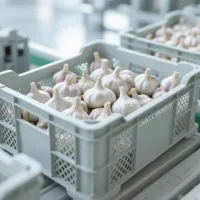
2. Loading & Transport: Load containers with proper airflow spacing (minimum 5 cm gap between pallets). Maintain uniformity using high-density polyethylene (HDPE) bins lined with breathable film—this prevents cold spots and reduces risk of surface condensation by up to 70%, per a 2023 study by the Food Safety Authority of Singapore.
3. Monitoring During Transit: Install wireless temperature-loggers calibrated to ±0.5°C accuracy. Real-time alerts via SMS or cloud dashboard allow immediate intervention if temps drift outside the safe zone—a feature increasingly required by EU importers under Regulation (EU) 2019/1020.
Risk 1: Condensation Build-Up – Caused by rapid temperature changes when moving from cool storage to warm environments. Solution: Use desiccant packs inside packaging and pre-condition containers to match ambient conditions before loading.
Risk 2: Overcrowding Leads to Spoilage – High-density stacking traps heat and limits airflow. Best Practice: Keep stack height under 1.8 meters and leave 10–15 cm gaps between layers for ventilation.
Risk 3: Poor Documentation – Missing phytosanitary certificates or incomplete cold chain logs can lead to customs delays. Always coordinate with your logistics provider to prepare digital records aligned with IATA Cargo Services standards.
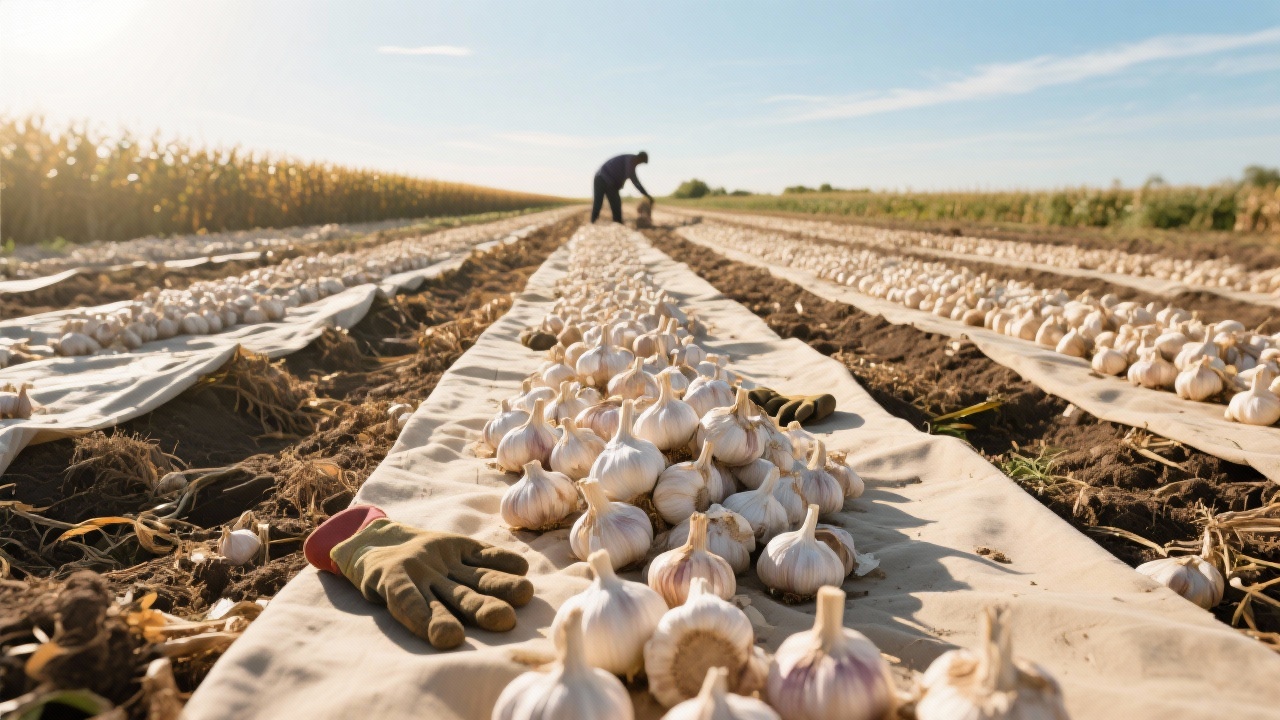
By integrating these practices into your export workflow, you’re not only meeting buyer expectations—you’re building trust that translates into repeat orders and long-term partnerships.
Explore our premium breathable packaging solutions designed specifically for international ginger exports — engineered to reduce spoilage, enhance shelf life, and meet global compliance standards.
Get Your Free Packaging Sample Kit
 313
|
313
|
 Garlic paste export challenges
Flavor stability solutions
Garlic processing technology
Food export compliance standards
HACCP certification application
Garlic paste export challenges
Flavor stability solutions
Garlic processing technology
Food export compliance standards
HACCP certification application
 89
|
fresh garlic packaging
vacuum packaging garlic
net bag packaging
garlic shelf life extension
food supply chain management
89
|
fresh garlic packaging
vacuum packaging garlic
net bag packaging
garlic shelf life extension
food supply chain management
 475
|
ginger cold chain logistics
export ginger packaging solutions
breathable film for produce
moisture absorbent pads in shipping
ginger spoilage reduction
475
|
ginger cold chain logistics
export ginger packaging solutions
breathable film for produce
moisture absorbent pads in shipping
ginger spoilage reduction
 120
|
fresh garlic export
Global GAP certification
supply chain management
temperature and humidity control
packaging solutions
120
|
fresh garlic export
Global GAP certification
supply chain management
temperature and humidity control
packaging solutions
 255
|
export ginger cold chain transport
ginger temperature management
fresh produce cold chain logistics
breathable packaging for ginger
GlobalGAP export standards
255
|
export ginger cold chain transport
ginger temperature management
fresh produce cold chain logistics
breathable packaging for ginger
GlobalGAP export standards