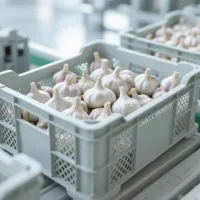
Exporting ginger involves a complex cold - chain logistics process that requires strict control and attention to detail. This guide will take you through every step, from pre - cooling at the origin to container loading and transportation, ensuring the freshness and compliance of your ginger products.
Pre - cooling is the first and crucial step in the cold - chain process. It rapidly reduces the temperature of ginger to the appropriate level, slowing down the respiration rate and microbial growth. Scientific pre - cooling methods can significantly extend the shelf life of ginger. For example, forced - air pre - cooling can lower the temperature of ginger from ambient to 10 - 13°C within 2 - 3 hours, which is much faster than natural cooling.
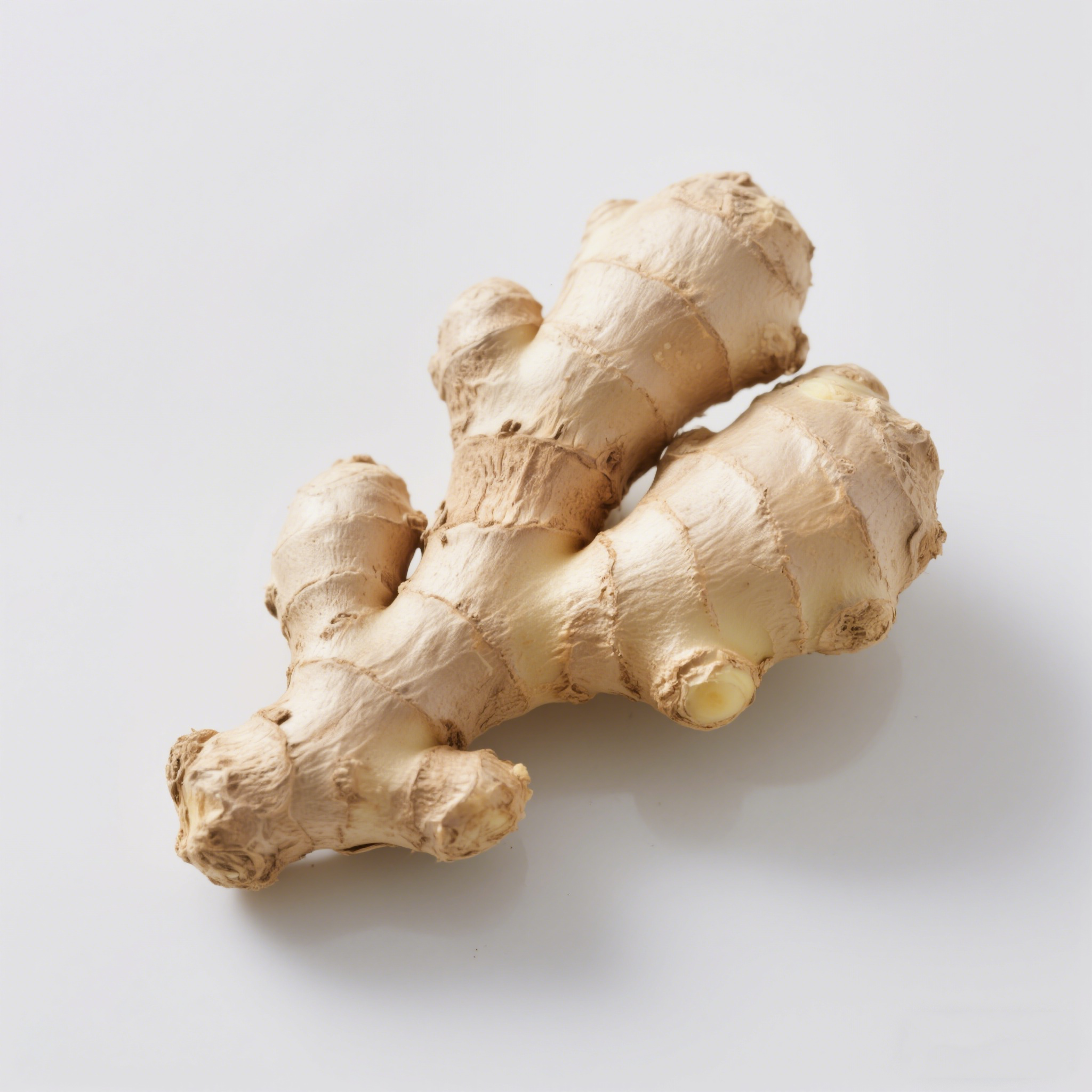
Maintaining a stable temperature range of 10 - 13°C during transportation is essential. Fluctuations in temperature can lead to condensation, which in turn causes mold and rot. To achieve this, high - quality refrigerated containers are required. Regular temperature checks should be carried out every 2 - 3 hours during transit. A temperature deviation of more than 1°C from the set range should be immediately addressed.
According to international standards such as Global GAP and HACCP, strict temperature control is a prerequisite for ensuring product safety and quality.
Common problems in ginger cold - chain logistics include the formation of condensation and rot caused by improper stacking. Condensation is mainly due to the temperature difference between the ginger and the surrounding environment. To prevent this, we recommend using a combination of breathable film and moisture - absorbing pads. This packaging solution has been verified in multiple European and American customer projects.
Improper stacking can lead to poor air circulation and local overheating. Ginger should be stacked in a way that allows for adequate ventilation, with a gap of at least 5 cm between layers.
The choice of packaging materials is crucial for maintaining the quality of ginger. A combination of breathable film and moisture - absorbing pads can effectively reduce the risk of condensation and mold. The breathable film allows for gas exchange, while the moisture - absorbing pads can absorb excess moisture. This packaging combination has been proven to keep ginger fresh for up to 30 days during long - distance transportation.
Temperature and humidity recorders are essential tools for monitoring the cold - chain environment. They can collect real - time data on temperature and humidity, which can be used to track the condition of ginger during transportation. Operators should be trained to read and interpret the data accurately. Any abnormal data, such as a sudden drop in temperature or a sharp increase in humidity, should be investigated immediately.
ISO22000 standard emphasizes the importance of accurate data collection and management in the food cold - chain process.
Smooth customs clearance is a key factor in ensuring the timely delivery of exported ginger. All necessary documents, such as inspection reports and certificates of origin, should be prepared in advance and managed in a coordinated manner. Any missing or incorrect documents can lead to delays at the port.
Have you ever encountered problems such as softening or bad odor of ginger after transportation? Leave your comments below and share your experiences!
Learn More about Our Ginger Cold - Chain Solutions
 160
|
160
|
 garlic processing certification
HACCP for garlic products
ISO22000 food safety
export garlic compliance
food safety management system
garlic processing certification
HACCP for garlic products
ISO22000 food safety
export garlic compliance
food safety management system
 57
|
fresh garlic export preservation
temperature-controlled logistics solutions
garlic cold chain transport
food supply chain management
cross-border agricultural transport
160
|
Garlic powder production process
Garlic paste making process
Garlic sauce processing technology
Overseas foodservice garlic application
Garlic processing food safety
429
|
garlic moisture control
vacuum packaging for garlic
deoxidizer application
long-distance garlic preservation
fresh garlic packaging technology
362
|
garlic processing technology
garlic powder aroma retention
food export quality control
drying temperature management
garlic flavor stabilization
57
|
fresh garlic export preservation
temperature-controlled logistics solutions
garlic cold chain transport
food supply chain management
cross-border agricultural transport
160
|
Garlic powder production process
Garlic paste making process
Garlic sauce processing technology
Overseas foodservice garlic application
Garlic processing food safety
429
|
garlic moisture control
vacuum packaging for garlic
deoxidizer application
long-distance garlic preservation
fresh garlic packaging technology
362
|
garlic processing technology
garlic powder aroma retention
food export quality control
drying temperature management
garlic flavor stabilization