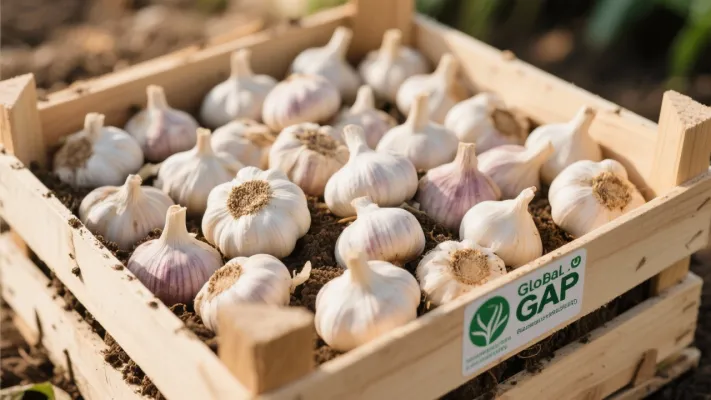
In the global ginger export market, maintaining the freshness and quality of ginger through an effective cold chain is crucial. This article provides in - depth analysis and practical guidance on temperature control strategies for ginger cold chain logistics, aiming to ensure that the temperature of ginger remains within the 10 - 13°C range.
Research indicates that maintaining a temperature between 10 - 13°C is ideal for preserving the quality of ginger. At this temperature range, the respiration rate of ginger can be effectively controlled, thereby reducing moisture loss and decay. According to industry standards, when the temperature deviates from this range, the quality of ginger can deteriorate significantly. For example, if the temperature is below 10°C, ginger may experience cold damage, and if it exceeds 13°C, the risk of mold growth and spoilage increases.
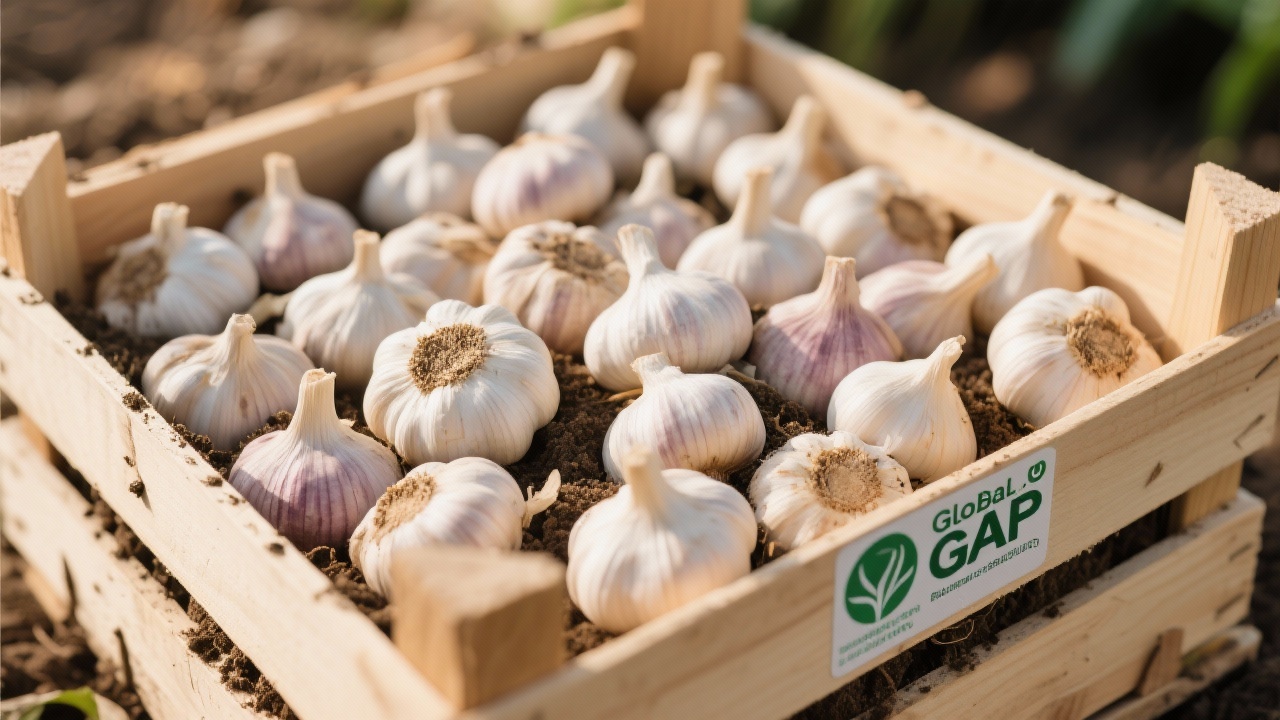
1. Pre - cooling at the Origin: Once ginger is harvested, it should be pre - cooled to 10 - 13°C within 4 hours. This can be achieved through forced - air cooling or hydro - cooling. Forced - air cooling can reduce the temperature of ginger by 5 - 8°C per hour, while hydro - cooling is more efficient in some cases, with a cooling rate of up to 10°C per hour.
2. Container Loading Temperature Management: Before loading ginger into the container, the container should be pre - cooled to the same temperature as the ginger. The use of temperature - controlled containers can ensure that the temperature remains stable during transportation.
3. Temperature and Humidity Monitoring during Transportation: Temperature and humidity sensors should be installed in the container to monitor the environment inside in real - time. Regular checks are also necessary. If the temperature fluctuates by more than 1°C, adjustments should be made promptly.
4. Unloading Process: When unloading, the transfer time should be minimized to avoid prolonged exposure to non - controlled temperatures.
Condensation is a common problem in cold chain transportation. It is mainly caused by the significant temperature difference between the inside and outside of the container. To address this issue, the use of ventilation systems and moisture - absorbing materials is recommended. Another problem is improper stacking density. If the stacking density is too high, local air circulation will be poor, resulting in local decay. The recommended stacking density is 250 - 300 kg per cubic meter.
Selecting suitable packaging materials is also an important part of cold chain management. Breathable films and moisture - absorbent mats are ideal choices. Breathable films can allow air circulation while preventing moisture loss, and moisture - absorbent mats can absorb excess moisture, reducing the risk of mold growth. Our company offers advanced ginger packaging solutions that can effectively meet these requirements.
Temperature and humidity recorders play a vital role in data management. They can record temperature and humidity data at regular intervals, such as once every 15 minutes. By analyzing these data, problems can be detected and resolved in a timely manner. Our smart temperature control devices can accurately record and analyze data, providing strong support for cold chain management.
Preparing and coordinating clearance documents is essential to ensure smooth transportation. This includes certificates of origin, inspection reports, etc. Completing these documents in advance can avoid delays at customs and ensure that ginger reaches the destination on time.
Explore Our Advanced Ginger Cold Chain Solutions Now!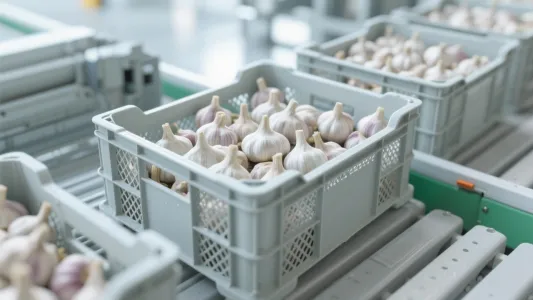
 63
|
63
|
 fresh garlic export preservation
cold chain logistics management
garlic packaging solutions
agricultural supply chain quality control
international certification standards
fresh garlic export preservation
cold chain logistics management
garlic packaging solutions
agricultural supply chain quality control
international certification standards
 126
|
fresh tomato export standards
lycopene nutritional benefits
processed tomato specifications
retail tomato quality criteria
international agri-supply chain
126
|
fresh tomato export standards
lycopene nutritional benefits
processed tomato specifications
retail tomato quality criteria
international agri-supply chain
 289
|
fresh garlic transportation
supply chain quality management
garlic packaging solutions
temperature and humidity control
international food safety standards
289
|
fresh garlic transportation
supply chain quality management
garlic packaging solutions
temperature and humidity control
international food safety standards
 495
|
ginger cold chain logistics
temperature humidity logger usage
export ginger temperature control
冷链数据解读技巧
cold chain compliance for food export
495
|
ginger cold chain logistics
temperature humidity logger usage
export ginger temperature control
冷链数据解读技巧
cold chain compliance for food export
 475
|
ginger cold chain logistics
export ginger packaging solutions
breathable film for produce
moisture absorbent pads in shipping
ginger spoilage reduction
475
|
ginger cold chain logistics
export ginger packaging solutions
breathable film for produce
moisture absorbent pads in shipping
ginger spoilage reduction