Optimized Temperature Control Strategies for Export Ginger Cold Chain: Maintaining Freshness at 10-13°C

2026-02-06
Fenglv Agricultural Products
Technical knowledge
This article provides a comprehensive analysis of temperature control strategies in the export cold chain logistics of ginger, focusing on maintaining a stable temperature range of 10-13°C to preserve freshness and quality. It details critical stages including pre-cooling at origin, container temperature regulation, transportation monitoring, and unloading management. Key challenges such as condensation and improper stacking density leading to localized spoilage are addressed with practical solutions. The article also reviews the application of advanced packaging materials combining breathable films and moisture-absorbing pads, alongside operational tips and data interpretation techniques for temperature and humidity recorders. Furthermore, coordination between cold chain temperature management and export clearance documentation is emphasized to ensure smooth international trade. Drawing from industry practices, this guide offers actionable and professional insights for exporters, logistics providers, and buyers to enhance the international competitiveness of ginger products.
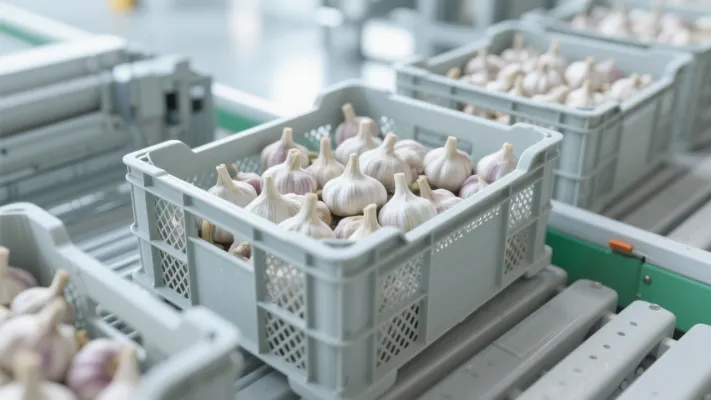
Temperature controlled ginger shipment during transport preserving freshness

Export Ginger Cold Chain Temperature Control: Maintaining 10-13°C for Freshness

In global fresh produce trade, ginger exporters face the critical challenge of preserving product quality through cold chain logistics. Maintaining a stable temperature range of 10-13°C is essential to sustain ginger's freshness, aroma, and shelf life during cross-border transportation. This article unpacks scientifically-backed temperature control strategies across the full cold chain process—from pre-cooling at origin to post-arrival handling—offering actionable guidance for exporters, logistics providers, and buyers aiming to uphold competitive edge in international markets.

Why 10-13°C? The Science Behind Optimal Temperature Control

Ginger is a tropical root crop sensitive to chilling injury below 8°C and rapid spoilage above 15°C. Extensive studies indicate that the 10-13°C window strikes a balance between metabolic slowdown and cold damage prevention. Operating within this range reduces respiration rates by nearly 40%, delays microbial growth, and prevents tissue browning, leading to an extended marketable life by up to 21 days under proper humidity control (RH 90-95%).

Cold Chain Logistics: Key Temperature-Controlled Phases

  1. Origin Pre-cooling: Immediate post-harvest hydrocooling or forced-air cooling quickly reduces ginger core temperature to 10-13°C, halting enzymatic activity.
  2. Loading & Pallet Stacking: Use ventilated crates and avoid excessive stacking density to ensure uniform airflow and temperature distribution.
  3. Container Temperature Control: Reefer containers must be calibrated to maintain constant 10-13°C with ±0.5°C fluctuations monitored via temperature sensors.
  4. In-transit Temperature Monitoring: Deploy continuous data loggers for real-time alerts to deviations, enabling corrective actions.
  5. Unloading & Post-Transport Handling: Gentle unloading avoids condensation buildup; rapid transfer to temperature-controlled storage is critical.

Note: Proper cold chain breaks and temperature deviations exceeding ±2°C can increase ginger spoilage rates by up to 25%, impacting overall export quality.

Mitigating Common Cold Chain Risks in Ginger Export

Despite controlled temperatures, exporters face recurring challenges:

  • Condensation & Cold Water Accumulation: Can cause local decay spots. Use moisture-absorbing pads (desiccants) within packaging to mitigate.
  • Stacking Density & Airflow: Overstacking blocks ventilation, resulting in hot spots and uneven cooling.
  • Temperature Fluctuations During Transit: Improper refrigeration unit calibration or door openings lead to rapid temperature spikes.

Advanced Packaging Solutions: Ventilated Films and Absorbent Pads

Modern packaging combining perforated breathable films with absorptive moisture pads significantly enhances shelf life by:

  • Maintaining optimal humidity near 90-95% inside packages without excess moisture accumulation.
  • Enabling controlled gas exchange (oxygen and carbon dioxide) to slow down oxidation and microbial growth.
  • Preventing surface wetness and fungal growth by absorbing condensation effectively.

Heat-sealed ventilated films customized for ginger crates alongside high-capacity silica gel or superabsorbent pads are recommended for premium exporters targeting long-haul shipments exceeding 14 days.

Temperature and Humidity Data Logging: Best Practices

Effective cold chain management relies on temperature and humidity data recorders to provide traceable, verifiable environmental conditions. Recommendations include:

  • Installation inside various container zones (top, middle, bottom) for comprehensive monitoring.
  • Configuration with alert thresholds (10°C min / 13°C max) to detect breaches quickly.
  • Post-shipment data download and analysis to identify bottlenecks or handling issues.

Seamless Linkage Between Cold Chain Control and Export Documentation

Compliance with export regulations requires synchronized cold chain documentation, including:

  • Temperature and humidity logs certified by logistics provider.
  • Phytosanitary certificates confirming product condition and origin adherence.
  • Reefer container calibration and cleaning certificates.

Proper coordination avoids customs delays and strengthens buyer trust, ensuring the ginger arrives in prime condition ready for retail.

Temperature controlled ginger shipment during transport preserving freshness

Field Case: Implementing 10-13°C Cold Chain & Packaging Innovations

A large-scale Indian ginger exporter integrated forced-air pre-cooling with new breathable film packaging and real-time IoT temperature sensors in their 40-ft refrigerated containers. Within 8 months, product rejection rates at European ports dropped by 35%, and customer complaints related to freshness reduced by over 50%. The meticulous management of cold chain temperature alongside absorptive pad usage was cited as key to their export growth.
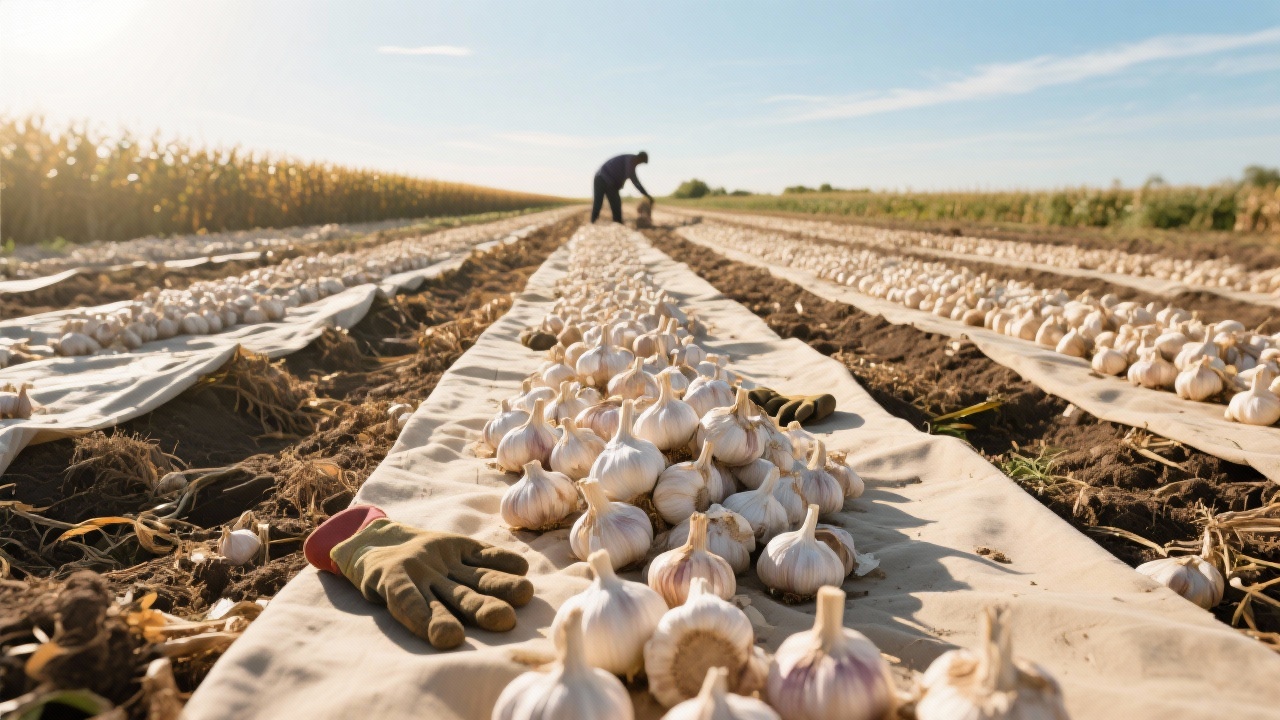
Ginger crates stacked with ventilated breathable film packaging and moisture-absorbing pads

These integrated solutions not only preserve flavor and texture but also elevate brand reputation in discerning markets requiring premium quality assurance.

Unlock Your Export Potential with Expert Cold Chain Packaging

Elevate your ginger exports through scientifically optimized cold chain logistics and advanced packaging materials that guarantee freshness from farm to fork. Our tailored solutions encompass specialized breathable films and moisture absorption systems designed specifically for temperature-sensitive root crops.
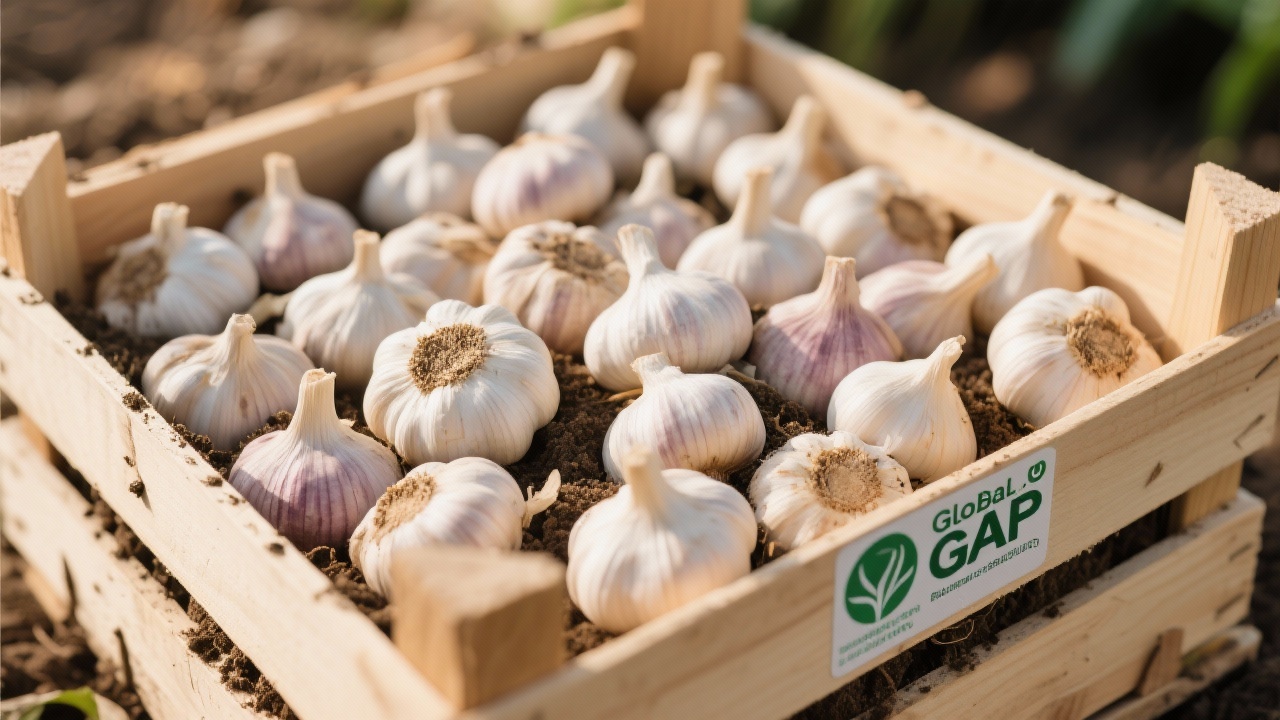
Real-time temperature monitoring data screen ensuring stable 10-13°C control Explore Our Advanced Ginger Packaging & Cold Chain Solutions
Recommended Products
Related Reading
配图_1767066014166.jpg
2026-01-16 | https://shmuker.oss-accelerate.aliyuncs.com/tmp/temporary/60ec5bd7f8d5a86c84ef79f2/60ec5bdcf8d5a86c84ef7a9a/20240305161110/eye.png 466 | https://shmuker.oss-accelerate.aliyuncs.com/tmp/temporary/60ec5bd7f8d5a86c84ef79f2/60ec5bdcf8d5a86c84ef7a9a/20240305160636/lable.png Fresh garlic bulb export packaging solutions Fresh garlic long - distance transportation preservation Advantages of vacuum - packed garlic Agricultural product supply chain management International - certified garlic export
配图_1767066009174.jpg
2026-01-27 | https://shmuker.oss-accelerate.aliyuncs.com/tmp/temporary/60ec5bd7f8d5a86c84ef79f2/60ec5bdcf8d5a86c84ef7a9a/20240305161110/eye.png 42 | https://shmuker.oss-accelerate.aliyuncs.com/tmp/temporary/60ec5bd7f8d5a86c84ef79f2/60ec5bdcf8d5a86c84ef7a9a/20240305160636/lable.png Export ginger cold chain Condensate - induced rot Stacking density management Ginger transportation temperature control Packaging material selection
配图_1767066017732.jpg
2026-01-18 | https://shmuker.oss-accelerate.aliyuncs.com/tmp/temporary/60ec5bd7f8d5a86c84ef79f2/60ec5bdcf8d5a86c84ef7a9a/20240305161110/eye.png 287 | https://shmuker.oss-accelerate.aliyuncs.com/tmp/temporary/60ec5bd7f8d5a86c84ef79f2/60ec5bdcf8d5a86c84ef7a9a/20240305160636/lable.png fresh garlic export HACCP certification Global GAP certification cold chain logistics food safety standards
配图_1767066006494.jpg
2026-01-13 | https://shmuker.oss-accelerate.aliyuncs.com/tmp/temporary/60ec5bd7f8d5a86c84ef79f2/60ec5bdcf8d5a86c84ef7a9a/20240305161110/eye.png 74 | https://shmuker.oss-accelerate.aliyuncs.com/tmp/temporary/60ec5bd7f8d5a86c84ef79f2/60ec5bdcf8d5a86c84ef7a9a/20240305160636/lable.png Fresh garlic mildew prevention Antiseptic packaging technology Supply chain management Temperature - controlled transportation Agricultural product certification
配图_1767066014166.jpg
2026-02-02 | https://shmuker.oss-accelerate.aliyuncs.com/tmp/temporary/60ec5bd7f8d5a86c84ef79f2/60ec5bdcf8d5a86c84ef7a9a/20240305161110/eye.png 182 | https://shmuker.oss-accelerate.aliyuncs.com/tmp/temporary/60ec5bd7f8d5a86c84ef79f2/60ec5bdcf8d5a86c84ef7a9a/20240305160636/lable.png ginger cold chain logistics export ginger temperature control cold storage for ginger temperature monitoring in food transport food safety in refrigerated shipping
Hot Products
Popular articles
Recommended Reading