Maintaining ginger freshness throughout long-distance international shipments remains a critical challenge in the global supply chain of fresh produce. Optimal temperature control, specifically between 10°C and 13°C, safeguards ginger’s quality, flavor, and shelf life during cold chain logistics. This article provides a detailed breakdown of the temperature management practices, packaging innovations, and monitoring technologies essential for exporters aiming to deliver premium fresh ginger efficiently and compliantly.
Fresh ginger is highly sensitive to temperature fluctuations. Temperatures below 10°C risk chilling injury causing surface blackening, while temperatures above 13°C accelerate microbial degradation and moisture loss. Studies indicate that maintaining a stable 10–13°C range can prolong shelf life by up to 21 days during transit, reducing spoilage rates by approximately 30% compared to ambient shipments.
| Temperature Range (°C) | Effect on Ginger Quality |
|---|---|
| Below 10 | Chilling injury, discoloration, texture damage |
| 10 - 13 | Optimal freshness preservation, minimized spoilage |
| Above 13 | Accelerated decay, microbial growth, moisture loss |
The cold chain logistics for ginger incorporate several pivotal steps to maintain the ideal temperature range from harvest to delivery:
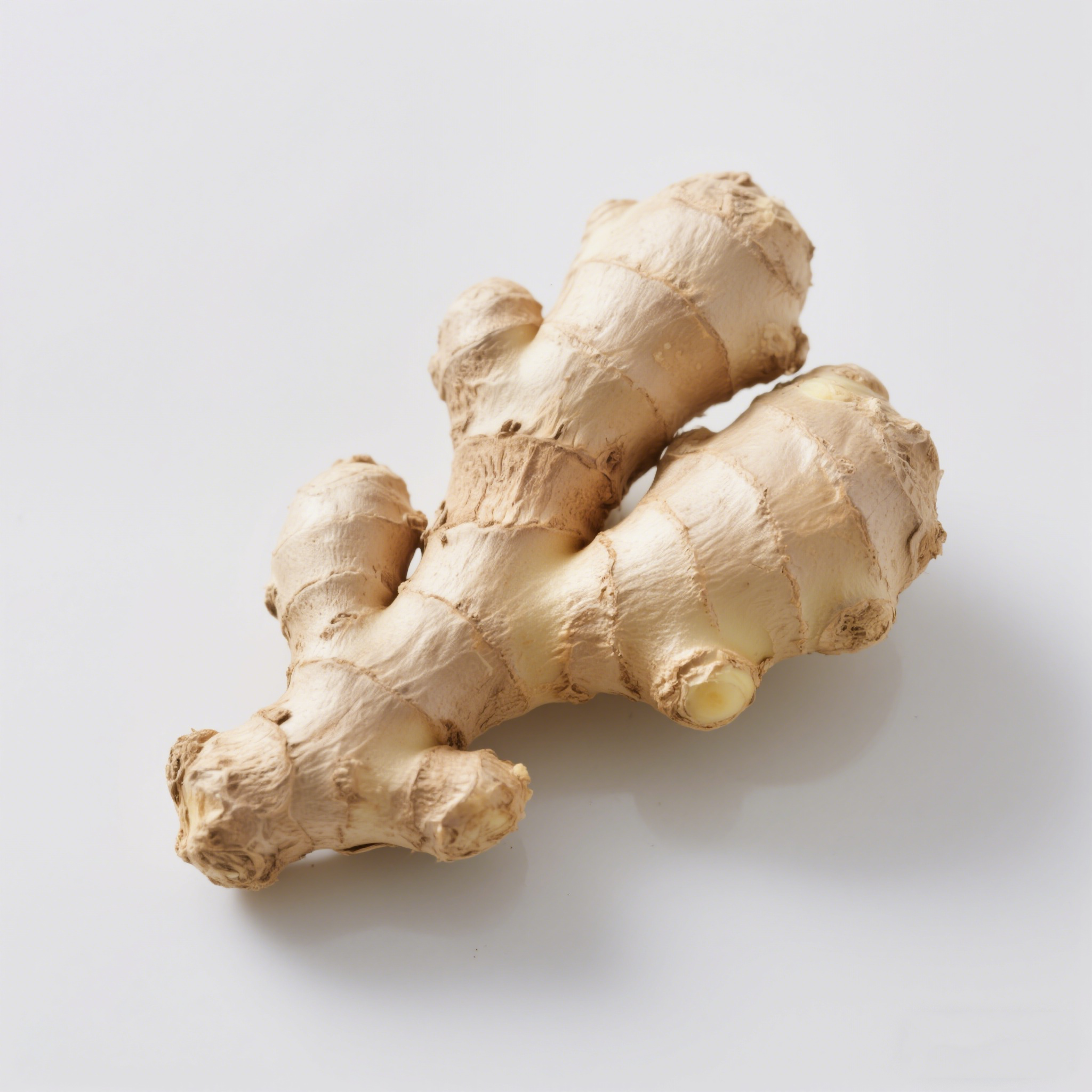
One of the predominant issues during cold chain transport is condensation, increasing the risk of mold and soft rot. To combat this, the industry increasingly relies on a dual-layer packaging approach:
We recommend this combined packaging solution, proven to improve shipping stability by reducing spoilage incidence by up to 25% during transcontinental sea freight of 30+ days.
Integrating digital temperature and humidity loggers is essential for validating the integrity of cold chain shipments. These devices should be placed strategically inside shipments to:
Additionally, coordinating with customs officials and ensuring GlobalGAP certificates and phytosanitary documents are accurately compiled facilitates smoother clearance and compliance audit processes.
“Adhering to the GlobalGAP standard not only ensures product safety but also strengthens buyer confidence, a critical factor in securing repeat international orders for fresh ginger exports.” — Industry Quality Guide
Efficient temperature management, innovative packaging, and comprehensive monitoring form the backbone of reliable export-grade ginger logistics. Stakeholders investing in these strategies can expect markedly improved quality retention, reduced losses, and enhanced market reputation.

 126
|
126
|
 fresh tomato export standards
lycopene nutritional benefits
processed tomato specifications
retail tomato quality criteria
international agri-supply chain
fresh tomato export standards
lycopene nutritional benefits
processed tomato specifications
retail tomato quality criteria
international agri-supply chain
 178
|
fresh garlic transportation
temperature humidity control
supply chain management
garlic quality preservation
logistics monitoring
178
|
fresh garlic transportation
temperature humidity control
supply chain management
garlic quality preservation
logistics monitoring