For exporters of fresh ginger to global markets—especially Europe, North America, and the Middle East—the temperature range of 10–13°C isn’t just a recommendation—it’s a non-negotiable benchmark for quality preservation. Studies from the University of California Davis show that maintaining this narrow band can extend shelf life by up to 40% compared to inconsistent cooling during transit.
Ginger is highly sensitive to both cold damage (below 7°C) and microbial growth (above 15°C). At 10–13°C, respiration rates slow significantly while ethylene production remains low—preventing premature sprouting and softening. This optimal zone also minimizes moisture loss without triggering condensation inside packaging—a major cause of spoilage in long-haul shipments.
Real-world impact: A shipment from Guangdong to Rotterdam that maintained consistent 11.5°C showed only 2.3% weight loss after 18 days versus 8.7% in a control group with fluctuating temps (source: China National Agricultural Products Import-Export Association).
Temperature stability must begin at the farm. Proper pre-cooling within 2 hours of harvest reduces internal heat load by up to 60%, making it easier to stabilize the container environment. During loading, avoid overpacking—maintain at least 5 cm between pallets and walls to ensure airflow.
A common mistake? Loading warm ginger directly into a refrigerated container. This causes rapid temperature spikes and condensation on surfaces—creating ideal conditions for mold and bacterial rot. Always pre-chill containers to 10°C before loading.
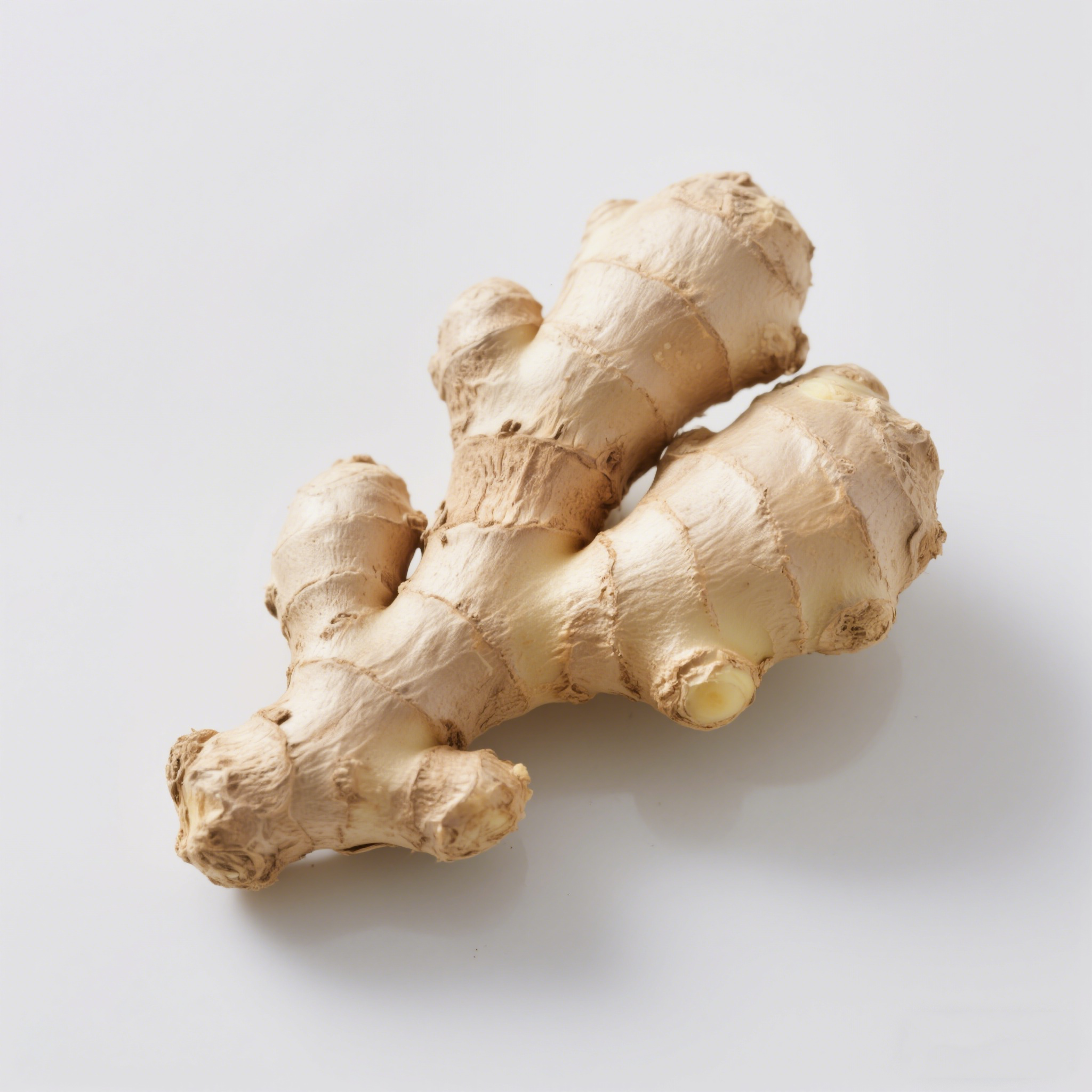
When warm ginger meets cold air, condensation forms instantly—especially if humidity exceeds 85%. This leads to localized wet spots where fungi like Aspergillus niger thrive. In one case study from Singapore, 30% of damaged units were traced back to poor stacking density—not poor refrigeration.
Solution: Use breathable films combined with desiccant pads in each carton. These materials absorb excess moisture without restricting gas exchange, keeping ginger dry yet respiring naturally.
Modern IoT-enabled temperature loggers provide real-time alerts when thresholds are breached. But many users miss the value of analyzing trends—not just peaks. For example, frequent minor fluctuations (e.g., ±1°C every 4 hours) may indicate inefficient insulation or door openings during transit.
Pro tip: Set up automated email reports from your logger. Share these with buyers as proof of compliance—this builds trust faster than any invoice.
Many export failures stem from mismatched documentation. If your temperature logs show 12°C but the Bill of Lading states “refrigerated cargo,” customs may flag the shipment—even if the product is fine. Always align your temperature records with the COO (Certificate of Origin), phytosanitary certificate, and commercial invoice.
This alignment isn't just about compliance—it's about credibility. Buyers want transparency. When you deliver precise data alongside your goods, you're not just selling ginger—you're selling confidence.
If you’re serious about exporting premium ginger globally, it’s time to treat temperature management like a core competency—not an afterthought. Whether you're working with third-party carriers or managing your own fleet, consistency in the 10–13°C range will make your products stand out in crowded international markets.
Discover how our breathable film + moisture-absorbing pad system helps maintain ideal humidity levels throughout the journey.
Explore Advanced Packaging for Export Ginger
 160
|
160
|
 Garlic powder production process
Garlic paste making process
Garlic sauce processing technology
Overseas foodservice garlic application
Garlic processing food safety
Garlic powder production process
Garlic paste making process
Garlic sauce processing technology
Overseas foodservice garlic application
Garlic processing food safety
 203
|
fresh garlic preservation packaging
vacuum packaging vs mesh bag
garlic transportation technology
agricultural supply chain management
international food certification
203
|
fresh garlic preservation packaging
vacuum packaging vs mesh bag
garlic transportation technology
agricultural supply chain management
international food certification
 79
|
fresh garlic export
Global GAP certification
HACCP certification
supply chain management
cold chain logistics
79
|
fresh garlic export
Global GAP certification
HACCP certification
supply chain management
cold chain logistics
 74
|
Fresh garlic mildew prevention
Antiseptic packaging technology
Supply chain management
Temperature - controlled transportation
Agricultural product certification
362
|
garlic processing technology
garlic powder aroma retention
food export quality control
drying temperature management
garlic flavor stabilization
74
|
Fresh garlic mildew prevention
Antiseptic packaging technology
Supply chain management
Temperature - controlled transportation
Agricultural product certification
362
|
garlic processing technology
garlic powder aroma retention
food export quality control
drying temperature management
garlic flavor stabilization