When exporting fresh ginger to international markets—especially to Europe, the U.S., or the Middle East—maintaining a consistent temperature between 10–13°C isn’t just best practice—it’s a non-negotiable requirement for quality assurance. Studies from the International Journal of Refrigeration show that ginger stored outside this range experiences up to a 30% faster loss in pungency (gingerol content) and increased fiber degradation, leading to reduced shelf life and buyer complaints.
The journey begins at harvest. Without immediate pre-cooling within 2 hours post-harvest, internal temperatures can rise above 15°C, triggering enzymatic activity that breaks down texture. A case study from a major Chinese exporter shows that skipping pre-cooling resulted in a 40% higher spoilage rate during sea freight.
Once cooled, ginger must be loaded into refrigerated containers set precisely to 12°C ± 0.5°C. Overloading or improper stacking creates hot spots—up to 5°C warmer than ambient—leading to condensation and mold growth. Our team recommends using stacking guides with airflow gaps every 15 cm to ensure even cooling throughout the load.
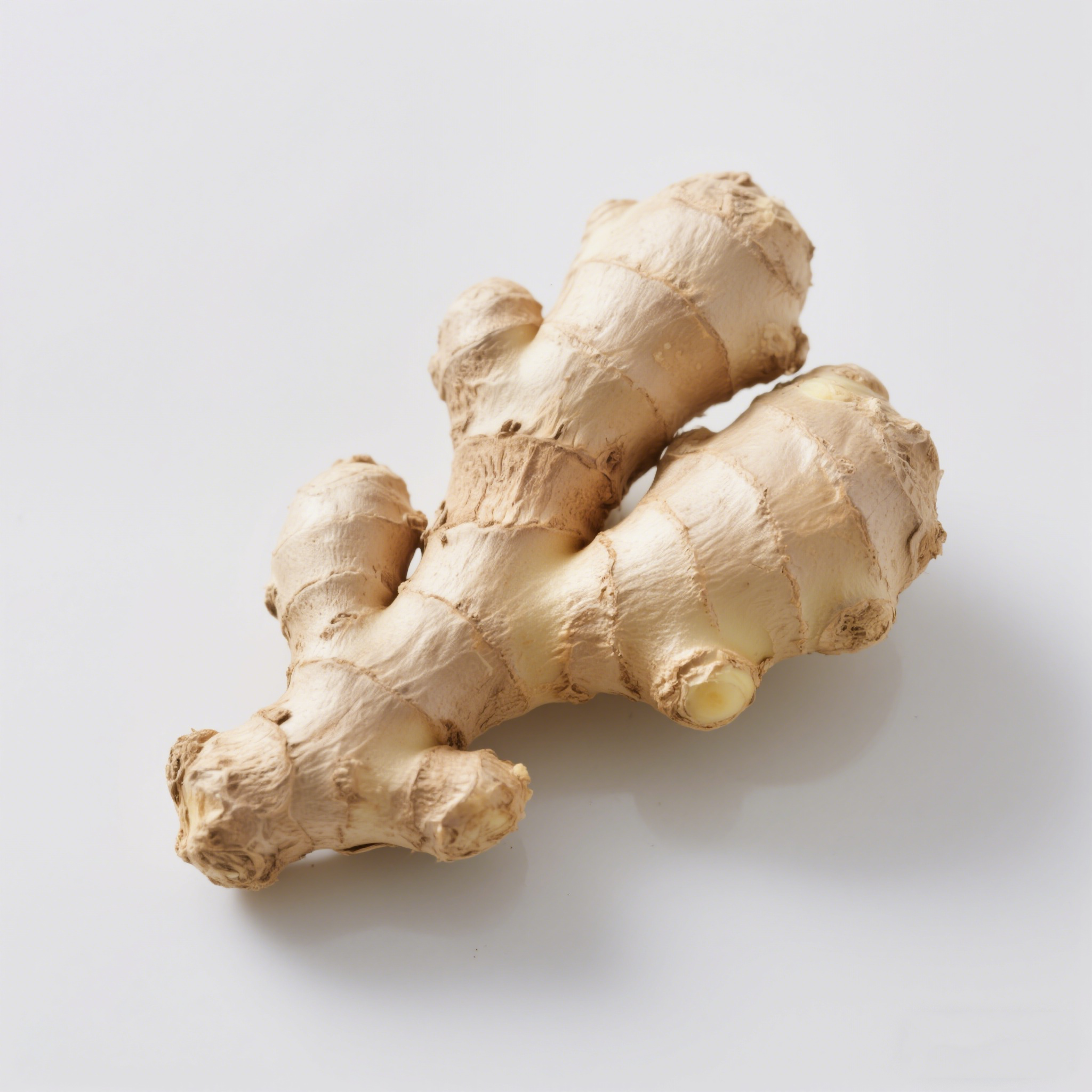
Even with perfect temperature control, moisture buildup remains a hidden threat. Traditional plastic wrap traps humidity, causing cold water droplets on the surface—ideal conditions for microbial growth. We’ve seen clients reduce post-arrival damage by over 60% after switching to our custom packaging solution: breathable polyethylene film + silica gel pads.
This combination allows controlled gas exchange while absorbing excess moisture. In one test conducted in collaboration with a German importer, samples packaged this way maintained crispness for 21 days versus only 14 days with standard wrapping—well beyond typical transit times.
“According to GlobalG.A.P. Standard Clause 7.4.2, all perishable produce must be transported under continuous monitoring of temperature and humidity to prevent quality deterioration.” — GlobalG.A.P. Manual 2023
Don’t rely on assumptions—track it. Using digital temperature loggers like those compliant with HACCP guidelines (e.g., ThermoWorks or Sensitech), exporters can capture real-time data every 15 minutes. This isn’t just for compliance—it builds trust. One client reported that sharing these logs with their UAE buyer led to a 25% increase in repeat orders due to transparency.
For optimal results, upload your log files alongside the Certificate of Origin and Phytosanitary Certificate when clearing customs. This seamless integration ensures no delays and demonstrates your commitment to food safety standards across borders.
Our tailored packaging system has already supported dozens of successful international shipments—from South Korea to Saudi Arabia. Let us help you meet global expectations without compromise.
Get Your Customized Cold Chain Plan Now
 313
|
313
|
 Garlic paste export challenges
Flavor stability solutions
Garlic processing technology
Food export compliance standards
HACCP certification application
Garlic paste export challenges
Flavor stability solutions
Garlic processing technology
Food export compliance standards
HACCP certification application
 349
|
fresh garlic supply chain management
temperature and humidity control in garlic transport
garlic export logistics
food safety certification HACCP
agricultural cold chain optimization
349
|
fresh garlic supply chain management
temperature and humidity control in garlic transport
garlic export logistics
food safety certification HACCP
agricultural cold chain optimization
 89
|
fresh garlic packaging
vacuum packaging garlic
net bag packaging
garlic shelf life extension
food supply chain management
89
|
fresh garlic packaging
vacuum packaging garlic
net bag packaging
garlic shelf life extension
food supply chain management
 79
|
fresh garlic export
Global GAP certification
HACCP certification
supply chain management
cold chain logistics
79
|
fresh garlic export
Global GAP certification
HACCP certification
supply chain management
cold chain logistics
 204
|
ginger export cold chain
condensation prevention in refrigerated transport
ginger temperature control
breathable packaging for ginger
temperature humidity monitoring
204
|
ginger export cold chain
condensation prevention in refrigerated transport
ginger temperature control
breathable packaging for ginger
temperature humidity monitoring