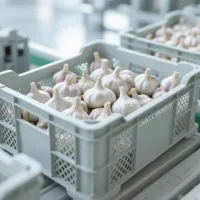
In the global trade of ginger, maintaining the quality of the product during transportation is crucial. Scientific research has shown that keeping the temperature of ginger within the range of 10 - 13°C can significantly reduce the risk of spoilage and maintain its freshness and flavor. For example, studies have indicated that when the temperature is within this range, the respiration rate of ginger can be effectively controlled, reducing the loss of nutrients and moisture.
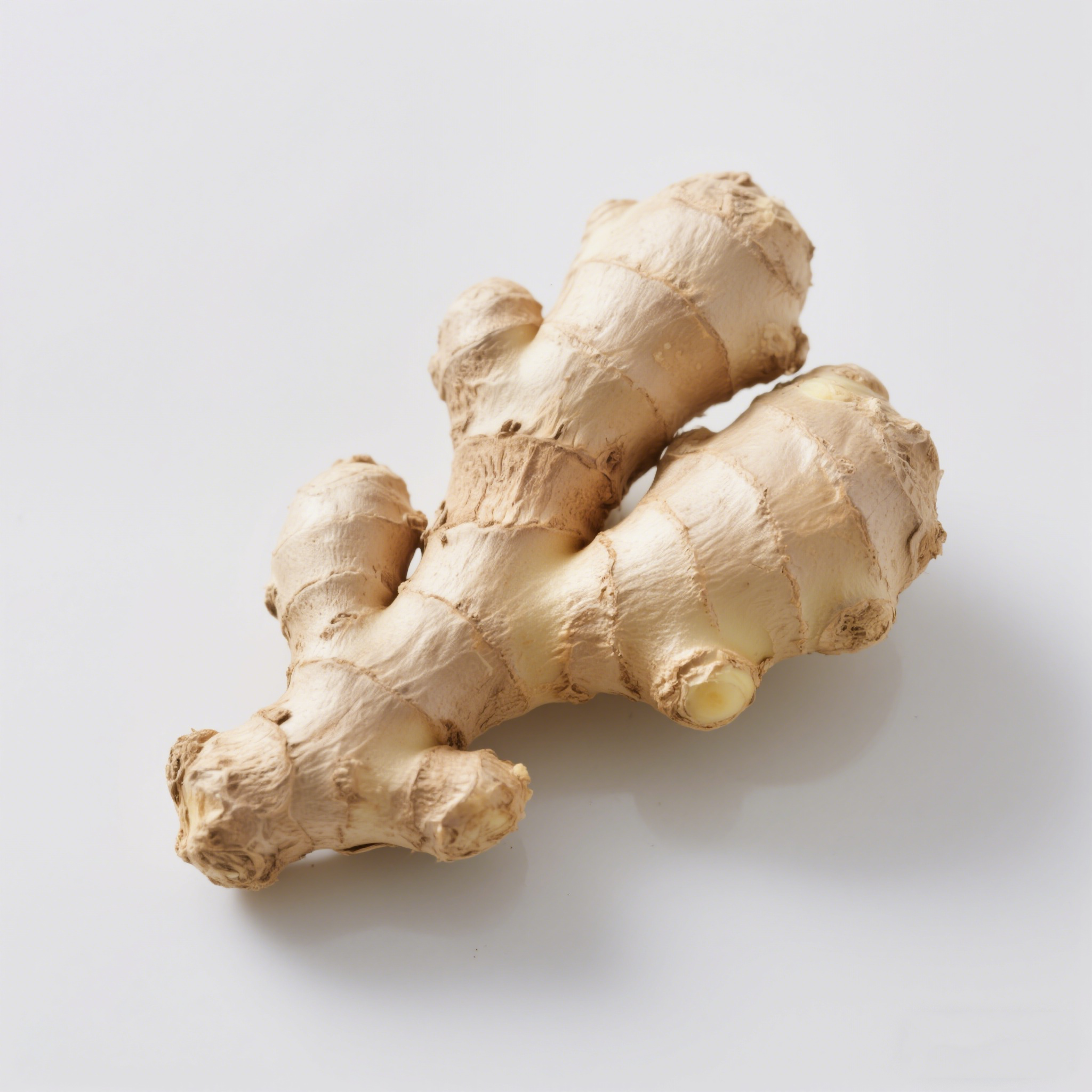
The cold - chain transportation of ginger starts from the pre - cooling at the origin. The ginger should be rapidly cooled to the appropriate temperature before loading. Generally, it is recommended to pre - cool the ginger to 10 - 13°C within 24 hours after harvest. During the loading process, strict temperature control is also necessary. The temperature inside the container should be checked and adjusted to ensure it is within the target range. Once the transportation begins, continuous monitoring is essential. Modern temperature - monitoring systems can provide real - time data, allowing logistics personnel to take timely measures if any temperature deviations occur.
When it comes to the unloading process, it is important to minimize the time that the ginger is exposed to the outside environment. In a real - world case, a logistics company once failed to control the unloading time properly, resulting in a temperature increase of the ginger by 3 - 5°C, which led to a certain degree of spoilage.
Two common problems in ginger cold - chain transportation are the formation of condensate and improper stacking density. Condensate can form when there is a significant temperature difference between the ginger and the surrounding air. This can create a humid environment, promoting the growth of mold and bacteria. To solve this problem, proper ventilation and insulation measures can be taken. For example, using breathable packaging materials can help reduce the humidity inside the container.
Improper stacking density can also affect the temperature distribution. If the ginger is stacked too tightly, heat dissipation will be difficult, leading to local overheating. On the contrary, if the stacking is too loose, the utilization rate of the container space will be low. Therefore, a reasonable stacking density should be determined based on the size and shape of the ginger and the characteristics of the container.
Choosing the right packaging materials is an important part of temperature control. For ginger, a combination of breathable films and moisture - absorbing pads is a good choice. The breathable film allows air circulation, reducing the risk of condensate formation, while the moisture - absorbing pad can absorb excess moisture. When selecting these materials, factors such as permeability, moisture - absorption capacity, and cost - effectiveness should be considered.
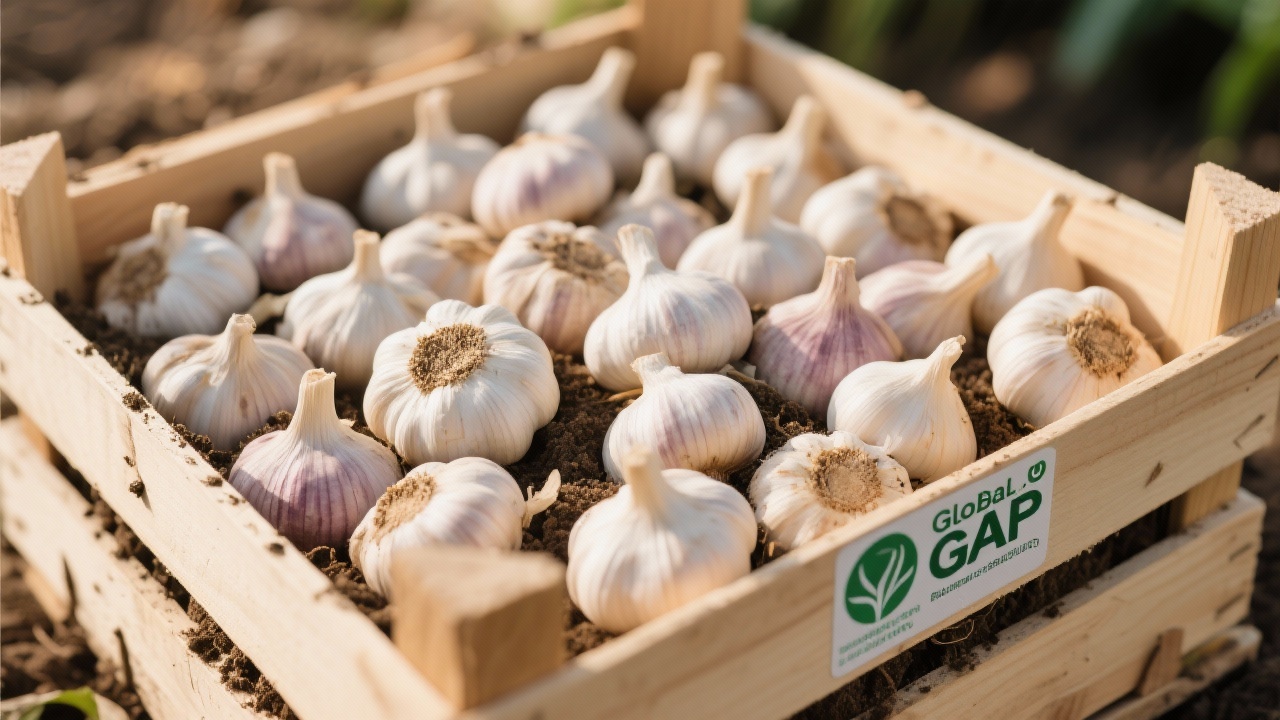
Temperature and humidity recorders play a vital role in cold - chain transportation. They can accurately record the temperature and humidity changes during the entire process. Operators should be familiar with the operation specifications of these recorders, such as setting the recording interval and downloading the data. By analyzing the data, potential problems can be identified in advance, and corresponding measures can be taken.
In addition to the above aspects, coordinating with customs clearance documents is also necessary. The temperature - control records and other relevant information should be clearly presented in the documents to ensure a smooth customs - clearance process. This can avoid unnecessary delays and losses.
If you are an exporter or a logistics company involved in ginger trade, our advanced temperature - control solutions and packaging materials can help you optimize your supply chain. Click here to learn more!
 349
|
349
|
 fresh garlic supply chain management
temperature and humidity control in garlic transport
garlic export logistics
food safety certification HACCP
agricultural cold chain optimization
fresh garlic supply chain management
temperature and humidity control in garlic transport
garlic export logistics
food safety certification HACCP
agricultural cold chain optimization
 466
|
Fresh garlic bulb export packaging solutions
Fresh garlic long - distance transportation preservation
Advantages of vacuum - packed garlic
Agricultural product supply chain management
International - certified garlic export
466
|
Fresh garlic bulb export packaging solutions
Fresh garlic long - distance transportation preservation
Advantages of vacuum - packed garlic
Agricultural product supply chain management
International - certified garlic export
 63
|
fresh garlic export preservation
cold chain logistics management
garlic packaging solutions
agricultural supply chain quality control
international certification standards
63
|
fresh garlic export preservation
cold chain logistics management
garlic packaging solutions
agricultural supply chain quality control
international certification standards
 89
|
fresh garlic packaging
vacuum packaging garlic
net bag packaging
garlic shelf life extension
food supply chain management
286
|
fresh garlic quality control
fresh garlic supply chain management
fresh garlic long - distance transportation
agricultural green cultivation
fresh garlic international certification
89
|
fresh garlic packaging
vacuum packaging garlic
net bag packaging
garlic shelf life extension
food supply chain management
286
|
fresh garlic quality control
fresh garlic supply chain management
fresh garlic long - distance transportation
agricultural green cultivation
fresh garlic international certification