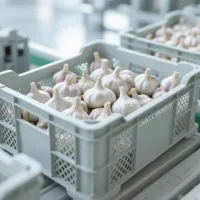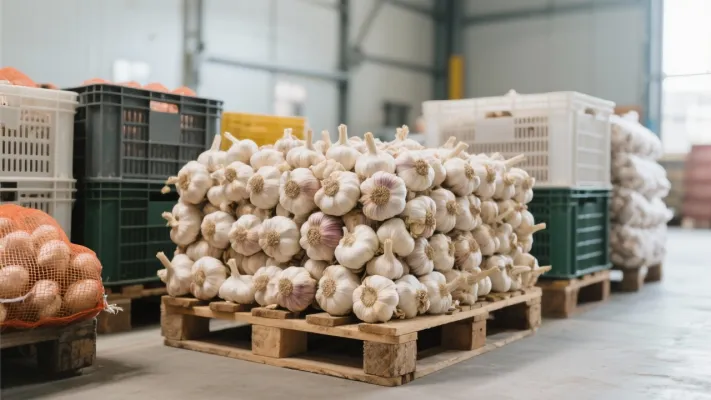
Maintaining cucumber freshness throughout the cold chain is pivotal for exporters and supply chain managers aiming for optimal quality retention. This guide dives into the scientific principles behind temperature control within the 8-12°C range, crucial humidity management, and packaging impacts that collectively enable extending cucumber shelf life beyond 20 days. By analyzing real-world export logistics and offering actionable strategies, industry professionals can enhance decision-making and cold chain reliability.
Cucumbers are highly perishable and sensitive to temperature fluctuations, which accelerate enzymatic activity and decay. A stable cold chain minimizes respiration rates and moisture loss, preventing softening, discoloration, and mold growth. Studies show that inconsistent temperature exposure as minor as ±3°C significantly shortens shelf life and increases post-harvest losses by up to 30%. Thus, a tightly monitored cold chain is foundational for maintaining product integrity during long-distance export.
Comprehensive experiments confirm that 8-12°C is the optimal temperature interval for cucumber storage, balancing metabolic suppression and chilling injury risk. Temperatures below 8°C often cause cold damage symptoms such as pitting and uneven ripening, while temperatures above 12°C accelerate degradation processes.
“According to Global GAP certification standards, maintaining a consistent temperature in the 8-12°C range reduces respiration rates by approximately 40% compared to ambient conditions, directly impacting shelf life extension.”
Relative humidity (RH) between 85% and 95% creates an ideal microenvironment limiting cucumbers’ water loss, maintaining firmness and weight. This range also suppresses mold and pathogen development, which thrive under both high condensation (>95%) and dry (<80%) settings. Effective humidity management is achievable via humidity-controlled refrigerated units equipped with fine misting systems or desiccant absorbers.
Packaging design plays a strategic role in cold chain performance. Comparing cardboard boxes and plastic pallets reveals distinct pros and cons:
Combining breathable paper liners with ventilated plastic pallets maximizes ventilation while preserving cold retention efficiency, reducing temperature variation inside shipments by up to 1.5°C.
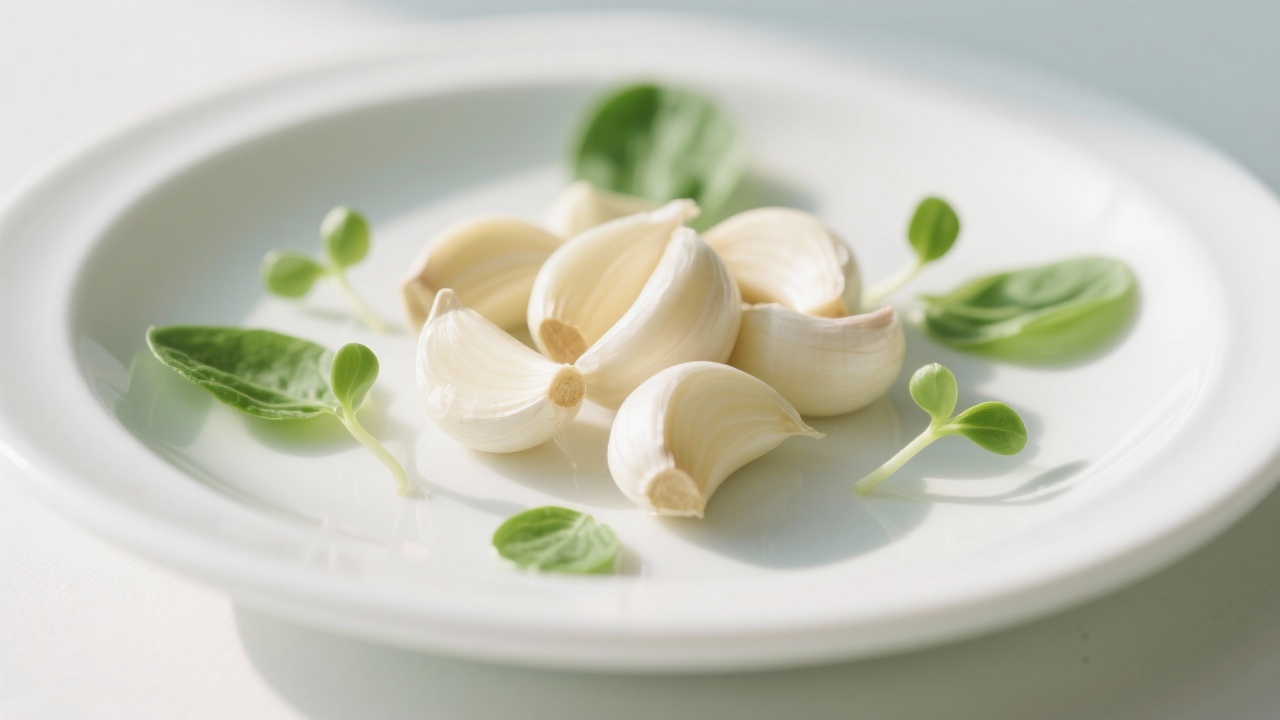
A recent export case from field harvest in Mexico to European retail highlights key cold chain nodes:
The application of temperature-sensitive labels on each package allowed real-time verification of cold chain integrity, resulting in less than 5% quality degradation upon arrival, outperforming industry averages of 12-15%.
Adopting advanced monitoring tools is essential to validate and optimize cold chain performance:
Incorporating these technologies correlates with a 25% reduction in cold chain failures, thereby directly contributing to extended produce freshness and reduced waste.
Have questions about optimizing your cucumber cold chain? Leave a comment below to connect with our experts.

 313
|
313
|
 Garlic paste export challenges
Flavor stability solutions
Garlic processing technology
Food export compliance standards
HACCP certification application
Garlic paste export challenges
Flavor stability solutions
Garlic processing technology
Food export compliance standards
HACCP certification application
 437
|
Export ginger cold chain
Temperature and humidity monitoring
Cold - chain logistics management
Ginger transportation temperature control
Temperature and humidity recorder usage
437
|
Export ginger cold chain
Temperature and humidity monitoring
Cold - chain logistics management
Ginger transportation temperature control
Temperature and humidity recorder usage
 79
|
fresh garlic export
Global GAP certification
HACCP certification
supply chain management
cold chain logistics
79
|
fresh garlic export
Global GAP certification
HACCP certification
supply chain management
cold chain logistics
 255
|
export ginger cold chain transport
ginger temperature management
fresh produce cold chain logistics
breathable packaging for ginger
GlobalGAP export standards
362
|
garlic processing technology
garlic powder aroma retention
food export quality control
drying temperature management
garlic flavor stabilization
255
|
export ginger cold chain transport
ginger temperature management
fresh produce cold chain logistics
breathable packaging for ginger
GlobalGAP export standards
362
|
garlic processing technology
garlic powder aroma retention
food export quality control
drying temperature management
garlic flavor stabilization