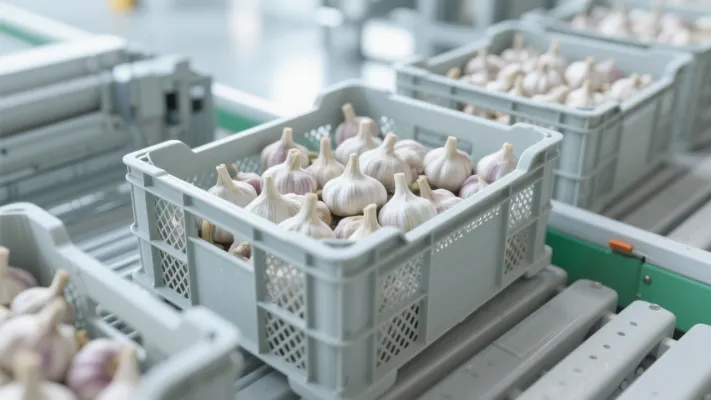
Fresh garlic bulbs are highly sought - after in the international market. However, long - distance transportation poses significant challenges to maintaining their quality. This article delves into the key aspects of fresh garlic bulb preservation during long - distance shipping, offering practical solutions for procurement managers and supply chain experts.
After harvesting, proper physical treatment is crucial for fresh garlic bulbs. First, the bulbs should be cleaned to remove dirt and debris. A gentle water rinse can effectively clean the surface without damaging the garlic. Then, they need to be air - dried. This process usually takes about 2 - 3 days under well - ventilated conditions at a temperature of around 20 - 25°C. Finally, sorting is necessary to separate damaged or diseased bulbs from the healthy ones. This step can significantly reduce the risk of spoilage during transportation.
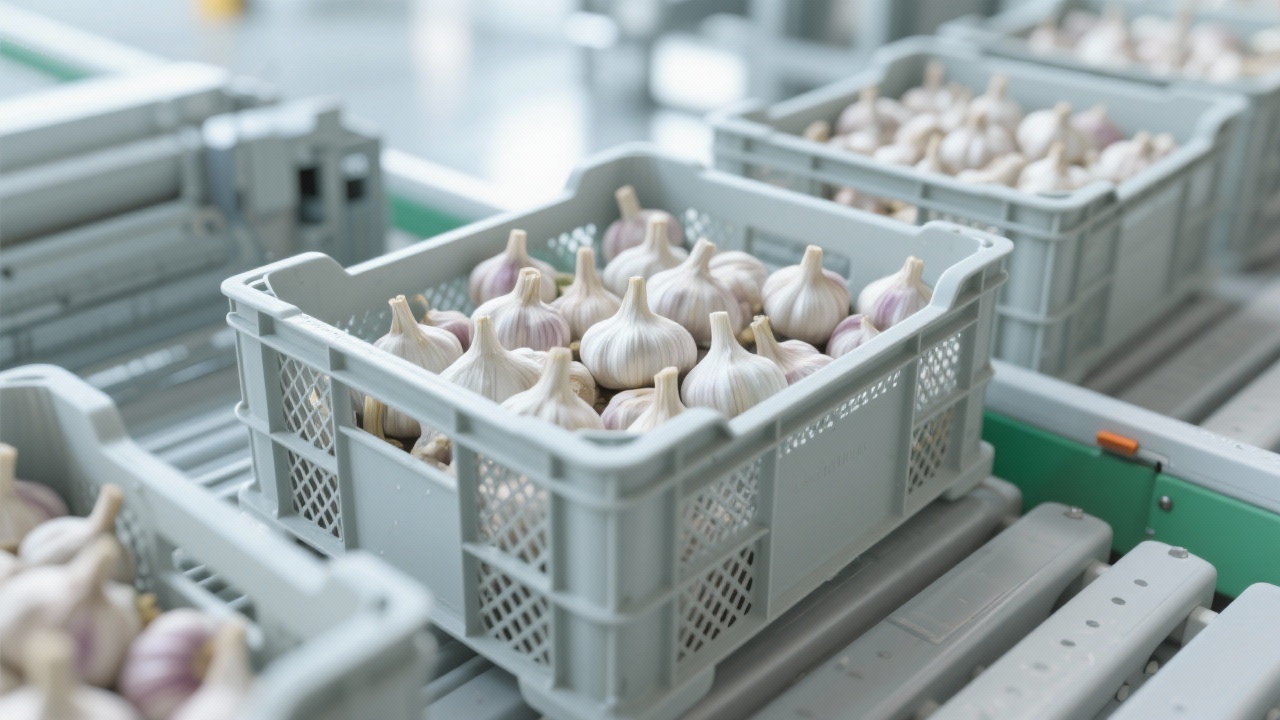
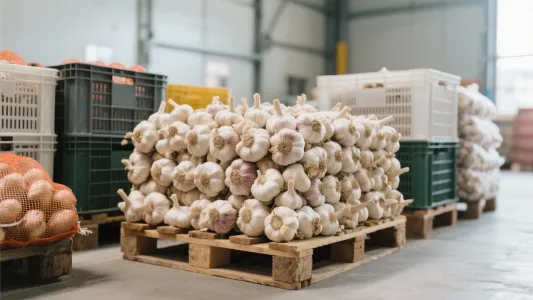
The choice of packaging can greatly affect the preservation of fresh garlic bulbs. Two common packaging forms are mesh bags and vacuum packaging.
| Packaging Type | Advantages | Disadvantages |
|---|---|---|
| Mesh Bags | Good ventilation, allowing moisture to escape, which helps prevent mold growth. Low cost and easy to handle. | Less protection against physical damage and may not be suitable for long - term storage in high - humidity environments. |
| Vacuum Packaging | Reduces oxygen exposure, which can slow down the respiration rate of garlic bulbs, delaying sprouting and maintaining flavor. Provides better protection against physical damage. | Higher cost, and improper vacuuming may cause damage to the bulbs. |
Maintaining the right temperature and humidity is essential for fresh garlic bulb preservation. The ideal temperature for transporting fresh garlic bulbs is between 0 - 5°C, and the relative humidity should be around 60 - 70%. Advanced monitoring systems can be used to track temperature and humidity in real - time during transportation. If the temperature or humidity goes out of the ideal range, automatic adjustment mechanisms can be activated to ensure the quality of the garlic bulbs.
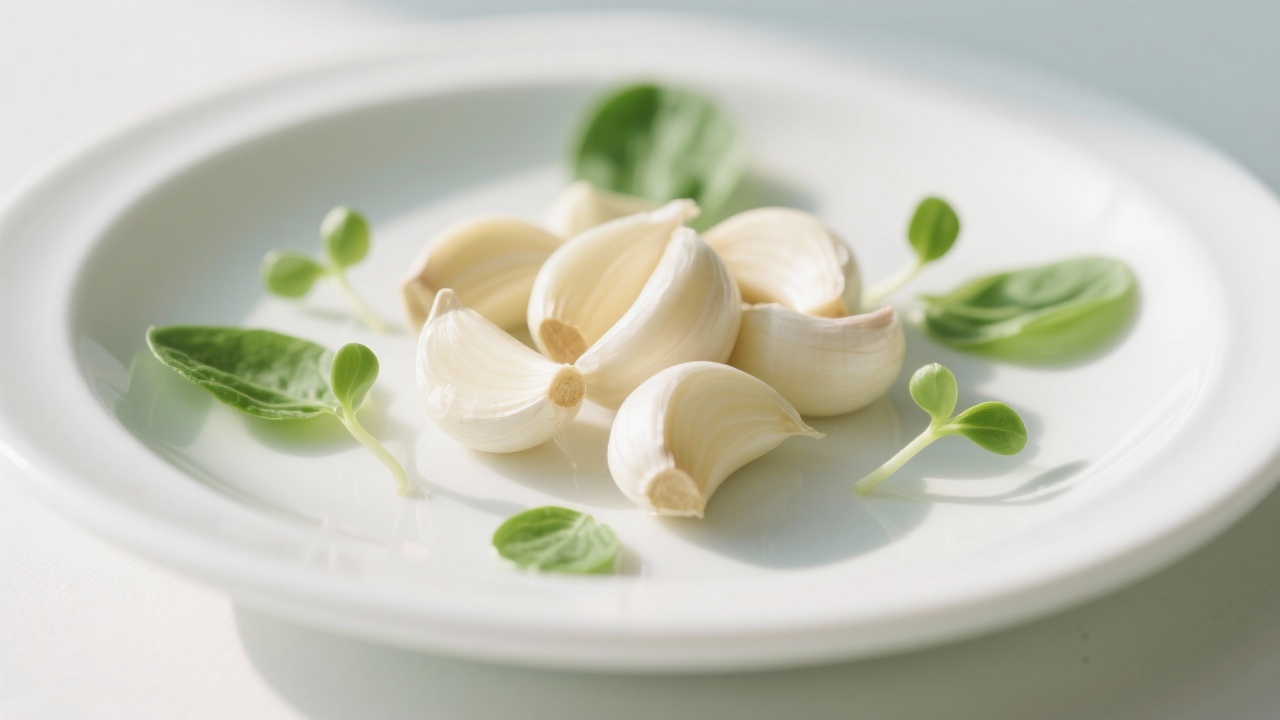
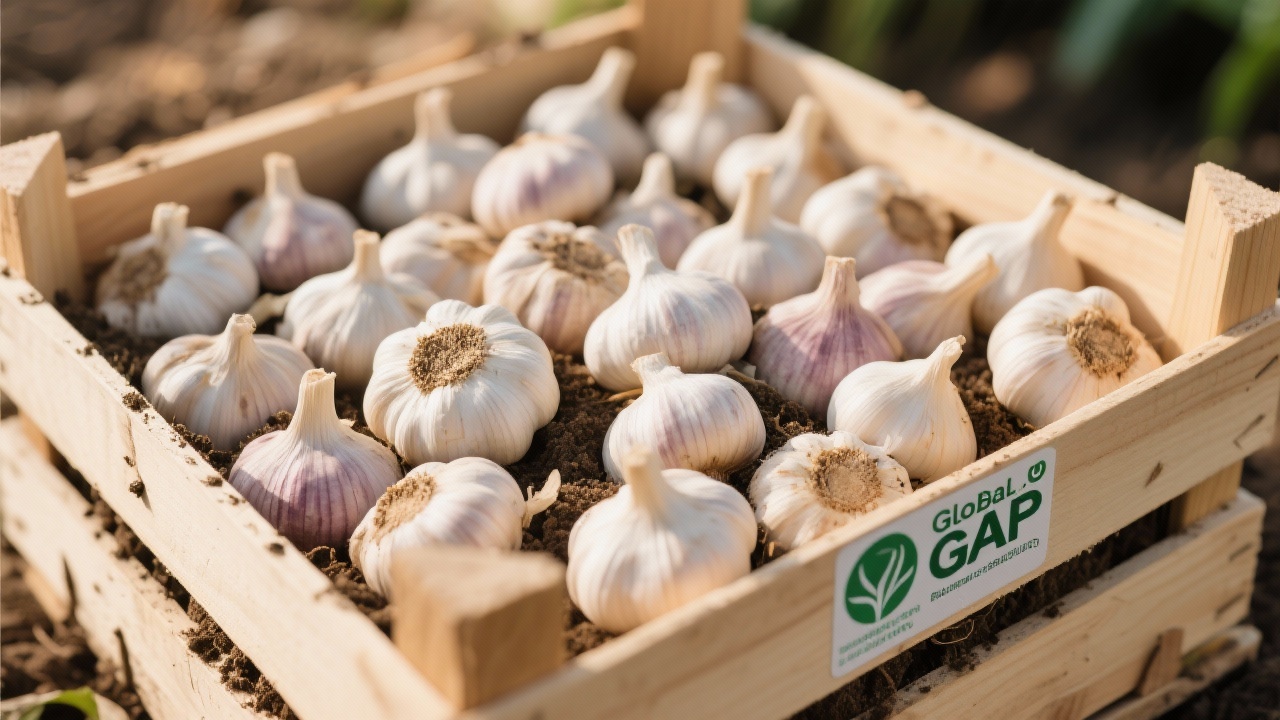
Green planting practices, such as using organic fertilizers and natural pest control methods, can improve the quality and safety of fresh garlic bulbs. Third - party testing reports, like those from SGS, are crucial for meeting international compliance standards. These reports can prove that the garlic bulbs meet the requirements of Global GAP, HACCP, and other international certifications, enhancing customer confidence and market competitiveness.
Common problems in fresh garlic bulb transportation include sprouting due to moisture and loss of aroma. To prevent sprouting, proper drying and temperature control are essential. For aroma loss, vacuum packaging and low - temperature transportation can help preserve the flavor. By implementing these solutions, the quality of fresh garlic bulbs can be effectively maintained during long - distance transportation.
To learn more about fresh garlic bulb preservation solutions, visit our technical whitepaper.

 158
|
158
|
 Garlic powder production process
Garlic paste making process
Garlic sauce processing technology
Overseas foodservice garlic application
Garlic processing food safety
178
|
fresh garlic transportation
temperature humidity control
supply chain management
garlic quality preservation
logistics monitoring
429
|
garlic moisture control
vacuum packaging for garlic
deoxidizer application
long-distance garlic preservation
fresh garlic packaging technology
Garlic powder production process
Garlic paste making process
Garlic sauce processing technology
Overseas foodservice garlic application
Garlic processing food safety
178
|
fresh garlic transportation
temperature humidity control
supply chain management
garlic quality preservation
logistics monitoring
429
|
garlic moisture control
vacuum packaging for garlic
deoxidizer application
long-distance garlic preservation
fresh garlic packaging technology
 341
|
Fresh garlic bulb transportation
Mildew prevention technology
Post - harvest treatment
Packaging solutions
Supply chain quality management
362
|
garlic processing technology
garlic powder aroma retention
food export quality control
drying temperature management
garlic flavor stabilization
341
|
Fresh garlic bulb transportation
Mildew prevention technology
Post - harvest treatment
Packaging solutions
Supply chain quality management
362
|
garlic processing technology
garlic powder aroma retention
food export quality control
drying temperature management
garlic flavor stabilization