Enhancing Fresh Garlic Export Quality Standards through Global GAP and HACCP Certification

2026-01-12
Fenglv Agricultural Products
Industry Research
This article provides an in-depth analysis of how Global GAP and HACCP certifications can significantly improve the quality standards of fresh garlic exports. It covers the entire supply chain management process, emphasizing sustainable cultivation, post-harvest handling, optimal packaging solutions, and advanced temperature and humidity monitoring technologies to maintain product freshness during long-distance transportation. The article highlights the importance of third-party testing aligned with international certification requirements to ensure compliance with global market standards. Designed for procurement managers, logistics experts, and supply chain leaders, it offers practical guidance to elevate international competitiveness and maximize customer satisfaction.
配图_1767066003729.jpg

Enhancing Fresh Garlic Export Quality Through Global GAP and HACCP Certification

In the increasingly competitive fresh garlic export market, meeting stringent international quality standards is essential for sustainable growth. This article explores how leveraging Global GAP and HACCP certifications can significantly elevate product quality and safety, ensuring compliance with global buyer expectations.
From cultivation practices to post-harvest handling and advanced logistics control, we detail practical strategies that guarantee fresh garlic maintains its integrity throughout long-distance transportation.

1. Addressing Quality Challenges in Fresh Garlic Export

Fresh garlic faces multiple quality challenges during export, including microbial contamination, spoilage, and flavor degradation. These issues often stem from inconsistent agricultural inputs and inadequate post-harvest management. To tackle these, exporters must implement comprehensive control from farm to fork, starting with rigorous green agricultural practices.

2. Implementing Green Cultivation with Global GAP Standards

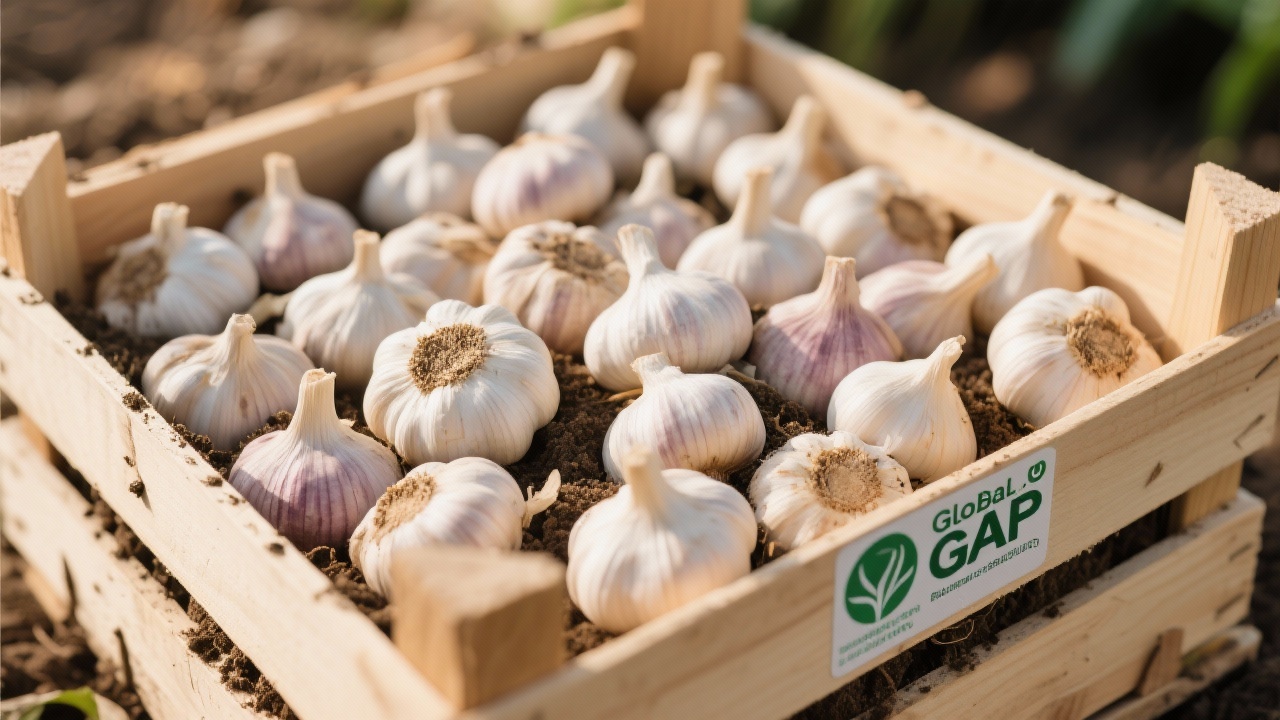
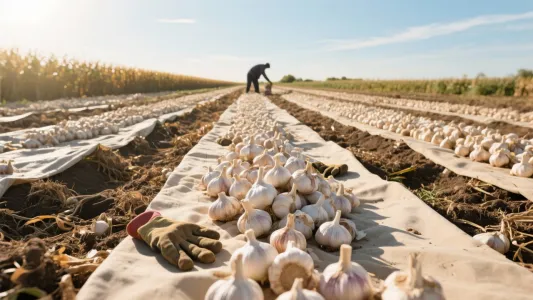
Global GAP certification sets a benchmark for sustainable farming that minimizes chemical residues, safeguards soil health, and controls pesticide use. For fresh garlic:

  • Strict documentation of fertilizer and pesticide application prevents harmful residue exceeding 0.01 mg/kg, meeting EU Maximum Residue Limits (MRLs).
  • Crop rotation and organic soil amendments enhance bulb quality and disease resistance.
  • Water usage monitoring limits contamination by pathogens in irrigation.

By adhering to Global GAP principles, exporters create a solid foundation for food safety and environmental responsibility, prized assets in discerning markets like North America and Europe.

3. Post-Harvest: Cleaning, Drying, and Sorting

Once harvested, fresh garlic requires meticulous post-harvest handling to prevent spore growth and internal decay:

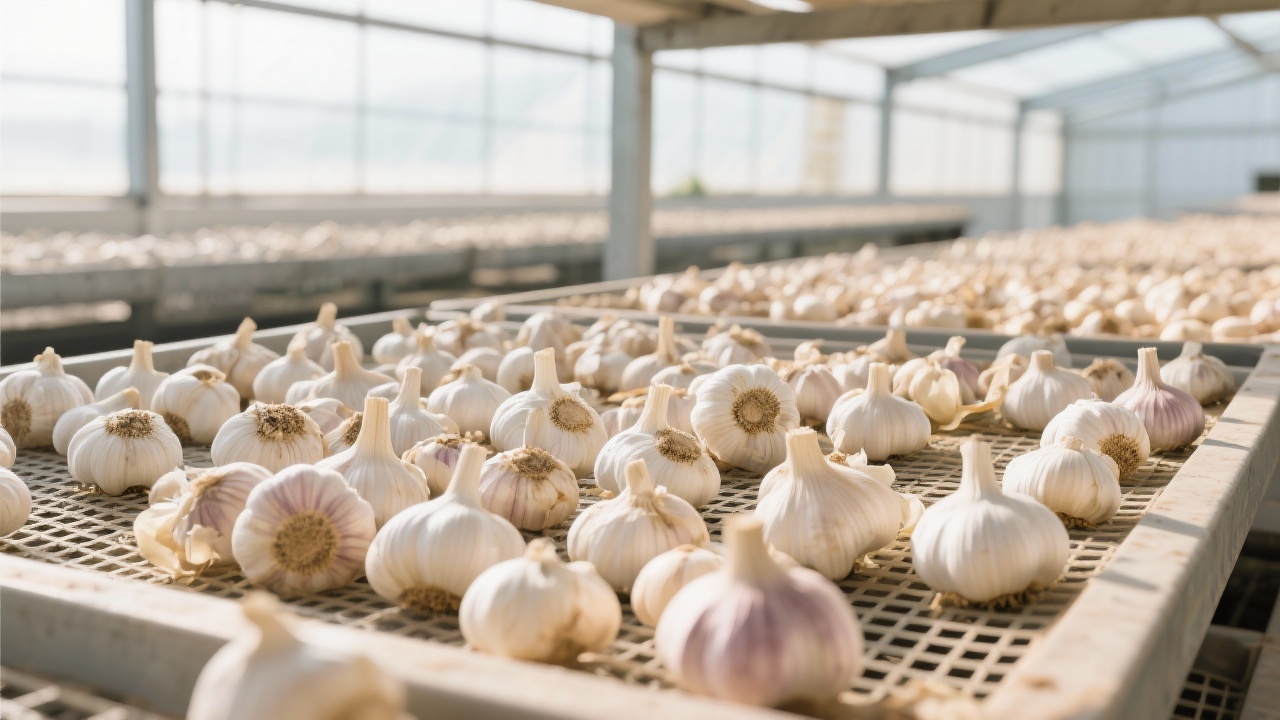
  1. Cleaning: Thorough washing with potable water removes soil and external fungi without damaging the bulb skin.
  2. Natural air drying: Controlled ambient drying at 20-25°C and humidity below 70% prevents mold growth and maintains firmness.
  3. Sorting & grading: Automated visual sorting eliminates undersized or bruised bulbs, ensuring uniform quality grades aligned with buyer specifications.

4. Choosing Optimal Packaging Solutions

Packaging plays a critical role in extending fresh garlic shelf life by balancing respiration and moisture control:

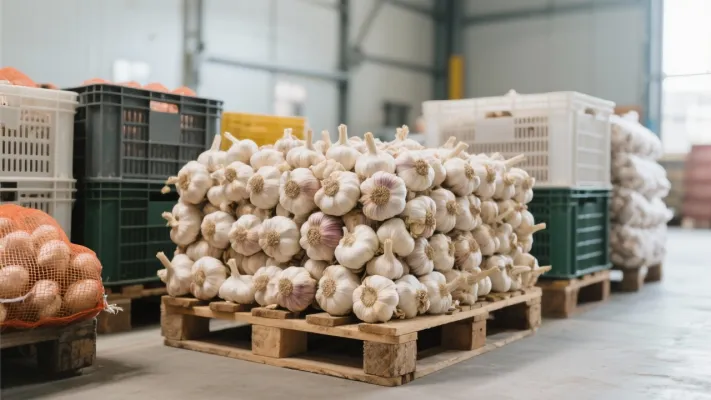
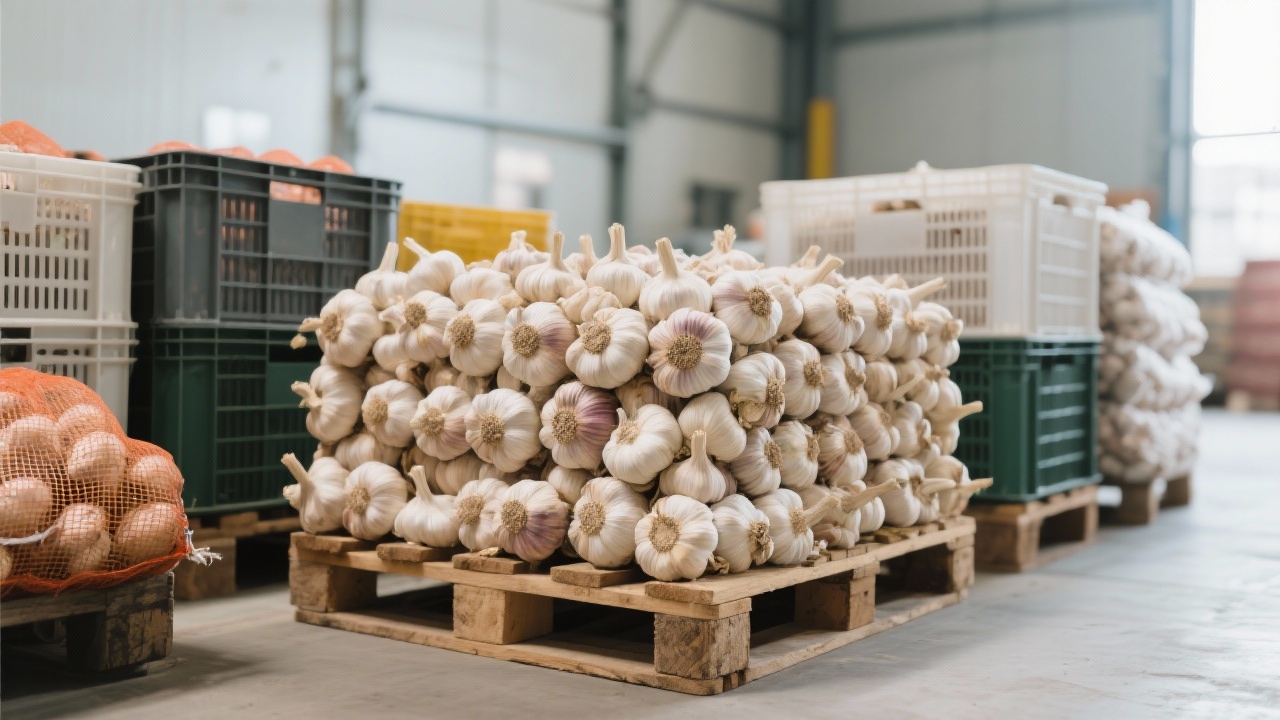
  • Mesh bags with interlayer ventilated trays: Allow airflow to reduce condensation and inhibit bacterial growth during transport.
  • Vacuum packaging: Removes oxygen to slow oxidative degradation and microbial activity but requires cold-chain to avoid anaerobic spoilage.

Exporters often customize packaging forms based on destination market logistics and shelf life requirements.
配图_1767066003729.jpg

5. Advanced Temperature and Humidity Monitoring in Logistics

Maintaining the cold chain is vital for fresh garlic preservation during overseas shipment. Implementing IoT-enabled sensors enables real-time tracking of:

  • Temperature: Keeping continuous 0-4°C controls enzymatic activity and delays sprouting.
  • Humidity: Maintaining 65-70% relative humidity avoids dehydration without promoting mold.
  • Shock and vibration: Reducing mechanical damage that accelerates decay.

Cloud-based dashboards empower logistics managers with actionable alerts, reducing spoilage rates by up to 20% compared to conventional monitoring.
配图_1767066012068.jpg

6. Compliance with HACCP: Food Safety from Farm to Consumer

The Hazard Analysis Critical Control Point (HACCP) system mandates preventive controls against biological, chemical, and physical hazards across the supply chain:

  • Hazard identification: Recognizing contamination risks during growing, harvesting, processing, and packing.
  • Critical control points: Defining temperature checkpoints and sanitation requirements at washing and packing stages.
  • Verification protocols: Scheduled third-party audits and microbial testing certify compliance reliability.

Achieving HACCP certification requires a documented quality management system aligned with exporting country regulations, enhancing the product’s acceptance in demanding markets such as Japan, the EU, and the US.
配图_1767066009174.jpg

7. Integrating Comprehensive Supply Chain Quality Controls

A holistic supply chain strategy combining Global GAP and HACCP standards yields measurable benefits:

  • Reducing product rejection rates by 15-25% through standardized grading and inspection.
  • Improving traceability and recall efficiency, critical during food safety incidents.
  • Enhancing buyer confidence and enabling access to premium wholesale channels.
  • Optimizing cold chain logistics minimizes losses and lowers cost per unit.

Enterprises prioritizing certified quality management create resilient international supply lines, outpacing competitors without documented compliance.
Recommended Products
Related Reading
配图_1767066017732.jpg
2026-01-07 | https://shmuker.oss-accelerate.aliyuncs.com/tmp/temporary/60ec5bd7f8d5a86c84ef79f2/60ec5bdcf8d5a86c84ef7a9a/20240305161110/eye.png 362 | https://shmuker.oss-accelerate.aliyuncs.com/tmp/temporary/60ec5bd7f8d5a86c84ef79f2/60ec5bdcf8d5a86c84ef7a9a/20240305160636/lable.png fresh garlic transportation supply chain optimization mold prevention in garlic garlic packaging techniques temperature and humidity control
Garlic-2.png
2025-12-30 | https://shmuker.oss-accelerate.aliyuncs.com/tmp/temporary/60ec5bd7f8d5a86c84ef79f2/60ec5bdcf8d5a86c84ef7a9a/20240305161110/eye.png 311 | https://shmuker.oss-accelerate.aliyuncs.com/tmp/temporary/60ec5bd7f8d5a86c84ef79f2/60ec5bdcf8d5a86c84ef7a9a/20240305160636/lable.png Garlic paste export challenges Flavor stability solutions Garlic processing technology Food export compliance standards HACCP certification application
Garlic-2.png
2025-12-03 | https://shmuker.oss-accelerate.aliyuncs.com/tmp/temporary/60ec5bd7f8d5a86c84ef79f2/60ec5bdcf8d5a86c84ef7a9a/20240305161110/eye.png 178 | https://shmuker.oss-accelerate.aliyuncs.com/tmp/temporary/60ec5bd7f8d5a86c84ef79f2/60ec5bdcf8d5a86c84ef7a9a/20240305160636/lable.png fresh garlic transportation temperature humidity control supply chain management garlic quality preservation logistics monitoring
Garlic-2.png
2025-12-29 | https://shmuker.oss-accelerate.aliyuncs.com/tmp/temporary/60ec5bd7f8d5a86c84ef79f2/60ec5bdcf8d5a86c84ef7a9a/20240305161110/eye.png 429 | https://shmuker.oss-accelerate.aliyuncs.com/tmp/temporary/60ec5bd7f8d5a86c84ef79f2/60ec5bdcf8d5a86c84ef7a9a/20240305160636/lable.png garlic moisture control vacuum packaging for garlic deoxidizer application long-distance garlic preservation fresh garlic packaging technology
Ginger-2.png
2025-12-03 | https://shmuker.oss-accelerate.aliyuncs.com/tmp/temporary/60ec5bd7f8d5a86c84ef79f2/60ec5bdcf8d5a86c84ef7a9a/20240305161110/eye.png 255 | https://shmuker.oss-accelerate.aliyuncs.com/tmp/temporary/60ec5bd7f8d5a86c84ef79f2/60ec5bdcf8d5a86c84ef7a9a/20240305160636/lable.png export ginger cold chain transport ginger temperature management fresh produce cold chain logistics breathable packaging for ginger GlobalGAP export standards
Hot Products
Popular articles
Recommended Reading