Maintaining the quality and safety of fresh garlic bulbs throughout the supply chain is a critical challenge for producers, exporters, and procurement managers worldwide. The integrity of fresh garlic during long-distance transport hinges upon an integrated approach encompassing sustainable cultivation, rigorous post-harvest handling, and advanced packaging solutions. This article provides a comprehensive analysis of two predominant packaging methods — mesh bags and vacuum packaging — highlighting their operational mechanisms, performance benefits, and specific applicability within contemporary supply chains. Additionally, we incorporate insights into temperature and humidity monitoring technologies along with relevant international standards, offering data-driven recommendations for supply chain stakeholders aiming to optimize freshness retention and reduce losses.
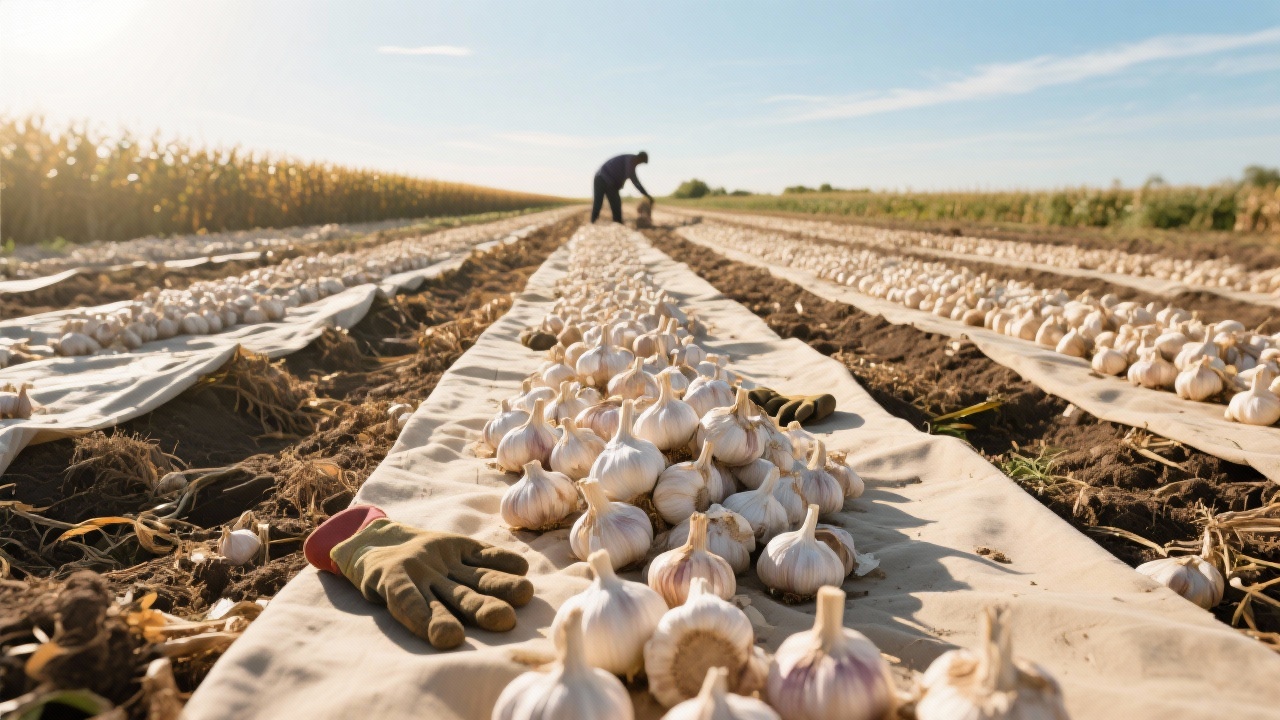
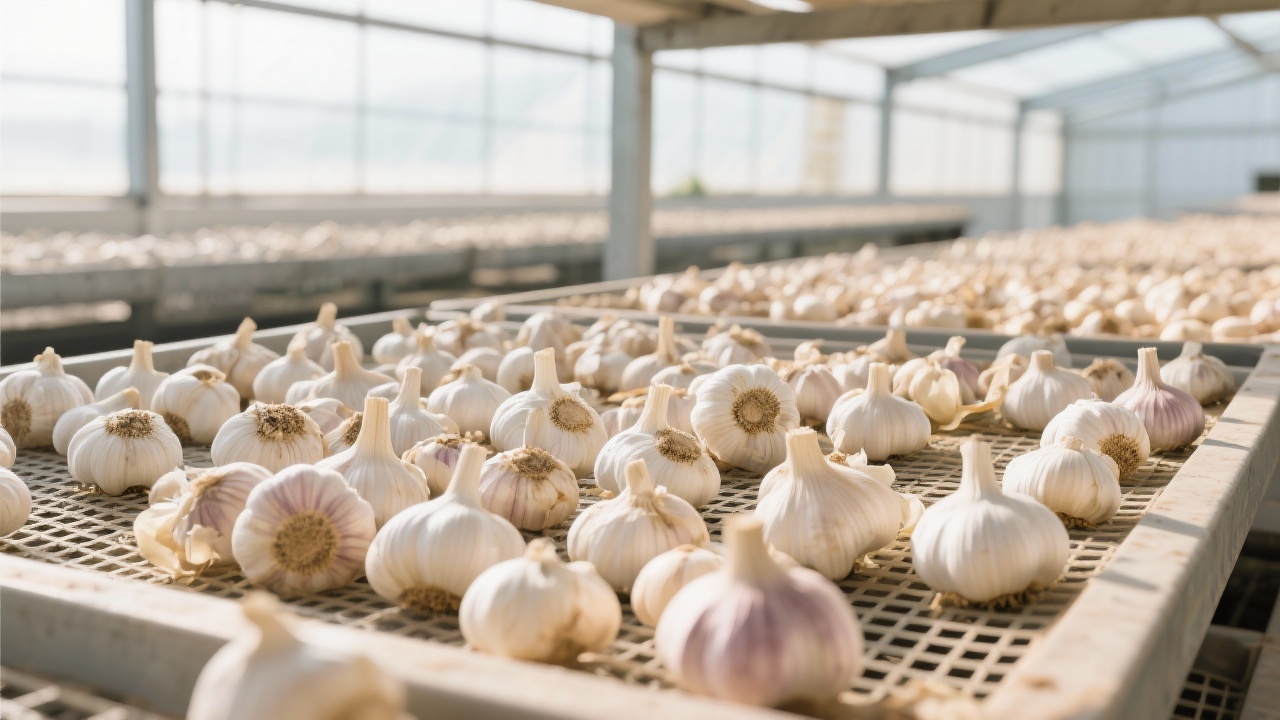
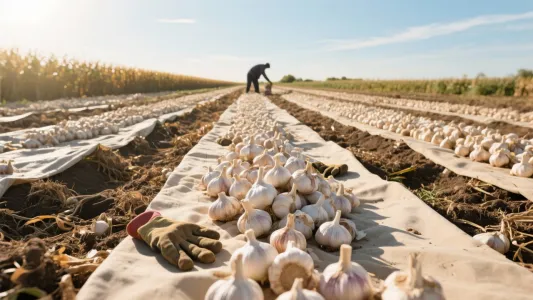
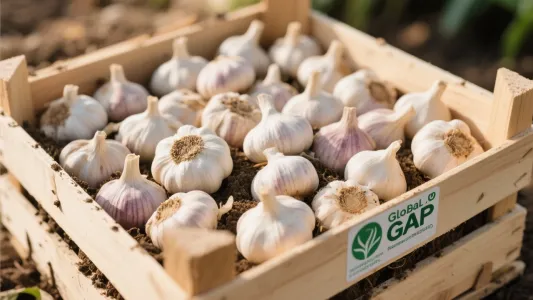
The production of high-quality fresh garlic initiates with green agricultural practices — a framework defined by eco-friendly fertilization and pesticide management to mitigate residue contamination. Adherence to internationally recognized certifications such as GlobalG.A.P. and HACCP reinforces farm-level quality assurance and food safety. Post-harvest processing further dictates shelf-life; hence, meticulous cleaning combined with natural air drying programs serve to minimize microbial activity and prevent bulb rot.
Research indicates that properly dried garlic bulbs exhibit moisture content below 60%, a critical threshold to avoid fermentation and fungal proliferation during storage and transport.
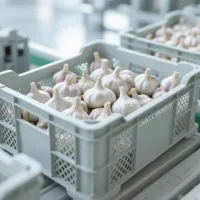
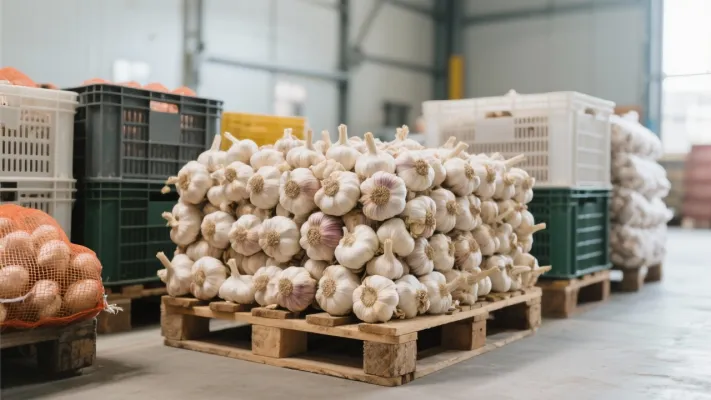
Packaging not only safeguards the product but also facilitates optimal gas exchange and moisture regulation. Two leading packaging solutions prevail in the fresh garlic industry:
Mesh or netted bags are widely adopted for fresh garlic owing to their breathable structure. The perforations enable the free circulation of oxygen and moisture evaporation, directly reducing the risk of suffocation-related spoilage.
Advantages include:
Vacuum packaging removes ambient air, thus limiting oxidative reactions and microbial growth inside a sealed, oxygen-free environment. This method extends freshness markedly and is increasingly favored in international markets demanding longer shelf life.
Recognized benefits:
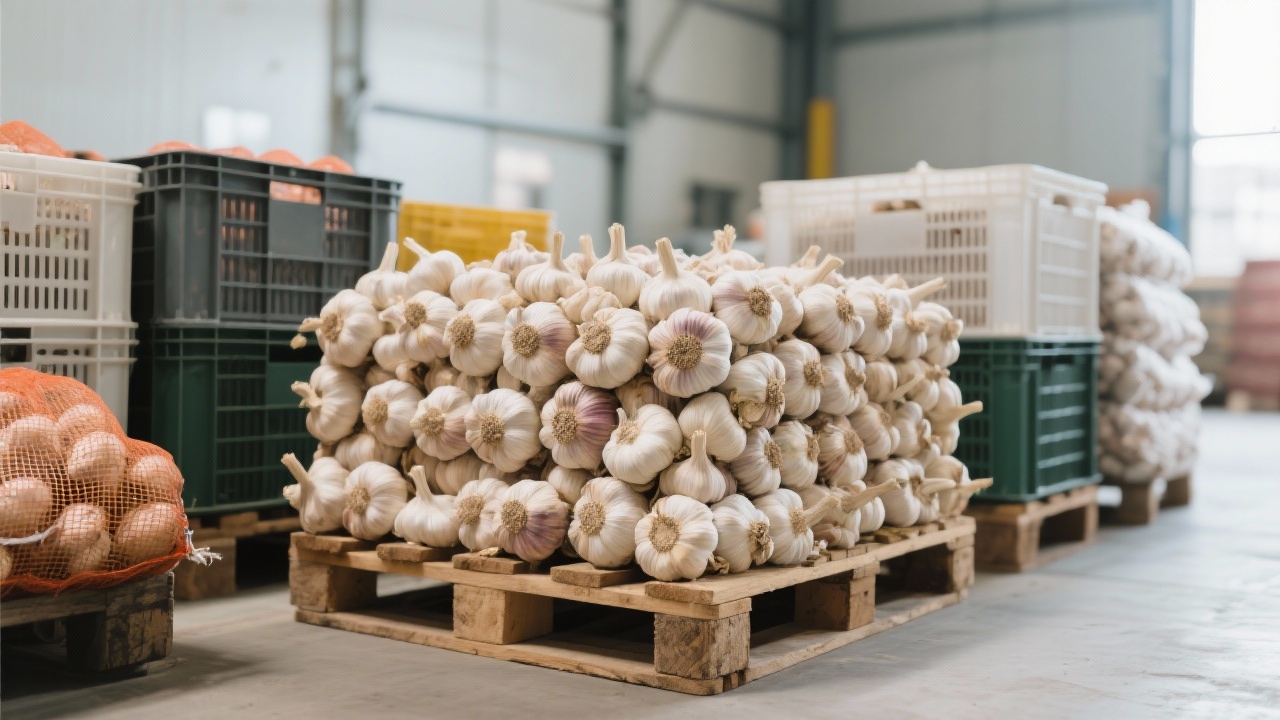
The efficiency of packaging systems is amplified when complemented by real-time environmental monitoring. Advanced supply chains utilize IoT-enabled temperature and humidity sensors within freight containers, which feed critical data to adaptive climate control devices. This continuous regulation helps maintain optimal conditions—approximately 0-4°C temperature and 60-70% relative humidity—to prevent premature sprouting and microbial deterioration.
Case studies demonstrate that integrating these technologies reduces transit losses by up to 25% and enhances customer satisfaction through consistent product quality.
Guaranteeing quality compliance across borders demands adherence to globally recognized inspection frameworks. GlobalG.A.P. certifies sustainable farming procedures, while HACCP protocols systematically manage food safety risks during processing and packaging.
Moreover, independent third-party testing offers traceability and fraud prevention assurances, which are pivotal in highly competitive markets such as the EU and North America.
Incorporating these certifications not only fosters regulatory compliance but also builds trust among buyers and end-consumers alike.
Based on empirical data and industry benchmarks, procurement and logistics executives can tailor packaging and transport strategies as follows:
Interested in unlocking the full potential of fresh garlic preservation? Explore our comprehensive technical whitepaper on fresh garlic packaging and supply chain innovations to enhance your product reliability and market edge.

 311
|
311
|
 Garlic paste export challenges
Flavor stability solutions
Garlic processing technology
Food export compliance standards
HACCP certification application
178
|
fresh garlic transportation
temperature humidity control
supply chain management
garlic quality preservation
logistics monitoring
Garlic paste export challenges
Flavor stability solutions
Garlic processing technology
Food export compliance standards
HACCP certification application
178
|
fresh garlic transportation
temperature humidity control
supply chain management
garlic quality preservation
logistics monitoring
 289
|
fresh garlic transportation
supply chain quality management
garlic packaging solutions
temperature and humidity control
international food safety standards
289
|
fresh garlic transportation
supply chain quality management
garlic packaging solutions
temperature and humidity control
international food safety standards
 89
|
fresh garlic packaging
vacuum packaging garlic
net bag packaging
garlic shelf life extension
food supply chain management
89
|
fresh garlic packaging
vacuum packaging garlic
net bag packaging
garlic shelf life extension
food supply chain management
 202
|
fresh garlic preservation packaging
vacuum packaging vs mesh bag
garlic transportation technology
agricultural supply chain management
international food certification
202
|
fresh garlic preservation packaging
vacuum packaging vs mesh bag
garlic transportation technology
agricultural supply chain management
international food certification