In the global trade of fresh garlic bulbs, maintaining quality and safety during long - distance transportation and supply chain management is crucial. This article delves into the essential measures to ensure the stability of fresh garlic bulb supply and enhance market competitiveness.
Green planting is the cornerstone of ensuring the safety of fresh garlic bulbs. By using organic fertilizers and biological pest control methods, the quality of garlic bulbs can be significantly improved. For example, studies have shown that garlic bulbs grown with organic fertilizers have a 20% lower incidence of pests and diseases compared to those grown with chemical fertilizers. Green - planted garlic bulbs are also more in line with international consumer preferences and regulatory requirements, such as Global GAP certification, which emphasizes environmental protection, food safety, and sustainable agriculture in the production process.
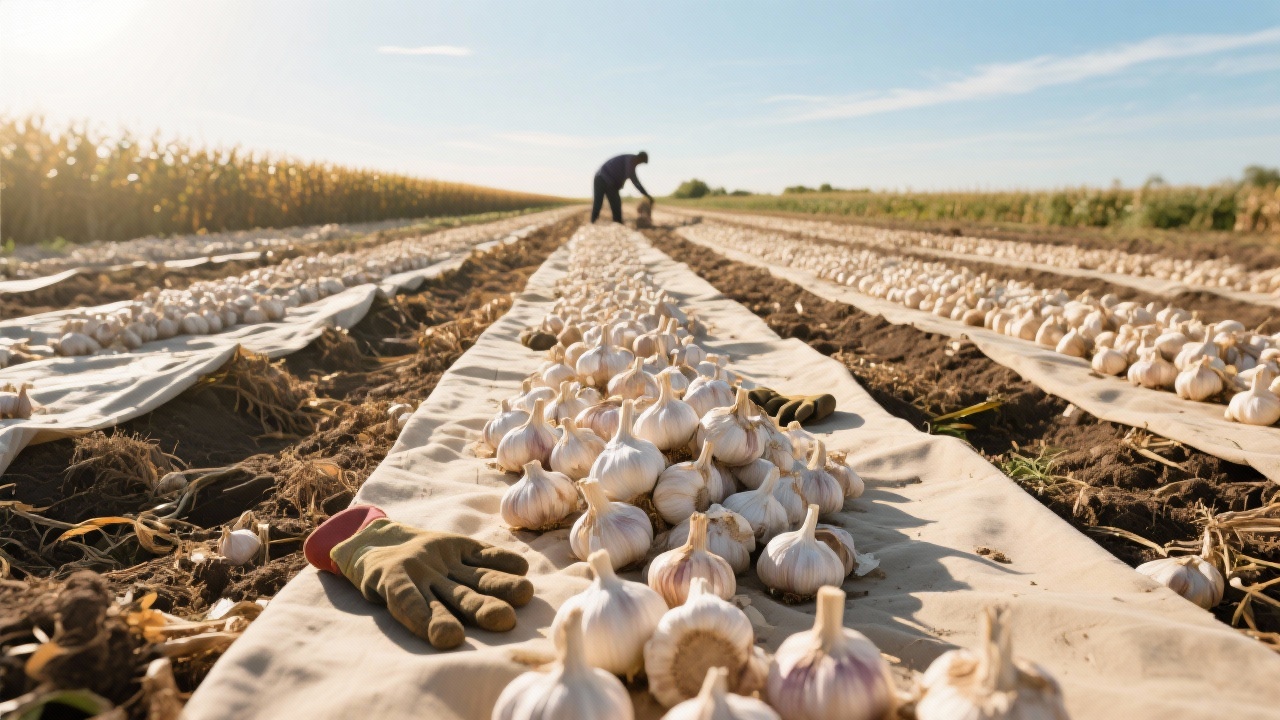
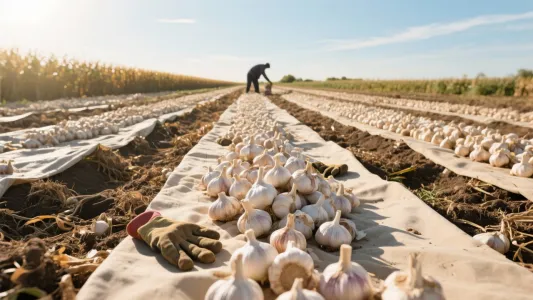
After harvesting, thorough cleaning and natural air - drying are essential steps for preventing mildew and corrosion. Cleaning can remove dirt, bacteria, and pesticides on the surface of garlic bulbs. The natural air - drying process reduces the moisture content of garlic bulbs to an appropriate level. Generally, the moisture content of garlic bulbs should be reduced to about 60% - 65% after air - drying. This can effectively inhibit the growth of mold and bacteria, thereby extending the shelf life of garlic bulbs. The cleaning process usually involves soaking in clean water for 15 - 20 minutes and then gently brushing to remove impurities. After that, the garlic bulbs are spread out in a well - ventilated area for air - drying, which usually takes 3 - 5 days depending on the weather conditions.
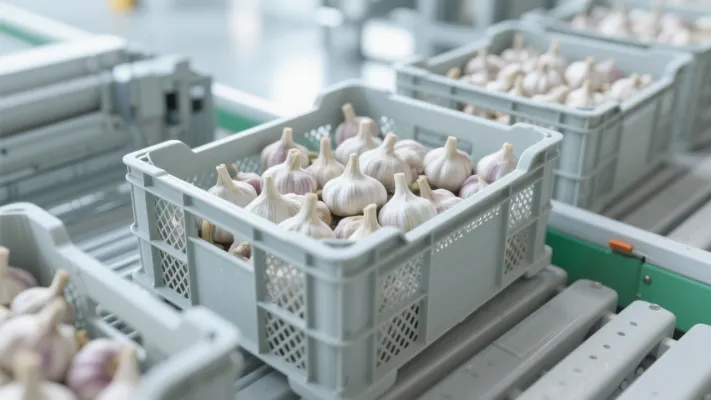
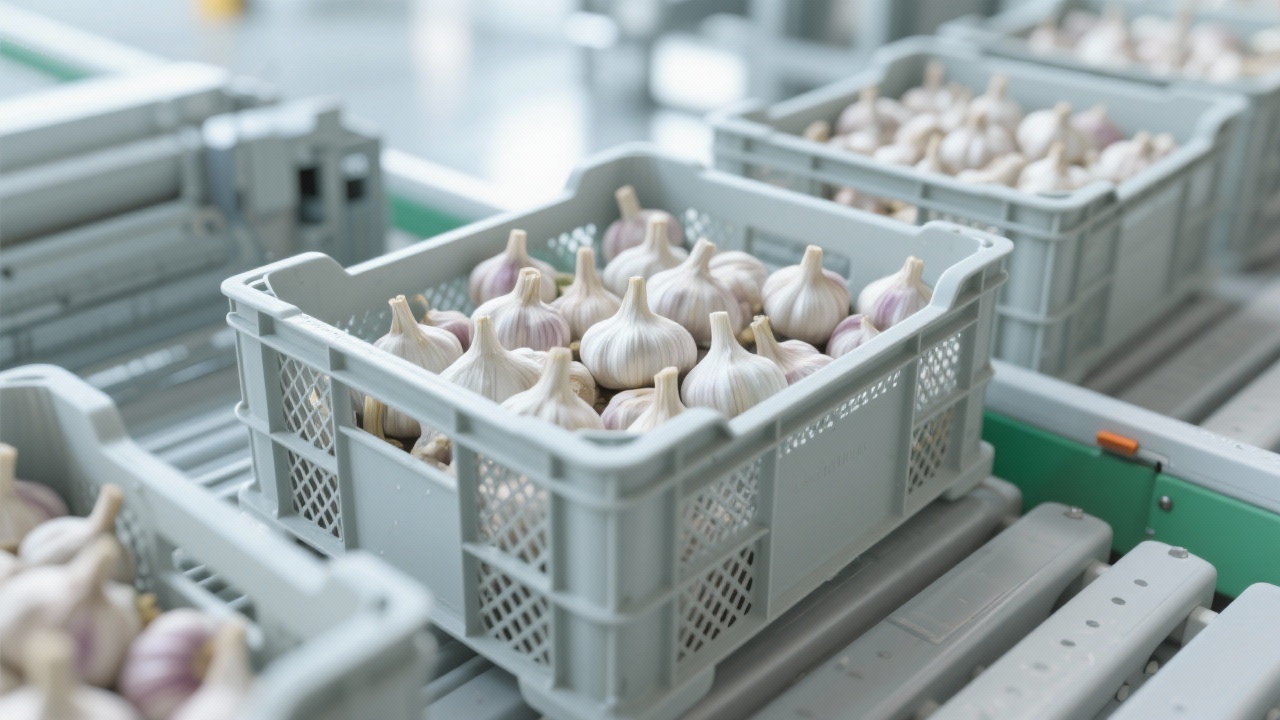
There are several packaging forms for fresh garlic bulbs, including mesh bags, vacuum packaging, and cartons, each with its own characteristics. Mesh bags are breathable, which is suitable for short - distance transportation and short - term storage. However, they provide relatively limited protection against external factors such as moisture and pests. Vacuum packaging can effectively isolate oxygen, thereby inhibiting the growth of aerobic bacteria and mold. It can extend the shelf life of garlic bulbs to about 3 - 6 months. Cartons are suitable for long - distance transportation and provide better physical protection. But they need proper ventilation to prevent moisture accumulation. For short - distance transportation of less than 500 kilometers, mesh bags are a cost - effective choice. For long - distance transportation over 1000 kilometers, vacuum packaging or cartons with appropriate ventilation design are recommended.
During the logistics process, temperature and humidity monitoring and regulation are vital for preventing garlic bulbs from germinating and deteriorating. The optimal temperature for storing fresh garlic bulbs is between 0 - 5°C, and the relative humidity should be maintained at about 60% - 70%. By using temperature - controlled transportation vehicles and humidity - adjustable storage facilities, the quality of garlic bulbs can be effectively maintained. For example, in a temperature - controlled container, the temperature fluctuation can be controlled within ±1°C, which can significantly reduce the spoilage rate of garlic bulbs during transportation. Real - time monitoring systems can also be installed to track the temperature and humidity changes, allowing timely adjustments to be made.
To ensure the quality and compliance of exported fresh garlic bulbs, third - party inspection is indispensable. International certification standards such as Global GAP, HACCP, and ISO22000 set strict requirements for the entire production and supply chain of agricultural products. Third - party inspection agencies can conduct comprehensive inspections on garlic bulbs, including pesticide residue testing, microbial analysis, and quality assessment. Products that meet these international certification standards are more likely to enter the international market and gain the trust of overseas customers. For instance, a product with HACCP certification has a 30% higher chance of passing customs inspections in developed countries.
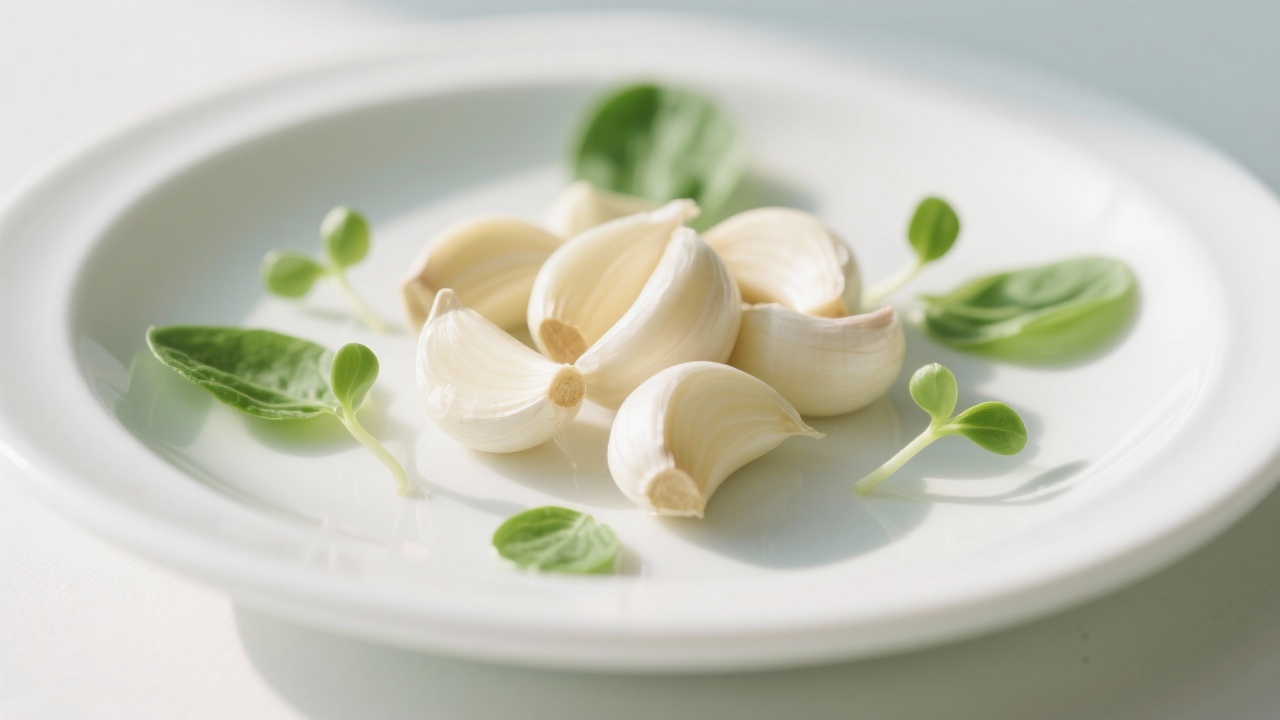
In conclusion, by implementing these measures in green planting, post - harvest treatment, packaging, logistics, and quality control, enterprises can effectively maintain the quality of fresh garlic bulbs, enhance supply chain stability, and improve market competitiveness.
Learn more about fresh garlic bulb preservation solutions by accessing our technical white paper.

 178
|
178
|
 fresh garlic transportation
temperature humidity control
supply chain management
garlic quality preservation
logistics monitoring
fresh garlic transportation
temperature humidity control
supply chain management
garlic quality preservation
logistics monitoring
 89
|
fresh garlic packaging
vacuum packaging garlic
net bag packaging
garlic shelf life extension
food supply chain management
89
|
fresh garlic packaging
vacuum packaging garlic
net bag packaging
garlic shelf life extension
food supply chain management
 116
|
fresh garlic export
Global GAP certification
supply chain management
temperature and humidity control
packaging solutions
116
|
fresh garlic export
Global GAP certification
supply chain management
temperature and humidity control
packaging solutions
 255
|
export ginger cold chain transport
ginger temperature management
fresh produce cold chain logistics
breathable packaging for ginger
GlobalGAP export standards
362
|
garlic processing technology
garlic powder aroma retention
food export quality control
drying temperature management
garlic flavor stabilization
255
|
export ginger cold chain transport
ginger temperature management
fresh produce cold chain logistics
breathable packaging for ginger
GlobalGAP export standards
362
|
garlic processing technology
garlic powder aroma retention
food export quality control
drying temperature management
garlic flavor stabilization