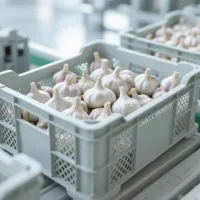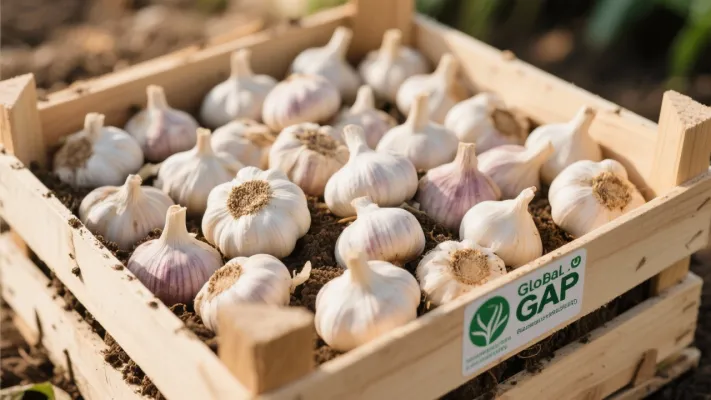
According to the Chinese Academy of Agricultural Sciences, improper packaging during long-distance transport causes up to 30% quality loss in fresh garlic due to moisture ingress, sprouting, and mold.
Fresh garlic, a highly perishable agricultural product, is vulnerable to quality degradation throughout the supply chain. The main issues encountered during transportation include moisture absorption, unwanted sprouting, and microbial contamination leading to mold. These factors not only compromise product quality but also reduce buyer satisfaction and increase rejection rates. For procurement managers and supply chain professionals, understanding how packaging affects preservation is critical to stabilizing export operations and reducing losses.
Two prevalent packaging methods dominate the fresh garlic market: mesh bags and vacuum packaging. Each offers distinct advantages and limitations shaped by their physical properties and applicable logistics scenarios.
Mesh bags provide excellent ventilation, facilitating air exchange that helps prevent condensation and inhibits fungal growth. The porous structure reduces heat buildup inside the package, which is crucial for shorter transportation times or domestic retail distribution.
However, mesh bags lack barriers to oxygen, exposing garlic cloves to oxidation and sprouting during extended transit or fluctuating temperatures. This increases susceptibility to moisture uptake and external contaminants.
Vacuum packaging extracts air, thereby creating a low-oxygen environment that effectively delays sprouting and oxidation. This method extends shelf life, especially for long-haul overseas shipments and sensitive markets where freshness perception drives premium pricing.
The downside includes risk of moisture accumulation inside the sealed pack without adequate drying or temperature control. Additionally, higher packaging costs and specialized equipment limit widespread use for small-scale producers.
Beyond packaging material selection, post-harvest processing and real-time monitoring are indispensable in safeguarding garlic quality. Standard practices include:
International buyers increasingly demand evidence of global compliance to mitigate risks. Certifications like Global GAP for agricultural best practices, HACCP for hazard analysis and critical control points, and ISO 22000 for food safety management substantially elevate buyer confidence and commercial credibility.
These certifications implicitly endorse supply chain transparency and rigor, often translating into preferential buyer terms and premium contract opportunities.
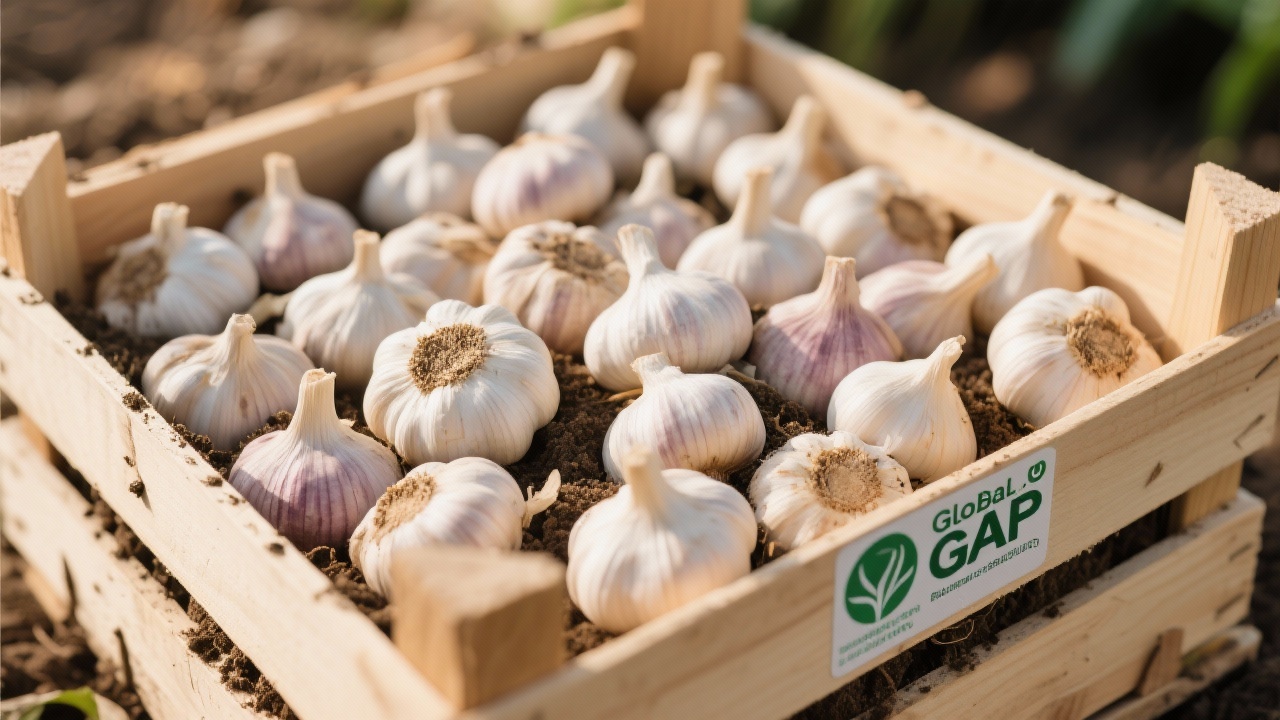
Selecting an optimal packaging solution requires balancing product preservation against cost efficiency and logistics complexity:
Procurement teams should leverage supplier data on packaging performance, validate through third-party reports, and integrate continuous environmental monitoring to dynamically adapt packaging strategies.
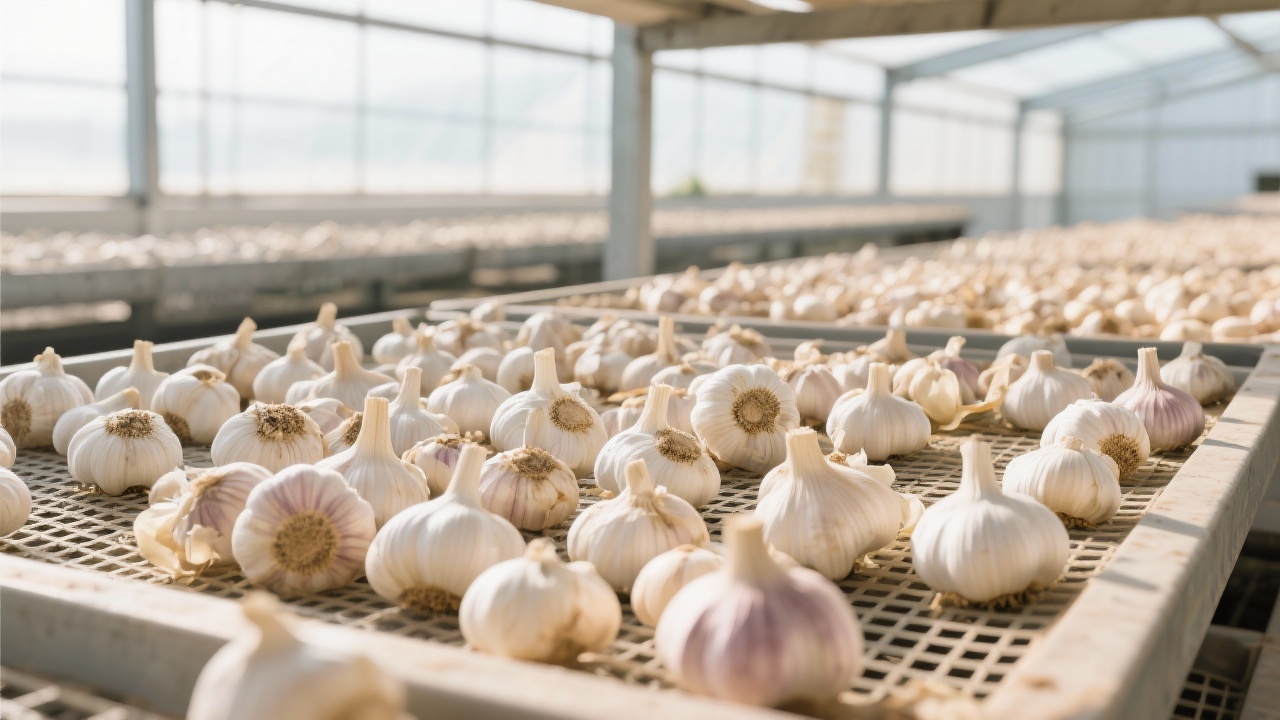
Discover comprehensive preservation methods and supply chain optimization techniques to elevate your fresh garlic exports’ success.
Explore Our Fresh Garlic Preservation Whitepaper
 57
|
57
|
 fresh garlic export preservation
temperature-controlled logistics solutions
garlic cold chain transport
food supply chain management
cross-border agricultural transport
fresh garlic export preservation
temperature-controlled logistics solutions
garlic cold chain transport
food supply chain management
cross-border agricultural transport
 311
|
Garlic paste export challenges
Flavor stability solutions
Garlic processing technology
Food export compliance standards
HACCP certification application
311
|
Garlic paste export challenges
Flavor stability solutions
Garlic processing technology
Food export compliance standards
HACCP certification application
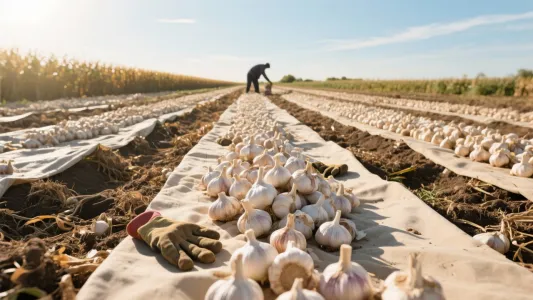 362
|
fresh garlic transportation
supply chain optimization
mold prevention in garlic
garlic packaging techniques
temperature and humidity control
362
|
fresh garlic transportation
supply chain optimization
mold prevention in garlic
garlic packaging techniques
temperature and humidity control
 255
|
export ginger cold chain transport
ginger temperature management
fresh produce cold chain logistics
breathable packaging for ginger
GlobalGAP export standards
362
|
garlic processing technology
garlic powder aroma retention
food export quality control
drying temperature management
garlic flavor stabilization
255
|
export ginger cold chain transport
ginger temperature management
fresh produce cold chain logistics
breathable packaging for ginger
GlobalGAP export standards
362
|
garlic processing technology
garlic powder aroma retention
food export quality control
drying temperature management
garlic flavor stabilization