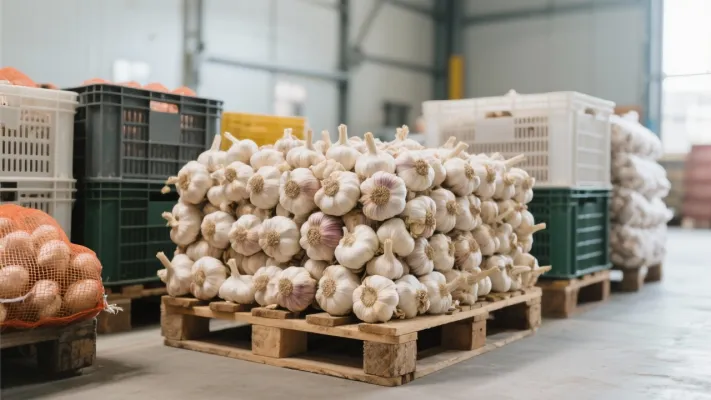
In the increasingly global fresh produce market, maintaining the quality of fresh garlic bulbs during long-distance transportation poses a significant challenge. This article explores the full supply chain techniques and technologies essential to safeguard fresh garlic quality – from eco-friendly cultivation to advanced post-harvest handling, innovative packaging, and dynamic environmental control. Coupled with strict adherence to international certifications such as Global GAP, HACCP, and ISO 22000, producers and supply chain managers gain actionable insights for optimizing product integrity, reducing losses, and boosting export competitiveness.
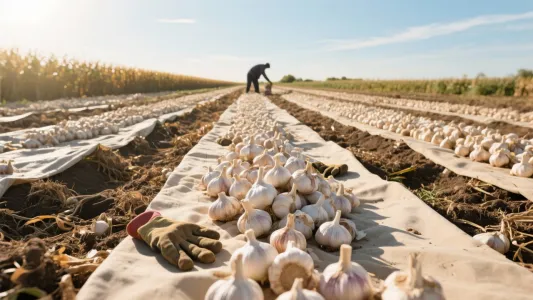
The journey to premium-quality fresh garlic begins at the farm level. Implementing green planting methods with strict control on pesticide usage ensures minimal residue, preserving consumer health and meeting the stringent demands of international markets. On average, farms applying integrated pest management (IPM) strategies report a 40% reduction in chemical residues, aligning with Global GAP standards. Soil health monitoring, crop rotation, and organic fertilization not only improve bulb robustness but also reduce susceptibility to fungal infections that precipitate post-harvest deterioration.
Once harvested, handling fresh garlic with precision is critical. The cleaning process employs controlled water sprays combined with sanitizing agents compliant with HACCP protocols to remove soil without compromising bulb integrity. Following washing, gentle forced-air drying eliminates moisture that otherwise fosters mold growth.
Grading based on size, peeling quality, and firmness allows for tailored packaging solutions that cater to different markets. Empirical data suggests that proper grading and removal of damaged bulbs reduce post-shipment rejection rates by up to 30%.
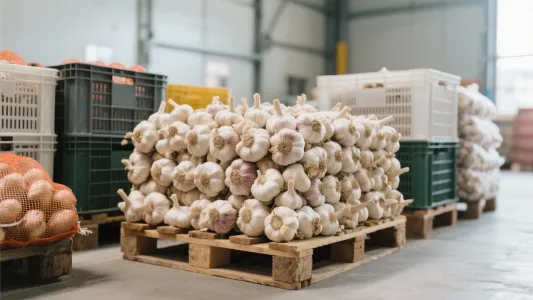
Selecting the appropriate packaging is pivotal for maintaining freshness during transit. Three primary packaging forms dominate the sector:
Recent studies indicate vacuum-packed garlic retains superior firmness and aroma after 45 days of refrigerated transit compared to conventional packaging, highlighting its efficacy for demanding export routes.
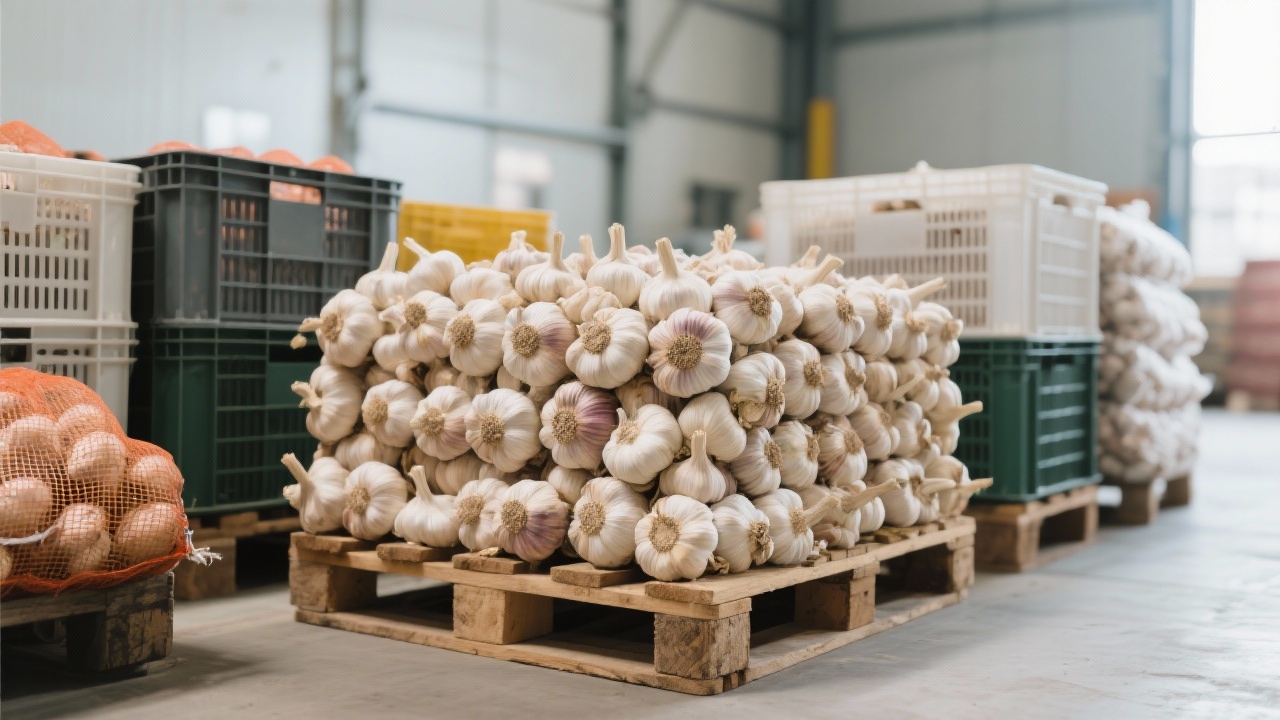
Fluctuations in temperature and relative humidity are among the leading causes of garlic spoilage en route. Employing IoT-enabled sensors and cloud-based analytic platforms allows continuous real-time tracking and automated regulation of shipment environments.
Ideal transport conditions maintain temperatures between 0°C and 5°C with 60–70% relative humidity. Deviations beyond these thresholds can accelerate sprouting, softening, and fungal proliferation. Advanced refrigeration units integrated with humidity control valves have demonstrated a 25% reduction in spoilage rates during transoceanic shipping.
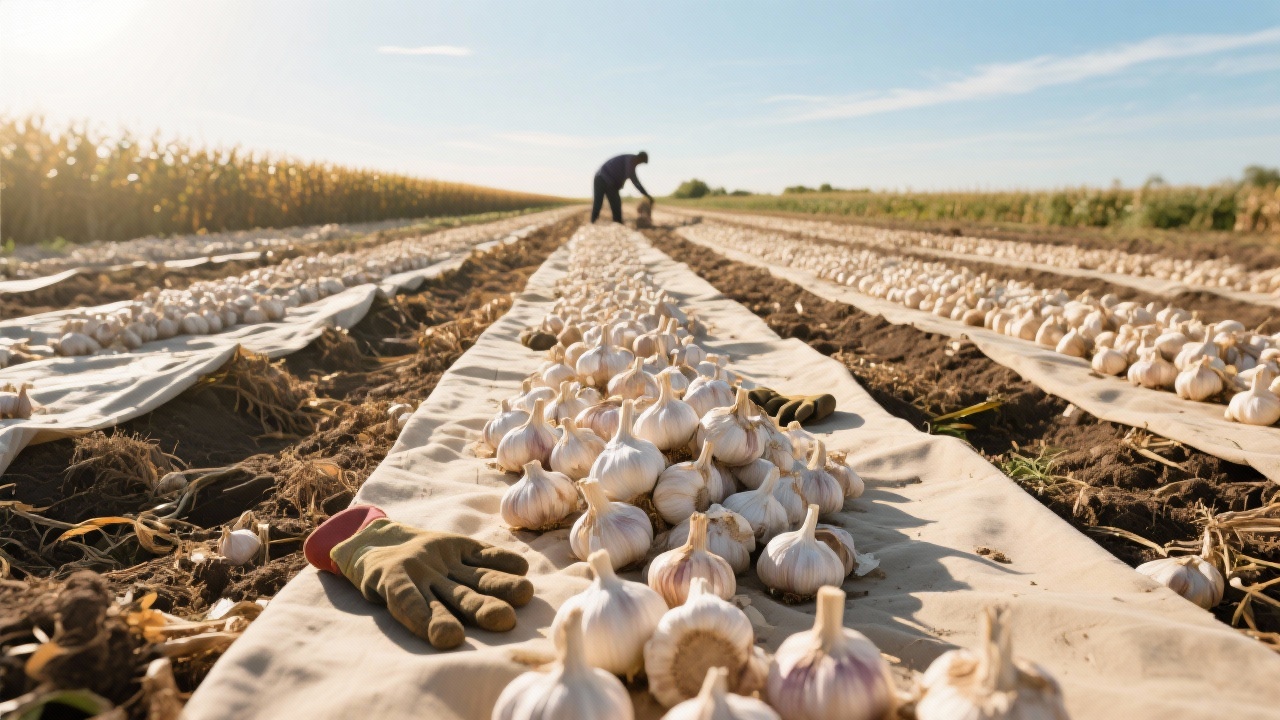
Compliance with Global GAP, HACCP, and ISO 22000 certifications is indispensable for export-oriented fresh garlic producers. These frameworks establish comprehensive protocols covering traceability, hygiene, hazard analysis, and continuous quality improvement.
Third-party laboratories conduct residue analysis, microbial testing, and packaging integrity checks, ensuring products meet destination country requirements. Incorporating these audits into supply chain cycles enhances market trust and reduces clearance times. For instance, exporters utilizing certified quality management can experience up to 20% faster border inspections.
 362
|
362
|
 fresh garlic transportation
supply chain optimization
mold prevention in garlic
garlic packaging techniques
temperature and humidity control
fresh garlic transportation
supply chain optimization
mold prevention in garlic
garlic packaging techniques
temperature and humidity control
 158
|
Garlic powder production process
Garlic paste making process
Garlic sauce processing technology
Overseas foodservice garlic application
Garlic processing food safety
158
|
Garlic powder production process
Garlic paste making process
Garlic sauce processing technology
Overseas foodservice garlic application
Garlic processing food safety
 341
|
Fresh garlic bulb transportation
Mildew prevention technology
Post - harvest treatment
Packaging solutions
Supply chain quality management
116
|
fresh garlic export
Global GAP certification
supply chain management
temperature and humidity control
packaging solutions
341
|
Fresh garlic bulb transportation
Mildew prevention technology
Post - harvest treatment
Packaging solutions
Supply chain quality management
116
|
fresh garlic export
Global GAP certification
supply chain management
temperature and humidity control
packaging solutions
 286
|
fresh garlic quality control
fresh garlic supply chain management
fresh garlic long - distance transportation
agricultural green cultivation
fresh garlic international certification
286
|
fresh garlic quality control
fresh garlic supply chain management
fresh garlic long - distance transportation
agricultural green cultivation
fresh garlic international certification