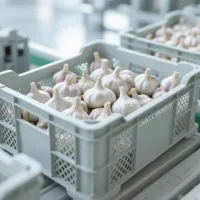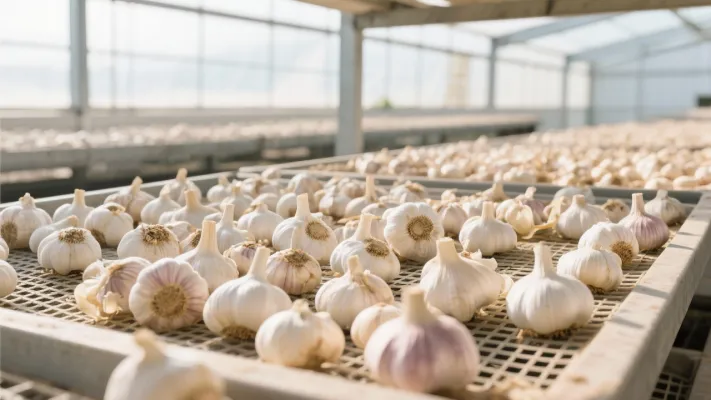
For exporters of fresh garlic, maintaining quality during long-haul transportation remains one of the biggest challenges in international B2B trade. According to a 2023 study by the International Food Logistics Association, up to 32% of fresh produce shipments fail to meet destination standards due to improper temperature and humidity control. This is especially true for garlic—prone to sprouting, mold growth, and flavor degradation when exposed to fluctuating conditions.
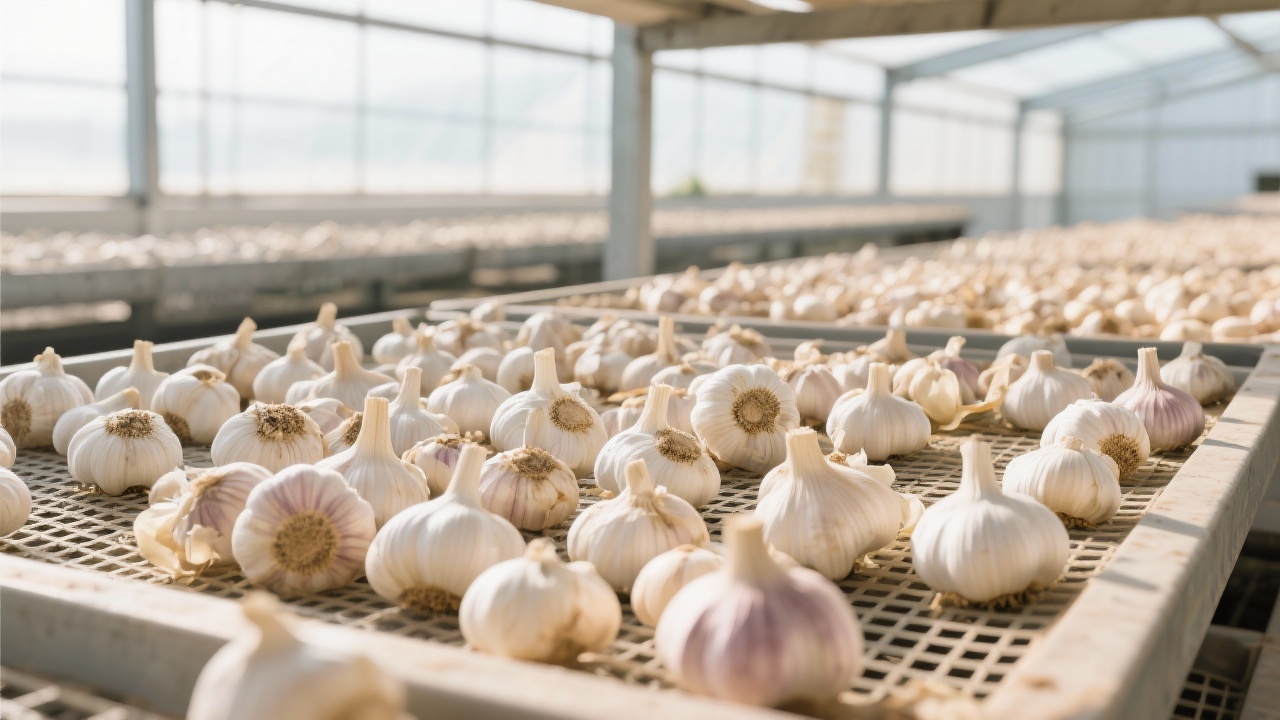
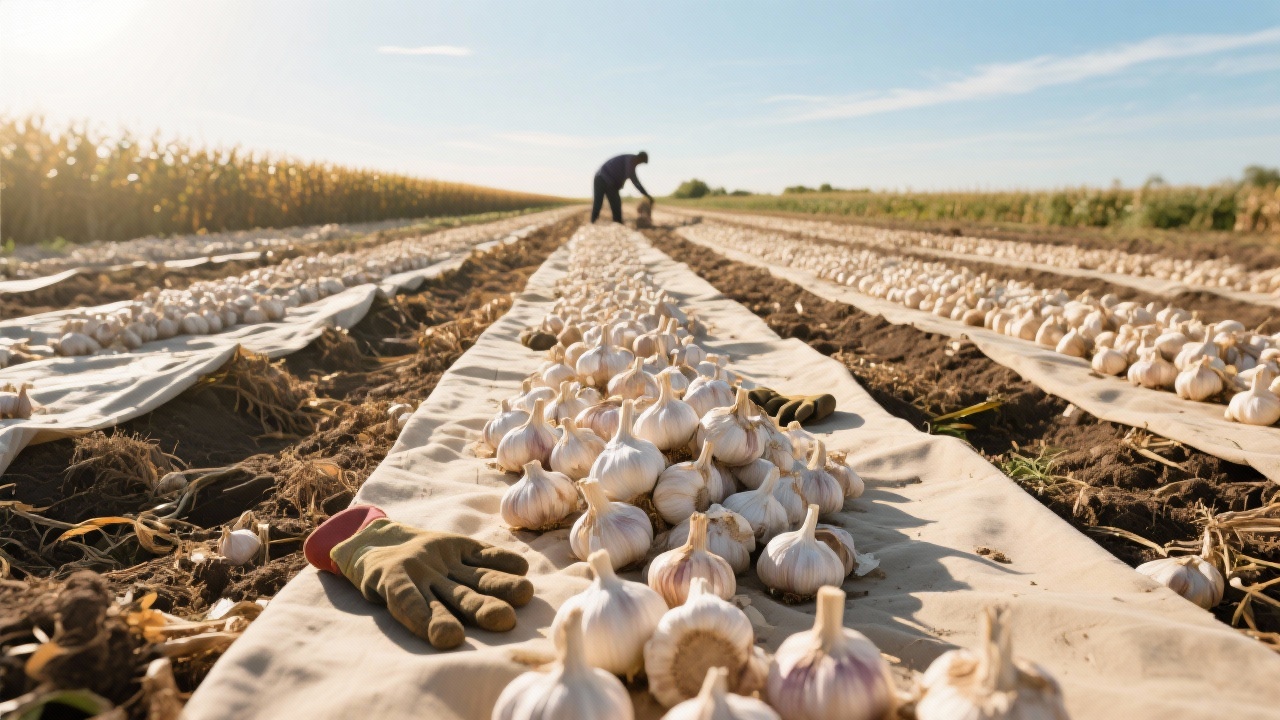
The journey begins at harvest. Implementing Global GAP-certified farming practices ensures minimal pesticide residues and consistent yield quality. Post-harvest, proper drying is critical—natural air-drying for 7–10 days at controlled humidity (65–75%) significantly reduces microbial load compared to mechanical drying methods, which can damage the bulb structure.
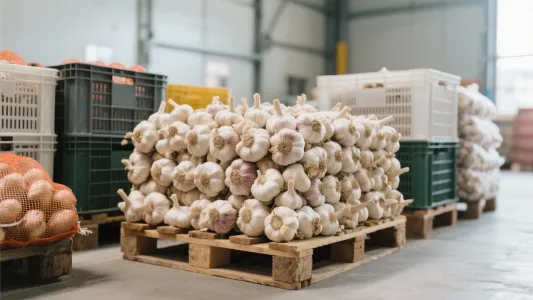
Next comes packaging. While traditional mesh bags offer ventilation, they provide no moisture barrier. Vacuum-sealed polyethylene pouches with oxygen absorbers have been shown in trials conducted by SGS to reduce spoilage rates by up to 45% over 28-day sea freight journeys.
Modern logistics now rely on IoT-enabled temperature loggers that record data every 15 minutes. The ideal storage range for fresh garlic is 10–15°C with relative humidity between 65–75%. Deviations outside this window increase the risk of sprouting or fungal contamination—both common reasons for rejection at EU ports.
As per HACCP Principle No. 5: “Establish corrective actions to be taken when monitoring indicates that an unacceptable deviation from an established critical limit has occurred.” For garlic exporters, this means immediate intervention if a container’s internal temp exceeds 18°C.
International certifications like ISO 22000 and HACCP are not just checkboxes—they’re essential for gaining access to high-value markets such as Germany, Japan, and the UAE. Buyers increasingly demand documented proof of compliance before placing bulk orders.
Our team has helped over 30 suppliers implement standardized protocols aligned with these best practices. One client in Shandong reported a 27% reduction in customer complaints within six months after adopting real-time monitoring and improved packaging strategies.
If you're serious about delivering premium-quality fresh garlic consistently to global buyers, it’s time to move beyond guesswork and embrace data-driven supply chain management.
 119
|
119
|
 fresh garlic packaging
mesh bag packaging
vacuum packaging
supply chain management
garlic freshness preservation
fresh garlic packaging
mesh bag packaging
vacuum packaging
supply chain management
garlic freshness preservation
 63
|
fresh garlic export preservation
cold chain logistics management
garlic packaging solutions
agricultural supply chain quality control
international certification standards
63
|
fresh garlic export preservation
cold chain logistics management
garlic packaging solutions
agricultural supply chain quality control
international certification standards
 429
|
garlic moisture control
vacuum packaging for garlic
deoxidizer application
long-distance garlic preservation
fresh garlic packaging technology
429
|
garlic moisture control
vacuum packaging for garlic
deoxidizer application
long-distance garlic preservation
fresh garlic packaging technology
 89
|
fresh garlic packaging
vacuum packaging garlic
net bag packaging
garlic shelf life extension
food supply chain management
341
|
Fresh garlic bulb transportation
Mildew prevention technology
Post - harvest treatment
Packaging solutions
Supply chain quality management
89
|
fresh garlic packaging
vacuum packaging garlic
net bag packaging
garlic shelf life extension
food supply chain management
341
|
Fresh garlic bulb transportation
Mildew prevention technology
Post - harvest treatment
Packaging solutions
Supply chain quality management