TECHNICAL GUIDE | POST-HARVEST MANAGEMENT | LOGISTICS OPTIMIZATION
This technical guide provides procurement managers, logistics specialists, and supply chain executives with actionable insights on maintaining optimal garlic quality during long-distance transportation through scientific environmental control, supported by industry data and best practices.
Fresh garlic, a staple commodity in global food supply chains, faces significant quality degradation risks during transportation. Statistics from the International Fresh Produce Association (IFPA) indicate that improper post-harvest handling results in approximately 12-18% of fresh garlic losses during transit, equating to over USD 320 million in annual industry losses. The implementation of precise temperature and humidity control technologies can reduce these losses to 3-5%, directly impacting profit margins and customer satisfaction.
The journey to maintaining garlic quality begins in the field. Research conducted by the Food and Agriculture Organization (FAO) demonstrates that garlic grown under controlled water stress conditions exhibits 14% higher shelf life during transportation compared to conventionally irrigated crops. Key pre-harvest factors influencing transport resilience include:
Studies at the University of California, Davis Postharvest Lab confirm that garlic bulbs with bulb density >1.05 g/cm³ show 37% less mechanical damage during transportation compared to less dense bulbs. This density threshold serves as a critical quality parameter before initiating transport.
Post-harvest processing directly impacts garlic's ability to withstand transportation stresses. A well-executed processing sequence can extend shelf life by 21-28 days under standard shipping conditions:
| Processing Stage | Optimal Parameters | Quality Impact |
|---|---|---|
| Hydro-cooling | 1-3°C water for 15-20 minutes | Rapid field heat removal, reduces respiration rate by 40% |
| Surface Drying | 25°C air at 45-50% RH for 4 hours | Prevents mold growth, reduces surface moisture to <5% |
| Sorting & Grading | Minimum 45mm diameter, <2% defect tolerance | Uniform bulb size improves packing density by 12% |
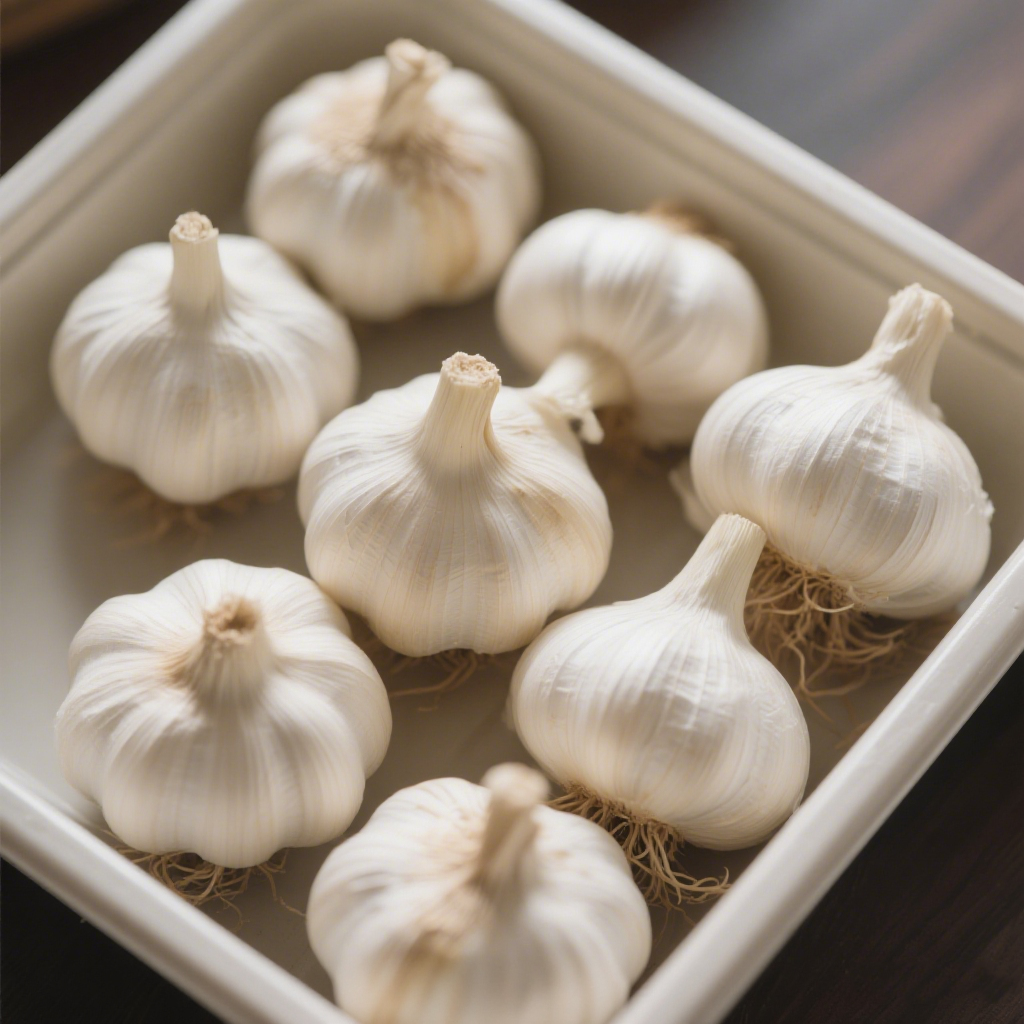
Selecting appropriate packaging is a critical decision that balances protection, breathability, and cost efficiency. The American Society of Agricultural and Biological Engineers (ASABE) has established performance standards for fresh produce packaging, with specific recommendations for garlic transportation:
Composition: 8-10% O₂, 5-7% CO₂, balance N₂
Benefits: Reduces respiration rate by 35%, extends shelf life by 28 days
Optimal Use: Sea freight exceeding 21 days
Specification: 6mm diameter holes, 8 holes per square meter
Benefits: 40% better air circulation, stackable design
Optimal Use: Land transportation, short-haul (7-10 days)
Improper loading patterns can create temperature gradients of up to 7°C within a single container, significantly increasing spoilage risk. The Global Cold Chain Alliance (GCCA) recommends specific loading protocols:
Garlic exhibits distinct environmental sensitivity compared to other bulb vegetables. Extensive trials conducted by Cornell University's Postharvest Program have established optimal transport conditions:
Real-time monitoring technology has revolutionized cold chain management for fresh produce. Modern systems can detect temperature excursions within 0.5°C and humidity variations of 3%, triggering immediate alerts. A comparative analysis of monitoring technologies:
| Technology | Sampling Rate | Data Transmission | Battery Life | Accuracy |
|---|---|---|---|---|
| Wireless Sensor Nodes | 15 min intervals | 4G/LTE | 90 days | ±0.3°C, ±2% RH |
| GPS-Enabled Loggers | 30 min intervals | Satellite | 120 days | ±0.5°C, ±3% RH |
| IoT Gateway Systems | 5 min intervals | Multiple protocols | AC-powered | ±0.2°C, ±1% RH |
Meeting international certification standards is essential for market access and customer confidence. Analysis of EU import statistics shows that certified garlic commands a 12-15% price premium compared to non-certified products, with significantly lower rejection rates at border inspections (1.2% vs.

 255
|
255
|
 export ginger cold chain transport
ginger temperature management
fresh produce cold chain logistics
breathable packaging for ginger
GlobalGAP export standards
export ginger cold chain transport
ginger temperature management
fresh produce cold chain logistics
breathable packaging for ginger
GlobalGAP export standards
 126
|
fresh tomato export standards
lycopene nutritional benefits
processed tomato specifications
retail tomato quality criteria
international agri-supply chain
126
|
fresh tomato export standards
lycopene nutritional benefits
processed tomato specifications
retail tomato quality criteria
international agri-supply chain