The global demand for fresh garlic continues to rise, making effective supply chain management crucial for businesses aiming to meet international standards and ensure product quality. This article delves into the entire process of the fresh garlic supply chain, from cultivation to shipment, highlighting key quality control measures and practical strategies.
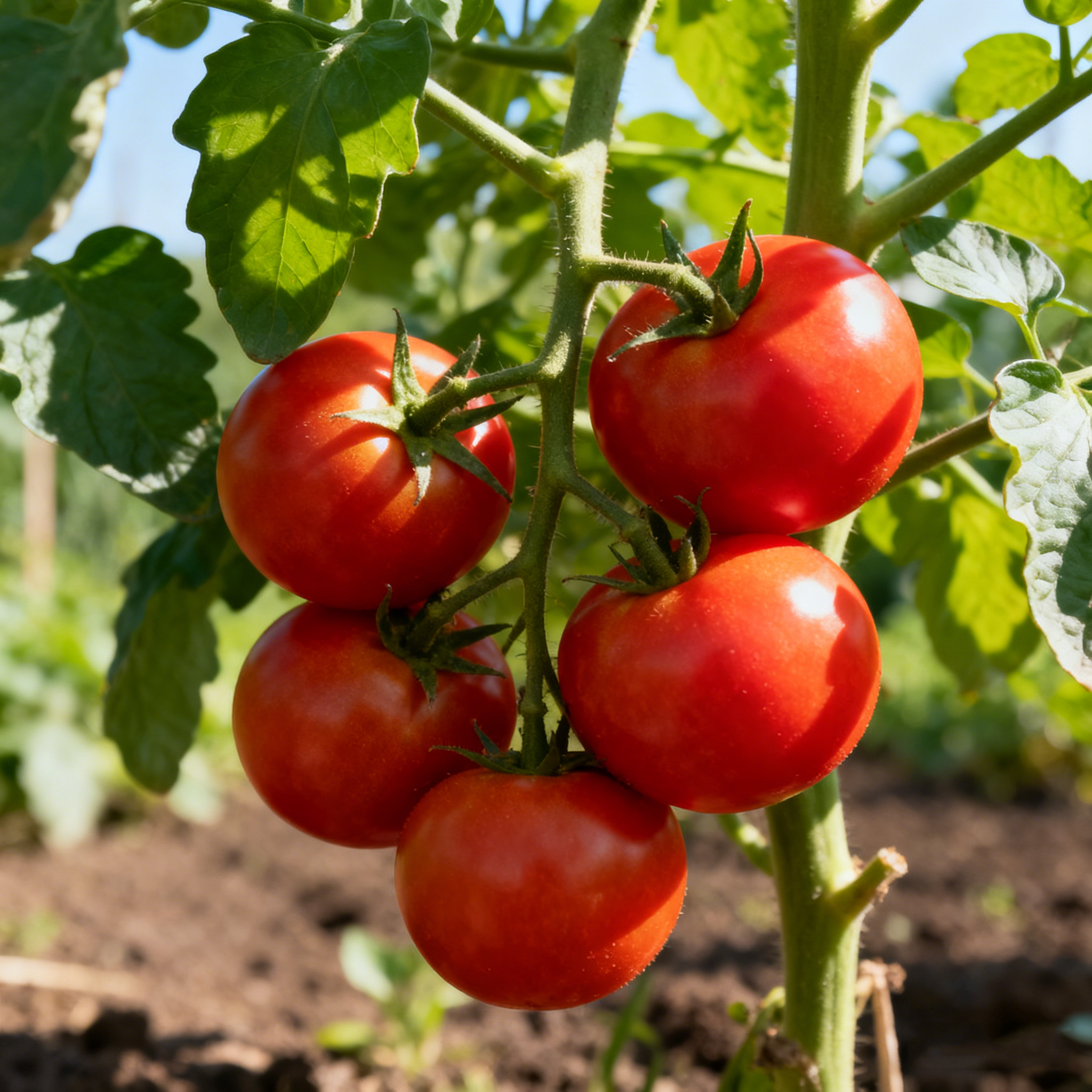
Green cultivation is the cornerstone of fresh garlic quality. By adhering to strict controls on fertilizers and pesticides, farmers can produce garlic that is not only safe but also environmentally friendly. For instance, reducing the use of chemical fertilizers by 30% can significantly improve the soil quality and the nutritional value of the garlic. Additionally, organic farming methods can enhance the flavor and aroma of the garlic, making it more appealing to international consumers.
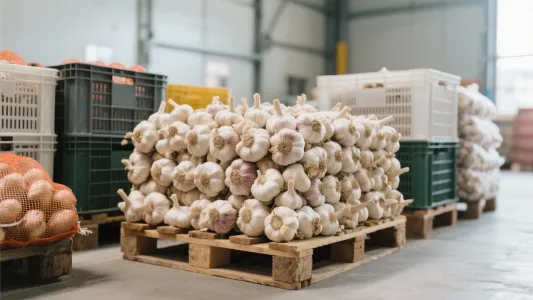
After harvest, proper post - harvest processing is essential to maintain the quality of fresh garlic. Cleaning the garlic bulbs thoroughly can remove dirt and debris, reducing the risk of contamination. Natural air - drying is a preferred method as it helps to preserve the garlic's natural properties. Research shows that garlic dried at a temperature of around 25°C and a relative humidity of 60% for 7 - 10 days has a longer shelf - life. Grading the garlic based on size, shape, and quality ensures that only the best products are selected for export, enhancing the overall marketability.
Packaging plays a vital role in protecting fresh garlic during transportation. Different packaging forms have their own advantages and disadvantages. Mesh bags allow for better air circulation, reducing the risk of mold growth, while plastic containers provide better protection against physical damage. However, plastic containers may also trap moisture, increasing the chance of spoilage. Therefore, it is important to choose the appropriate packaging based on the destination, transportation mode, and storage conditions.
During long - distance transportation, maintaining the right temperature and humidity is crucial to prevent garlic from sprouting and deteriorating. For example, storing garlic at a temperature of 0 - 5°C and a relative humidity of 65 - 70% can effectively extend its shelf - life. Advanced monitoring and control technologies, such as sensor - based systems, can provide real - time data on temperature and humidity, allowing for timely adjustments.
Meeting international certification requirements, such as Global GAP, HACCP, and ISO22000, is essential for accessing global markets. These certifications not only demonstrate the quality and safety of the fresh garlic but also enhance the credibility of the suppliers. Third - party testing can provide an objective assessment of the product's quality, ensuring compliance with international standards.
In conclusion, effective quality control in the fresh garlic supply chain is a complex but achievable goal. By implementing the strategies outlined in this article, businesses can ensure the stable supply of high - quality fresh garlic and enhance their market competitiveness. For more in - depth insights and detailed solutions, please visit our technical whitepapers and solution pages.

 160
|
160
|
 garlic processing certification
HACCP for garlic products
ISO22000 food safety
export garlic compliance
food safety management system
garlic processing certification
HACCP for garlic products
ISO22000 food safety
export garlic compliance
food safety management system
 57
|
fresh garlic export preservation
temperature-controlled logistics solutions
garlic cold chain transport
food supply chain management
cross-border agricultural transport
311
|
Garlic paste export challenges
Flavor stability solutions
Garlic processing technology
Food export compliance standards
HACCP certification application
57
|
fresh garlic export preservation
temperature-controlled logistics solutions
garlic cold chain transport
food supply chain management
cross-border agricultural transport
311
|
Garlic paste export challenges
Flavor stability solutions
Garlic processing technology
Food export compliance standards
HACCP certification application
 341
|
Fresh garlic bulb transportation
Mildew prevention technology
Post - harvest treatment
Packaging solutions
Supply chain quality management
362
|
garlic processing technology
garlic powder aroma retention
food export quality control
drying temperature management
garlic flavor stabilization
341
|
Fresh garlic bulb transportation
Mildew prevention technology
Post - harvest treatment
Packaging solutions
Supply chain quality management
362
|
garlic processing technology
garlic powder aroma retention
food export quality control
drying temperature management
garlic flavor stabilization