In the highly competitive garlic export market, maintaining the freshness and quality of fresh garlic bulbs during extended transportation is paramount. Garlic products are sensitive to moisture infiltration and oxidative degradation, which can significantly reduce shelf life, flavor intensity, and market value. This article delivers an in-depth exploration of scientifically proven moisture barrier and preservation solutions—with particular emphasis on oxygen absorbers (deoxidizers) and vacuum packaging technologies—that enable food processors and distributors to extend product freshness across long distribution channels.
Moisture ingress remains a leading cause of deterioration in garlic during transport. High-performance packaging materials such as multilayer polyethylene films combined with aluminum foil barriers provide robust protection against humidity and oxygen. Optimal packaging should exhibit:
Combined with strict sealing techniques – including heat-sealing and peelable liners – these materials establish an essential barrier to environmental factors that accelerate spoilage and quality loss.
Oxygen absorbers are sachets containing iron powder-based compounds that chemically react with residual oxygen to create an anaerobic environment inside the packaging. Applied correctly, oxygen absorbers can reduce oxygen levels to less than 0.01%, a threshold proven to:
Industry-standard oxygen absorber dosages depend on packaging volume. For example, a 5 kg bulk pack of fresh garlic requires approximately 300 cc of oxygen scavenging capacity to maintain optimal atmospheric conditions throughout transit.
Vacuum packaging mechanically extracts air before sealing, drastically reducing oxygen and water vapor levels inside the pack. This method efficiently:
The integration of vacuum packaging with oxygen absorbers amplifies protective benefits, yielding combined effects superior to either method alone.
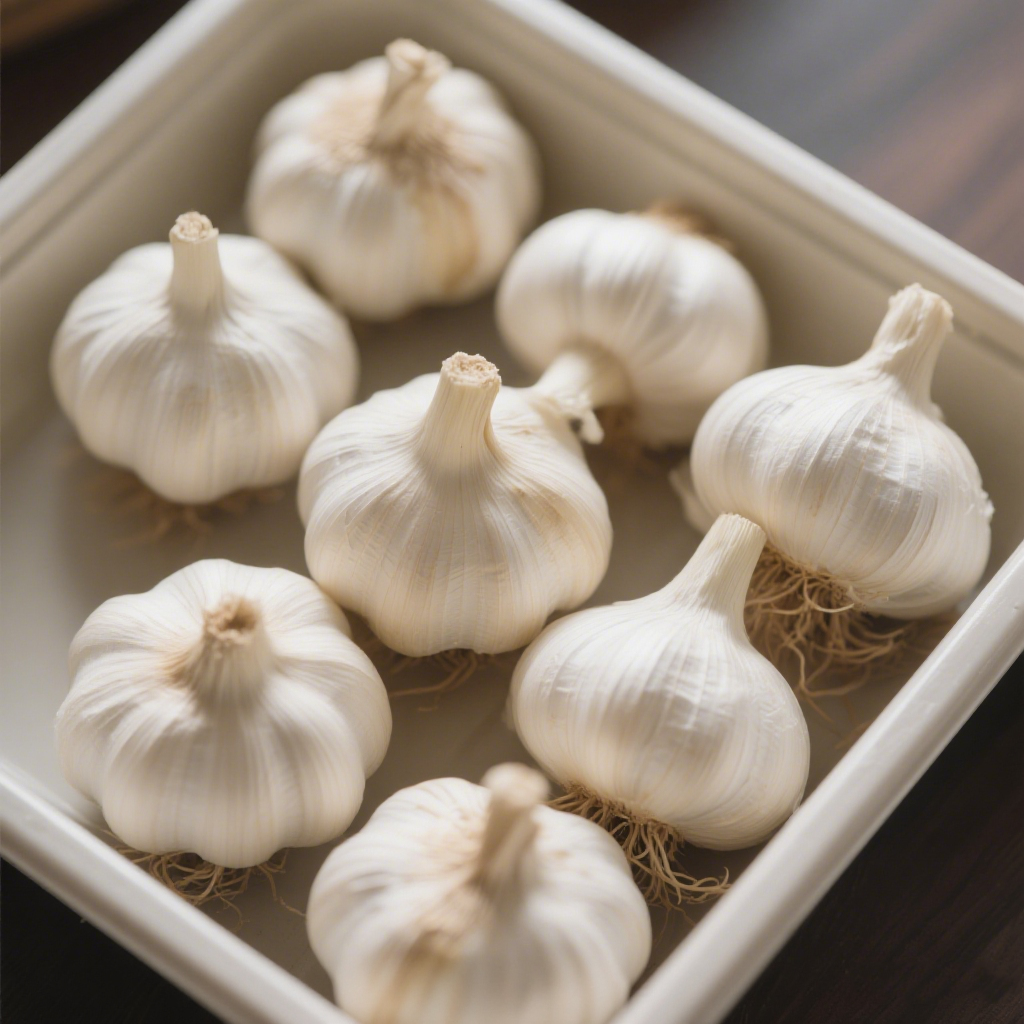
Leading garlic producers in Shandong have reported up to 35% prolongation of shelf life and a ≥ 50% reduction in spoilage rates by adopting a combined moisture-proof packaging system enriched with oxygen absorbers and vacuum sealing. Implementation involves:
These steps not only safeguard garlic quality but also help meet stringent international phytosanitary and food safety certifications such as Global GAP, HACCP, and ISO 22000.
Adherence to internationally recognized food safety management systems such as:
This compliance offers strong guarantees to importers and distributors regarding product integrity, traceability, and consumer safety.
Beyond preservation, packaging is a critical marketing touchpoint. Tailoring labels for diverse customer requirements—including multilingual text, QR codes for traceability, and eco-friendly materials—can:
Such customization strengthens brand recognition and supports longer-term contracts with wholesale buyers and food manufacturers.
Successful integration of moisture-control technologies requires:
Moreover, maintaining parameters such as relative humidity between 65%-70% and transport temperature around 5°C optimizes preservation outcomes.

 160
|
160
|
 garlic processing certification
HACCP for garlic products
ISO22000 food safety
export garlic compliance
food safety management system
178
|
fresh garlic transportation
temperature humidity control
supply chain management
garlic quality preservation
logistics monitoring
158
|
Garlic powder production process
Garlic paste making process
Garlic sauce processing technology
Overseas foodservice garlic application
Garlic processing food safety
garlic processing certification
HACCP for garlic products
ISO22000 food safety
export garlic compliance
food safety management system
178
|
fresh garlic transportation
temperature humidity control
supply chain management
garlic quality preservation
logistics monitoring
158
|
Garlic powder production process
Garlic paste making process
Garlic sauce processing technology
Overseas foodservice garlic application
Garlic processing food safety
 255
|
export ginger cold chain transport
ginger temperature management
fresh produce cold chain logistics
breathable packaging for ginger
GlobalGAP export standards
362
|
garlic processing technology
garlic powder aroma retention
food export quality control
drying temperature management
garlic flavor stabilization
255
|
export ginger cold chain transport
ginger temperature management
fresh produce cold chain logistics
breathable packaging for ginger
GlobalGAP export standards
362
|
garlic processing technology
garlic powder aroma retention
food export quality control
drying temperature management
garlic flavor stabilization