In the global foodservice industry, garlic products are indispensable flavor enhancers. However, choosing the right form of garlic product is crucial for food enterprises and chefs aiming at the overseas market. This article delves into the production processes of garlic powder, garlic paste, and minced garlic sauce, and analyzes their suitability for the overseas foodservice market.
Garlic powder is the dehydrated and ground form of garlic. It offers long - shelf life and easy storage, making it popular in dry - mix seasonings and instant foods. Garlic paste, a semi - solid product achieved by pureeing fresh garlic, is widely used in marinades and sauces. Minced garlic sauce, with added seasonings and oil, is perfect for adding a rich garlic flavor to a variety of hot dishes and cold starters.
All three products start with cleaning fresh garlic. For garlic powder, after cleaning, the garlic is sliced and then dried. High - temperature drying at 60 - 80°C can reduce the moisture content to 5 - 7% within 6 - 8 hours, but it may lead to around 30% loss of natural aroma. In contrast, our natural air - drying method at 30 - 40°C over 24 - 36 hours retains over 80% of the natural aroma. Grinding follows, and the finer the powder (around 80 - 100 mesh), the better the solubility and flavor dispersion.
Garlic paste is made by pureeing cleaned garlic cloves. The amount of water added during pureeing affects the texture. Too much water dilutes the flavor, while too little makes the paste hard to spread. We use a precise water - control method to ensure the best texture and flavor consistency.
Minced garlic sauce production involves mincing garlic, adding seasonings like salt, sugar, and oil, and then sterilizing. Different sterilization methods (e.g., pasteurization at 70 - 80°C for 15 - 20 minutes or high - pressure sterilization) have different impacts on flavor and shelf life. Our gentle pasteurization method preserves the freshness and flavor of the sauce effectively.
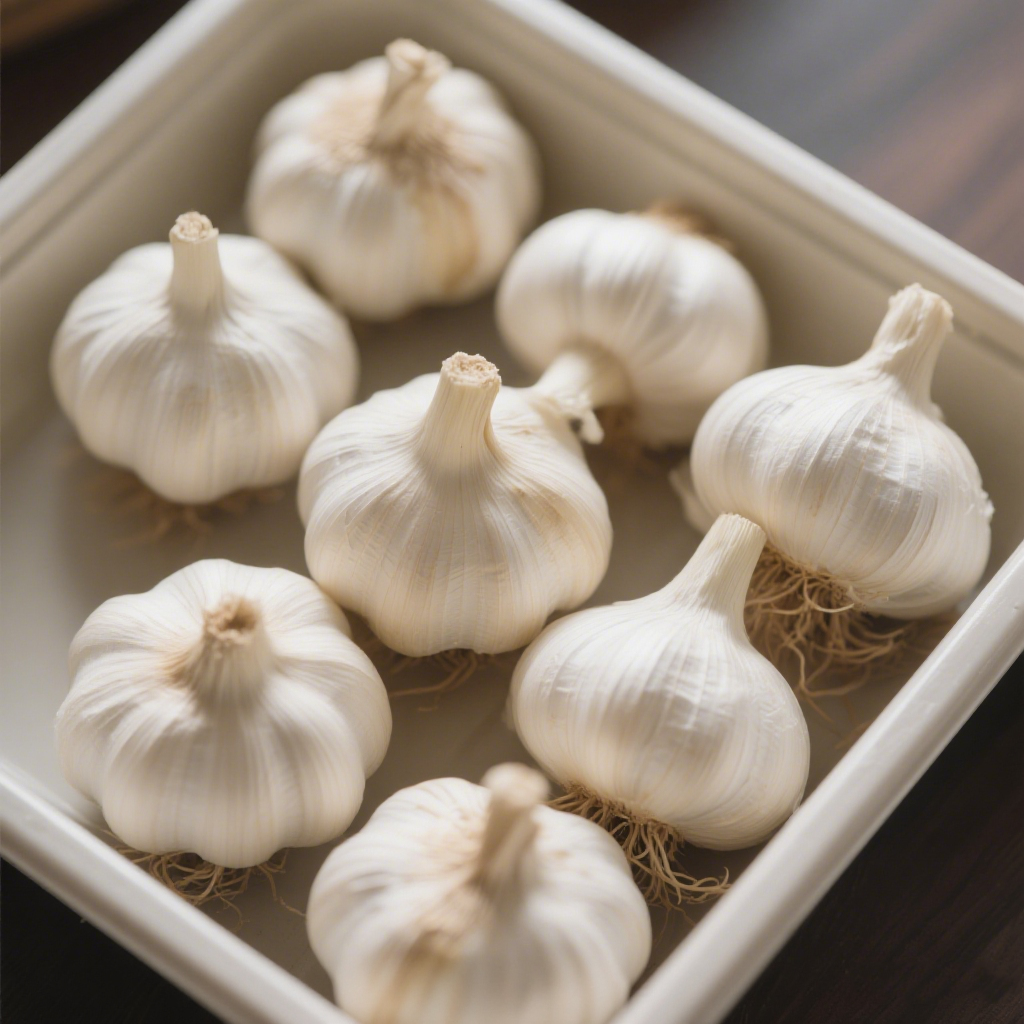
Packaging is crucial for long - distance transportation. For garlic powder, vacuum packaging combined with oxygen absorbers can extend the shelf life up to 2 years. Garlic paste and minced garlic sauce require air - tight containers with moisture - proof and light - blocking features. Our vacuum packaging technology reduces the risk of oxidation and spoilage during transportation.
Adhering to Global GAP, HACCP, and ISO22000 standards throughout the production process is essential. These standards ensure food safety, quality control, and compliance with international regulations, thereby enhancing the trust of international customers.
Common problems such as odor, caking, and spoilage can be addressed. For garlic powder, adding anti - caking agents in the right proportion can prevent caking. Our quality control system is designed to detect and solve such problems in a timely manner.
Interested in high - quality garlic products for your overseas foodservice business? Discover more about our production - optimized garlic solutions at /products/high-quality-fresh-garlic.html.

 178
|
178
|
 fresh garlic transportation
temperature humidity control
supply chain management
garlic quality preservation
logistics monitoring
fresh garlic transportation
temperature humidity control
supply chain management
garlic quality preservation
logistics monitoring
 255
|
export ginger cold chain transport
ginger temperature management
fresh produce cold chain logistics
breathable packaging for ginger
GlobalGAP export standards
362
|
garlic processing technology
garlic powder aroma retention
food export quality control
drying temperature management
garlic flavor stabilization
255
|
export ginger cold chain transport
ginger temperature management
fresh produce cold chain logistics
breathable packaging for ginger
GlobalGAP export standards
362
|
garlic processing technology
garlic powder aroma retention
food export quality control
drying temperature management
garlic flavor stabilization