The robust aroma and nutritional integrity of garlic products—ranging from powdered garlic (garlic powder), garlic paste (garlic sauce), to minced garlic (garlic puree)—depend heavily on precision in temperature and timing throughout processing. For food exporters targeting discerning global markets, mastering this balance equips them with superior quality control and enhances international competitiveness.
The journey begins with selection. Opting for fresh, plump, blemish-free garlic bulbs rich in allicin—the compound responsible for garlic's pungent flavor—is critical. Variations in cultivar and harvest time directly influence the intensity of aroma post-processing. Studies show that sourcing premium garlic can improve the final aroma retention by upwards of 20%, setting a solid base for downstream processing.
Different product forms necessitate tailored thermal regimes:
Excessive heating or prolonged drying can prompt sulfide volatilization; conversely, under-processing risks product spoilage. Optimization requires data-driven calibration.
Effective aroma preservation involves meticulous control across each step:
| Drying Technique | Drying Temp (°C) | Aroma Retention (%) | Processing Time (hours) |
|---|---|---|---|
| Convection Drying | 45-50 | 85% | 6-8 |
| Vacuum Drying | 40-45 | 90% | 5-7 |
| Hot Air Drying | 60-70 | 60-65% | 4-6 |
Flavor layering enhances appeal: incorporating high quality oils such as extra virgin olive oil or sunflower oil with sulfur-containing spices (black pepper, coriander) creates synergistic aroma retention and complexity. These combinations also improve mouthfeel and shelf stability. Avoid artificial preservatives which may mask natural garlic characteristics.
To shield garlic products post-processing:
These steps are particularly vital for exports enduring long transit and varying climates.
Systematic hazard analysis and critical control points (HACCP) combined with ISO22000 certification frameworks ensure that each step from raw material intake through processing to final packaging meets stringent quality and safety benchmarks. This adherence not only guarantees compliance in international markets but reinforces product reputation.
Consistent temperature monitoring with calibrated sensors, documented SOPs for time limits, and regular microbial testing form the backbone of these protocols.
Is your garlic sauce prone to losing its fresh aroma during storage? Share your experiences and questions in the comments below!
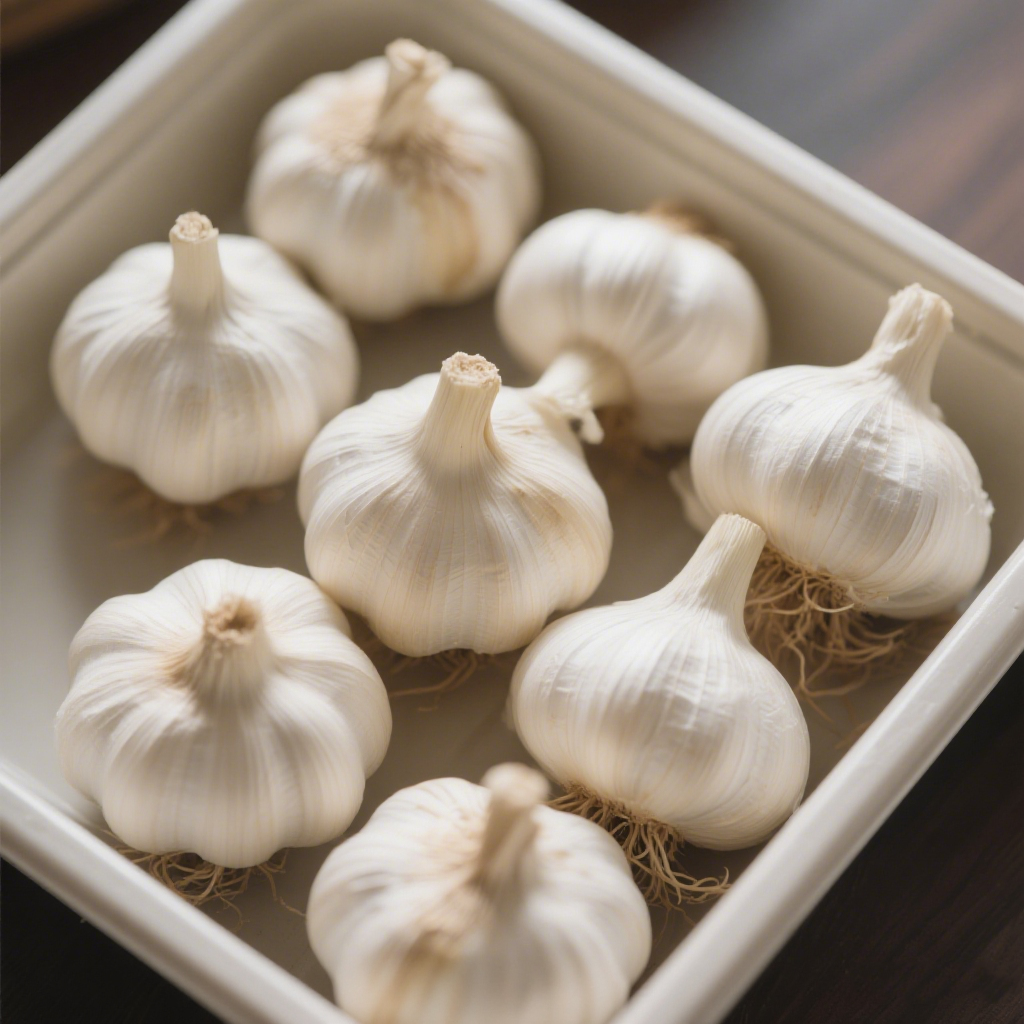
 fresh garlic bulbs used as raw material for premium garlic powder production" style="display: block; margin: 30px auto; max-width: 100%; height: auto; border-radius: 5px;">

 178
|
178
|
 fresh garlic transportation
temperature humidity control
supply chain management
garlic quality preservation
logistics monitoring
fresh garlic transportation
temperature humidity control
supply chain management
garlic quality preservation
logistics monitoring
 126
|
fresh tomato export standards
lycopene nutritional benefits
processed tomato specifications
retail tomato quality criteria
international agri-supply chain
126
|
fresh tomato export standards
lycopene nutritional benefits
processed tomato specifications
retail tomato quality criteria
international agri-supply chain
 255
|
export ginger cold chain transport
ginger temperature management
fresh produce cold chain logistics
breathable packaging for ginger
GlobalGAP export standards
255
|
export ginger cold chain transport
ginger temperature management
fresh produce cold chain logistics
breathable packaging for ginger
GlobalGAP export standards