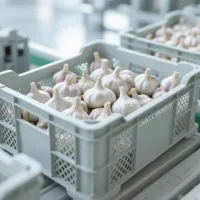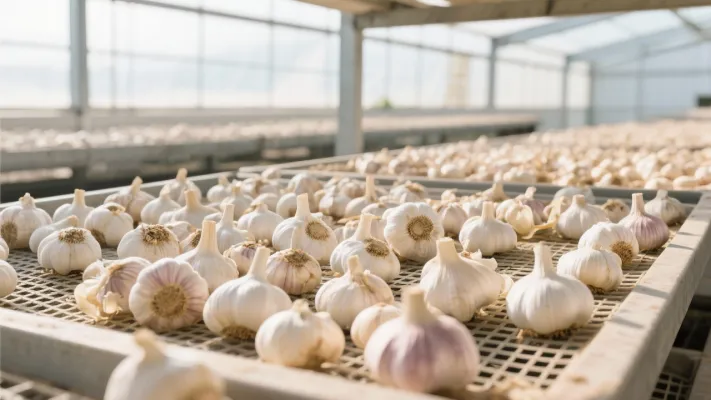
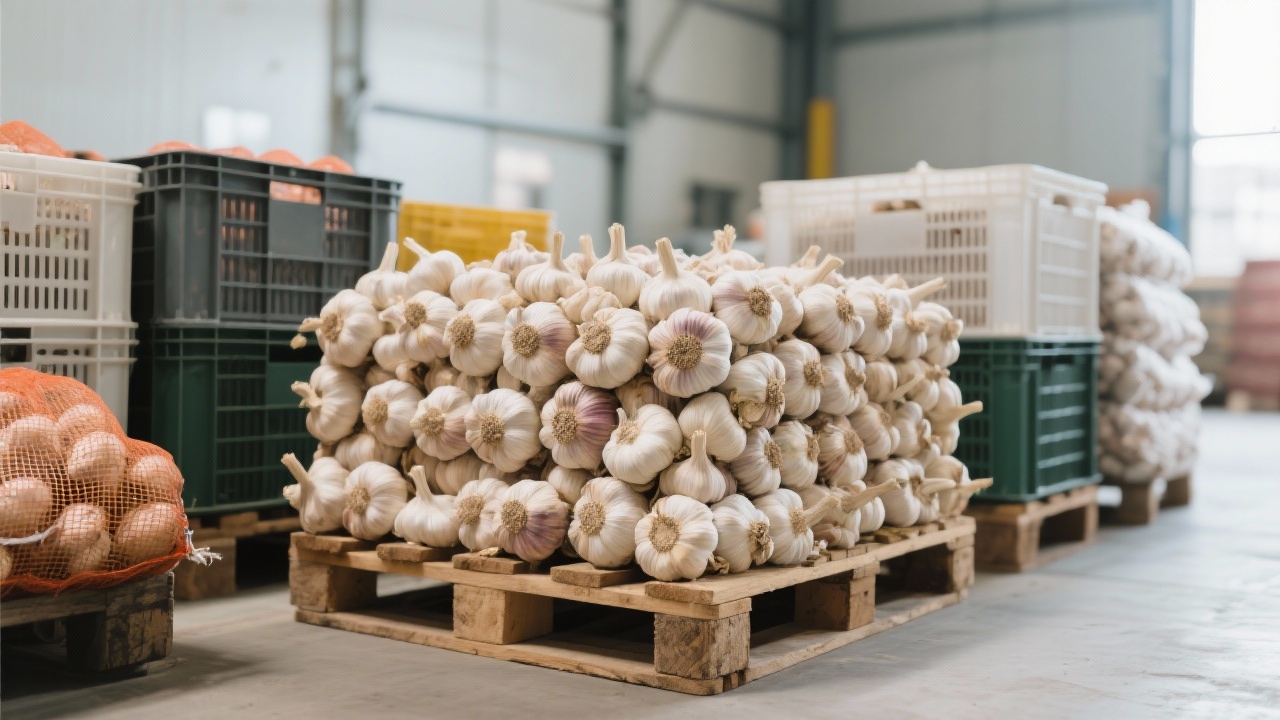
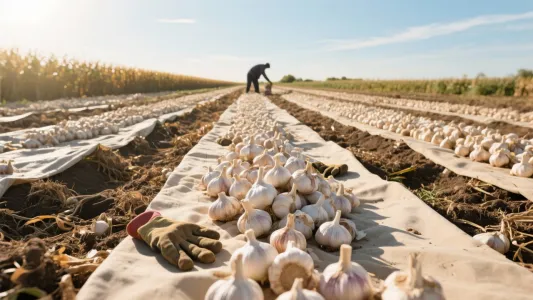
When exporting fresh garlic to global markets, maintaining quality from harvest to the final buyer is a complex challenge. Long-distance transportation often leads to issues such as sprouting, mold growth, and loss of aroma — all of which can damage brand reputation and reduce profit margins.
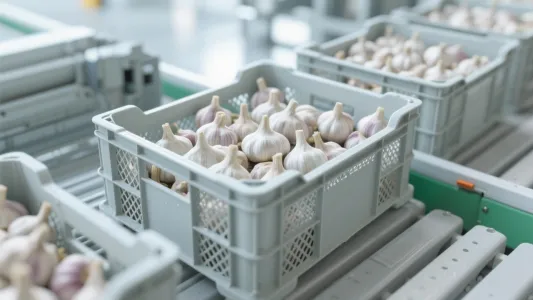
Modern cold chain logistics now rely on real-time temperature and humidity monitoring systems installed in refrigerated containers and trucks. According to industry standards, the optimal storage range for fresh garlic is between 0–4°C with relative humidity maintained at 75–85%. Deviations outside this window significantly increase spoilage risks:
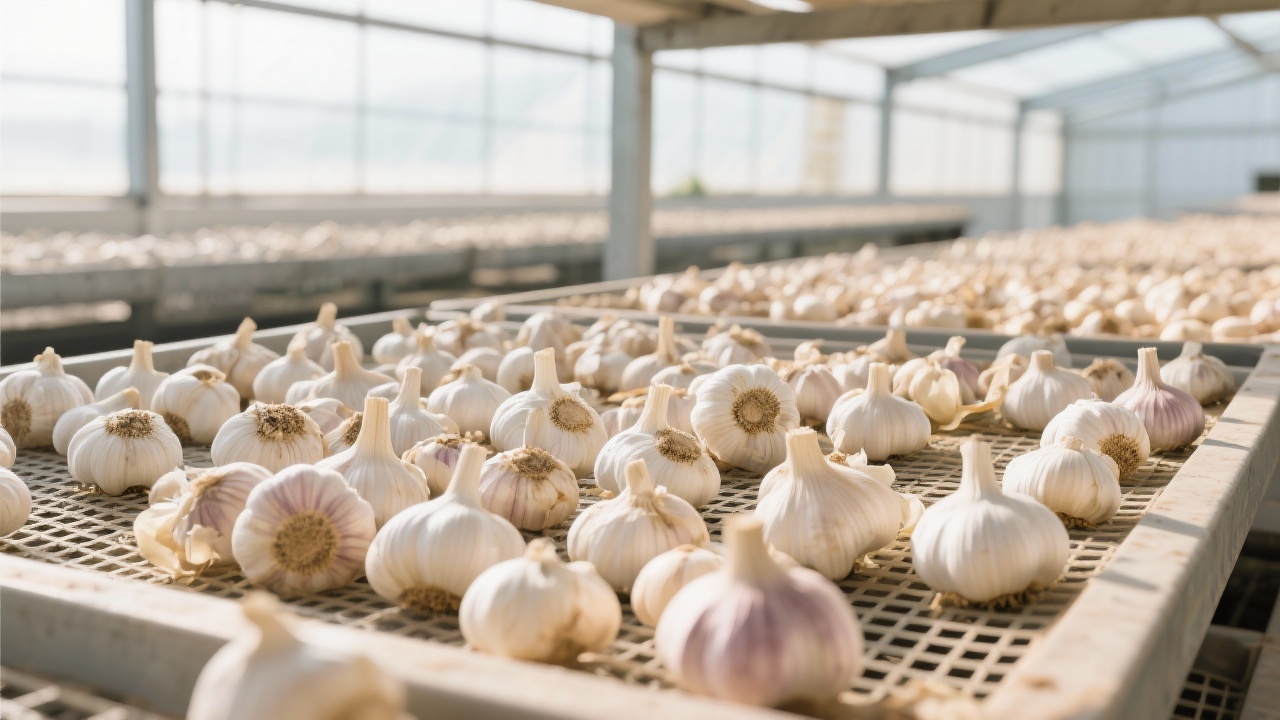
Successful export requires more than just cooling — it demands a full-system approach:
Our clients report up to 98% product integrity retention when these steps are followed consistently — far exceeding average industry performance (typically 75–85%).
For entry into EU, North America, or Gulf countries, adherence to certifications like GlobalG.A.P. and HACCP isn’t optional — it’s mandatory. These frameworks require documented proof of temperature control throughout the supply chain. We work closely with third-party auditors to ensure every shipment meets or exceeds these benchmarks.
In one case study, an exporter in Shandong Province reduced rejected consignments by 60% after implementing our integrated monitoring system — validated by an SGS report confirming consistent compliance with ISO 22000 standards.
Discover how our precision cold chain solutions have helped exporters achieve higher yields, fewer rejections, and stronger client trust — even in challenging markets.
Download Our Free Garlic Cold Chain White Paper
 311
|
311
|
 Garlic paste export challenges
Flavor stability solutions
Garlic processing technology
Food export compliance standards
HACCP certification application
178
|
fresh garlic transportation
temperature humidity control
supply chain management
garlic quality preservation
logistics monitoring
Garlic paste export challenges
Flavor stability solutions
Garlic processing technology
Food export compliance standards
HACCP certification application
178
|
fresh garlic transportation
temperature humidity control
supply chain management
garlic quality preservation
logistics monitoring
 63
|
fresh garlic export preservation
cold chain logistics management
garlic packaging solutions
agricultural supply chain quality control
international certification standards
429
|
garlic moisture control
vacuum packaging for garlic
deoxidizer application
long-distance garlic preservation
fresh garlic packaging technology
63
|
fresh garlic export preservation
cold chain logistics management
garlic packaging solutions
agricultural supply chain quality control
international certification standards
429
|
garlic moisture control
vacuum packaging for garlic
deoxidizer application
long-distance garlic preservation
fresh garlic packaging technology
 289
|
fresh garlic transportation
supply chain quality management
garlic packaging solutions
temperature and humidity control
international food safety standards
289
|
fresh garlic transportation
supply chain quality management
garlic packaging solutions
temperature and humidity control
international food safety standards