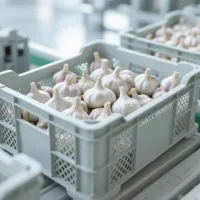
Efficient cold chain logistics are paramount for export-focused ginger suppliers to maintain product freshness and quality. Maintaining a stable temperature range of 10-13°C throughout the entire supply chain — from harvest site pre-cooling, loading phases to transport monitoring — minimizes spoilage and extends shelf life, enhancing buyer satisfaction and brand reputation.
Ginger is highly sensitive to temperature fluctuations. Research indicates that storing ginger between 10-13°C slows metabolic processes and microbial growth while preventing chilling injuries that occur below 8°C. Temperatures above 15°C increase respiration rates, accelerating spoilage and weight loss by up to 20% within a week. Hence, cold chain precision within this narrow window is critical to preserve the pungency, texture, and visual appeal of ginger during export journeys that can span multiple days or weeks.
Immediately after harvest, ginger should undergo forced-air or hydrocooling to rapidly lower field temperatures close to 10°C. This process drastically reduces field heat and slows enzymatic activity. Industrial-grade pre-cooling chambers with temperature uniformity ±0.5°C are recommended. Over 90% of exporters who implement consistent pre-cooling report a 15-25% decrease in overall product losses during transport.
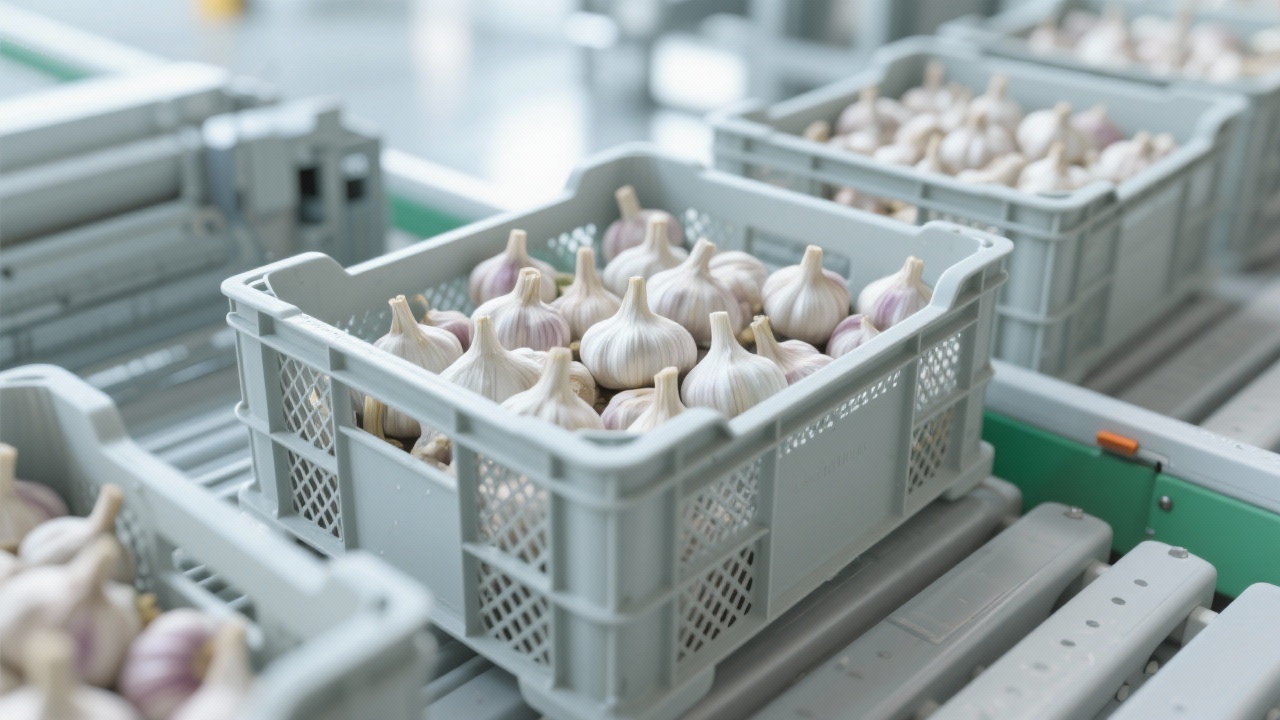
Loading into refrigerated containers must ensure internal temperatures are stabilized at 10-13°C before sealing. Sudden temperature rises due to warm air pockets or cold spots cause condensation and cold stress. Key factors include careful stacking configurations—recommended maximum pallet height is 1.5 meters to avoid excessive compression and uneven air circulation—and the use of breathable packaging materials.
High-performance moisture-controlling packaging such as breathable perforated films combined with super-absorbent pads effectively mitigate cold condensate, which otherwise fosters rot and fungal growth. Such packaging can extend ginger shelf life by up to 40%.
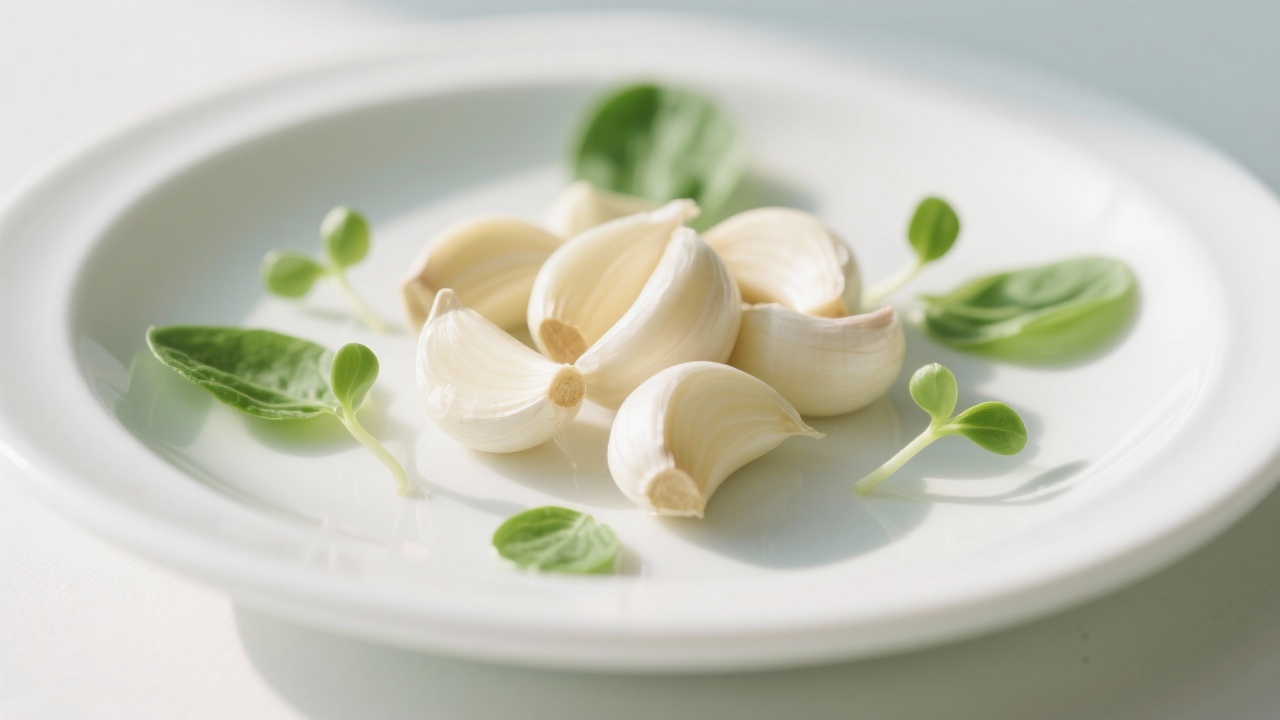
Deploying temperature-humidity data loggers with wireless transmission enables instant alerts on any deviations beyond the 10-13°C threshold. Devices with ±0.3°C accuracy and 5-minute logging intervals are industry standard. Importantly, real-time GPS-enabled tracking integrates location with environmental conditions, enabling logistics coordinators to take corrective actions proactively.
Decoding temperature graphs allows timely identification of cold spots, temperature spikes, or condensation events. For instance, a sudden drop below 8°C typically signals refrigeration malfunctions, requiring immediate intervention to safeguard product integrity.
Condensation inside containers occurs when warm moist air contacts colder surfaces, causing water accumulation that jeopardizes ginger quality. Solution: enhancing container airflow using strategically placed vents and matching packaging with humidity absorbers significantly reduces condensate formation.
Over-stacking generates pressure damage and inhibits airflow, while sparse stacking wastes container volume and increases temperature variability. Optimizing pallet density (about 65–75% fullness) balances airflow and load stability, as demonstrated in recent supply chain audits.
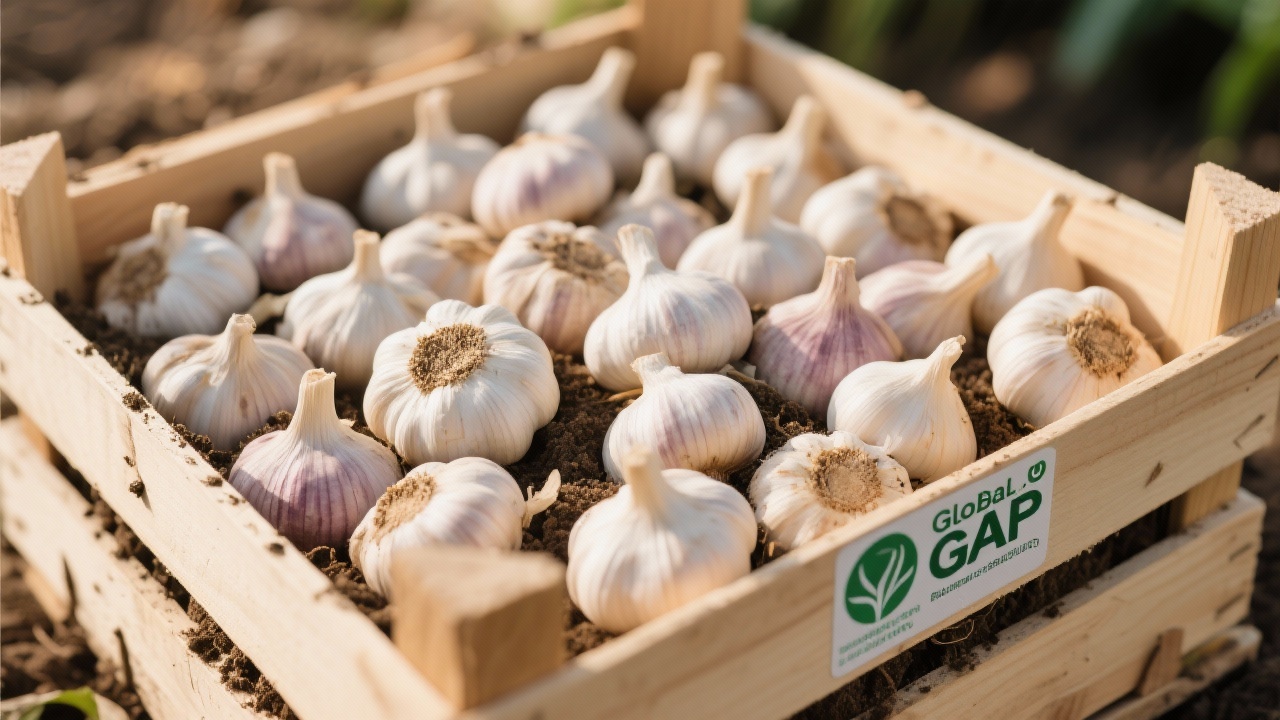
Cold chain efficacy extends beyond physical steps; synchronized documentation such as phytosanitary certificates, refrigerated transport declarations, and temperature logs is essential. Ensuring these documents are accurate and promptly submitted accelerates customs clearance, preventing delays that may compromise ginger freshness.
Using integrated digital platforms for filing and sharing pertinent paperwork with logistics and customs agents improves transparency and reduces human error.
Unlock superior export ginger quality and reliability by adopting cutting-edge breathable packaging paired with intelligent temperature & humidity monitoring systems. These solutions enable data-backed decision-making and rapid response during transit, reducing spoilage risks and enhancing buyer confidence.

 160
|
160
|
 garlic processing certification
HACCP for garlic products
ISO22000 food safety
export garlic compliance
food safety management system
garlic processing certification
HACCP for garlic products
ISO22000 food safety
export garlic compliance
food safety management system
 349
|
fresh garlic supply chain management
temperature and humidity control in garlic transport
garlic export logistics
food safety certification HACCP
agricultural cold chain optimization
349
|
fresh garlic supply chain management
temperature and humidity control in garlic transport
garlic export logistics
food safety certification HACCP
agricultural cold chain optimization
 341
|
Fresh garlic bulb transportation
Mildew prevention technology
Post - harvest treatment
Packaging solutions
Supply chain quality management
341
|
Fresh garlic bulb transportation
Mildew prevention technology
Post - harvest treatment
Packaging solutions
Supply chain quality management
 212
|
Fresh garlic bulb preservation technology
Long - distance transport temperature - humidity control
Garlic packaging solutions
Agricultural product supply chain management
Export garlic quality standards
212
|
Fresh garlic bulb preservation technology
Long - distance transport temperature - humidity control
Garlic packaging solutions
Agricultural product supply chain management
Export garlic quality standards
 255
|
export ginger cold chain transport
ginger temperature management
fresh produce cold chain logistics
breathable packaging for ginger
GlobalGAP export standards
255
|
export ginger cold chain transport
ginger temperature management
fresh produce cold chain logistics
breathable packaging for ginger
GlobalGAP export standards