
In the outbound logistics of fresh ginger, stringent temperature and humidity control is paramount to preserving product freshness and quality. Central to this effort is the effective deployment and interpretation of temperature and humidity data loggers—devices that provide a scientific backbone to cold chain monitoring. This article demystifies best practices for selecting, positioning, and reading these instruments throughout the ginger supply chain, illuminating how data-driven insights help exporters maintain regulatory compliance and satisfy demanding global customers.
Deploying the right recording devices begins with understanding the unique temperature and humidity sensitivity of ginger, which ideally requires maintaining a temperature range of 10–15°C with relative humidity levels between 85% to 95%. High-precision loggers with ±0.3°C temperature accuracy and ±3% RH accuracy are recommended to capture subtle fluctuations. Placement strategy should cover multiple critical points: within pallet centers, near container doors, and adjacent to cooling units to detect cold spots or hotspots. Sampling frequency between 5 to 15 minutes balances data granularity with storage limitations.
Strategically locating loggers supports early anomaly detection—if stacks of ginger compress sensors or cool air bypasses monitored spots, the data uncovers such inconsistencies. Industry standards such as Global GAP and ISO 22000 provide frameworks for documenting these practices rigorously.
Data collected from temperature and humidity loggers bridges the gap between theoretical cold chain protocols and real-life transport conditions. Beginning at the ginger farms, pre-cooling aims to quickly reduce product temperature before loading into refrigerated containers. Logged data verifies that pre-cooling rooms maintain target temperature bands and acceptable humidity, averting early-quality degradation.
During transit, temperature excursions indicated by upward spikes on Logger A (located mid-container) correlated with uneven air circulation identified in cooling unit maintenance reports. Post-transport data review showed relative humidity drops below 80% in some zones, a known contributor to ginger dehydration and reduced shelf life.
One shipment experienced localized ginger decay in the container's rear zone. Temperature-humidity graph analysis showed repeated temperature elevation exceeding 18°C and RH dips below 75% during the middle of the journey (see below chart), exceeding the recommended limits and triggering microbial spoilage.

Analysis pinpointed that improper stacking blocked air vents—an operational oversight. The corrective action involved staff training for optimal pallet configuration and adoption of breathable packaging membranes combined with moisture-absorbing pads. This intervention stabilized internal microclimates, preventing similar issues in subsequent shipments.
Accurate logger data not only facilitates operational improvements but also strengthens cooperation with customs and inspection entities. Attaching verified temperature records to clearance documents evidences cold chain compliance, expediting approvals and building buyer confidence in the exported product's integrity.
Additionally, electronic sharing platforms enhance transparency by giving stakeholders—from growers to retail partners—real-time access to shipment condition reports. This traceability is a strategic asset in premium fresh produce markets.
While loggers monitor the environment, packaging innovations optimize it. Use of breathable films facilitates controlled gas exchange, reducing moisture buildup and condensation risks. Complementary absorptive pads capture excess moisture, mitigating pathogen proliferation while maintaining RH within ideal ranges.
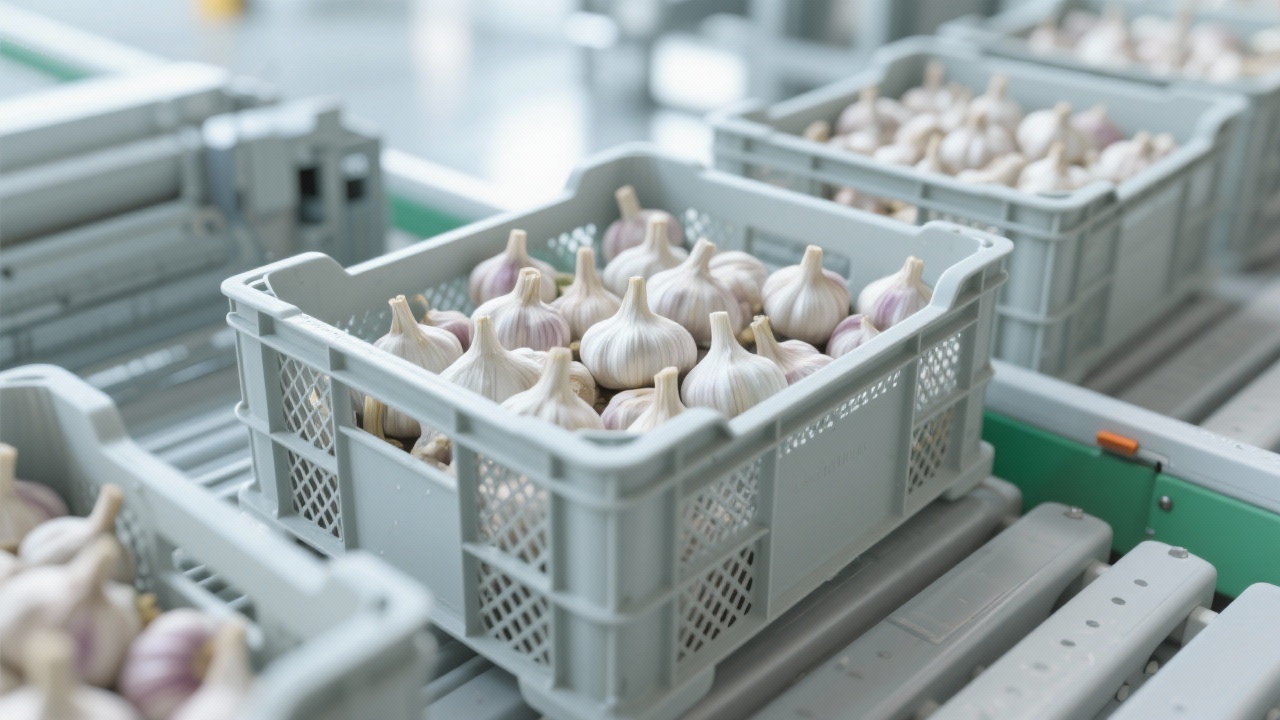
This dual approach—precision data logging paired with advanced packaging—forms a formidable barrier against physical and biological degradation of ginger during transit.
Temperature and humidity data are critical but only as powerful as the insights and actions they enable. What cold chain anomalies have you faced in fresh ginger logistics? Share your experiences in the comments below to foster community learning and continuous improvement.
 349
|
349
|
 fresh garlic supply chain management
temperature and humidity control in garlic transport
garlic export logistics
food safety certification HACCP
agricultural cold chain optimization
223
|
fresh garlic transportation
temperature control in cold chain
humidity management for produce
garlic保鲜技术
international food logistics
fresh garlic supply chain management
temperature and humidity control in garlic transport
garlic export logistics
food safety certification HACCP
agricultural cold chain optimization
223
|
fresh garlic transportation
temperature control in cold chain
humidity management for produce
garlic保鲜技术
international food logistics
 89
|
fresh garlic packaging
vacuum packaging garlic
net bag packaging
garlic shelf life extension
food supply chain management
89
|
fresh garlic packaging
vacuum packaging garlic
net bag packaging
garlic shelf life extension
food supply chain management
 212
|
Fresh garlic bulb preservation technology
Long - distance transport temperature - humidity control
Garlic packaging solutions
Agricultural product supply chain management
Export garlic quality standards
212
|
Fresh garlic bulb preservation technology
Long - distance transport temperature - humidity control
Garlic packaging solutions
Agricultural product supply chain management
Export garlic quality standards
 204
|
ginger export cold chain
condensation prevention in refrigerated transport
ginger temperature control
breathable packaging for ginger
temperature humidity monitoring
204
|
ginger export cold chain
condensation prevention in refrigerated transport
ginger temperature control
breathable packaging for ginger
temperature humidity monitoring