In the global trade of ginger, maintaining the quality of the product during transportation is of utmost importance. Ginger is a highly perishable commodity, and any deviation in temperature and humidity can lead to significant losses. Scientific research has shown that keeping the temperature within the range of 10 - 13°C is crucial for preserving the freshness and quality of ginger. This temperature range helps to slow down the respiration rate of ginger, reducing the risk of spoilage and maintaining its nutritional value.
The cold chain process for exporting ginger involves several key steps, each of which requires strict temperature and humidity control. Starting from pre - cooling at the origin, the ginger needs to be quickly cooled to the appropriate temperature before being loaded into the container. During the loading process, it is essential to ensure that the temperature inside the container remains stable. Real - time monitoring of temperature and humidity during transportation is also necessary to detect any potential issues promptly.
Let's take a real - world case as an example. A ginger exporter once faced a problem of local rotting in the shipment. After investigation, it was found that improper stacking density and the formation of condensate water were the main causes. High stacking density restricted air circulation, leading to uneven temperature distribution, while condensate water provided a breeding ground for bacteria. To address these issues, exporters need to pay attention to the stacking method and take measures to prevent the formation of condensate water.
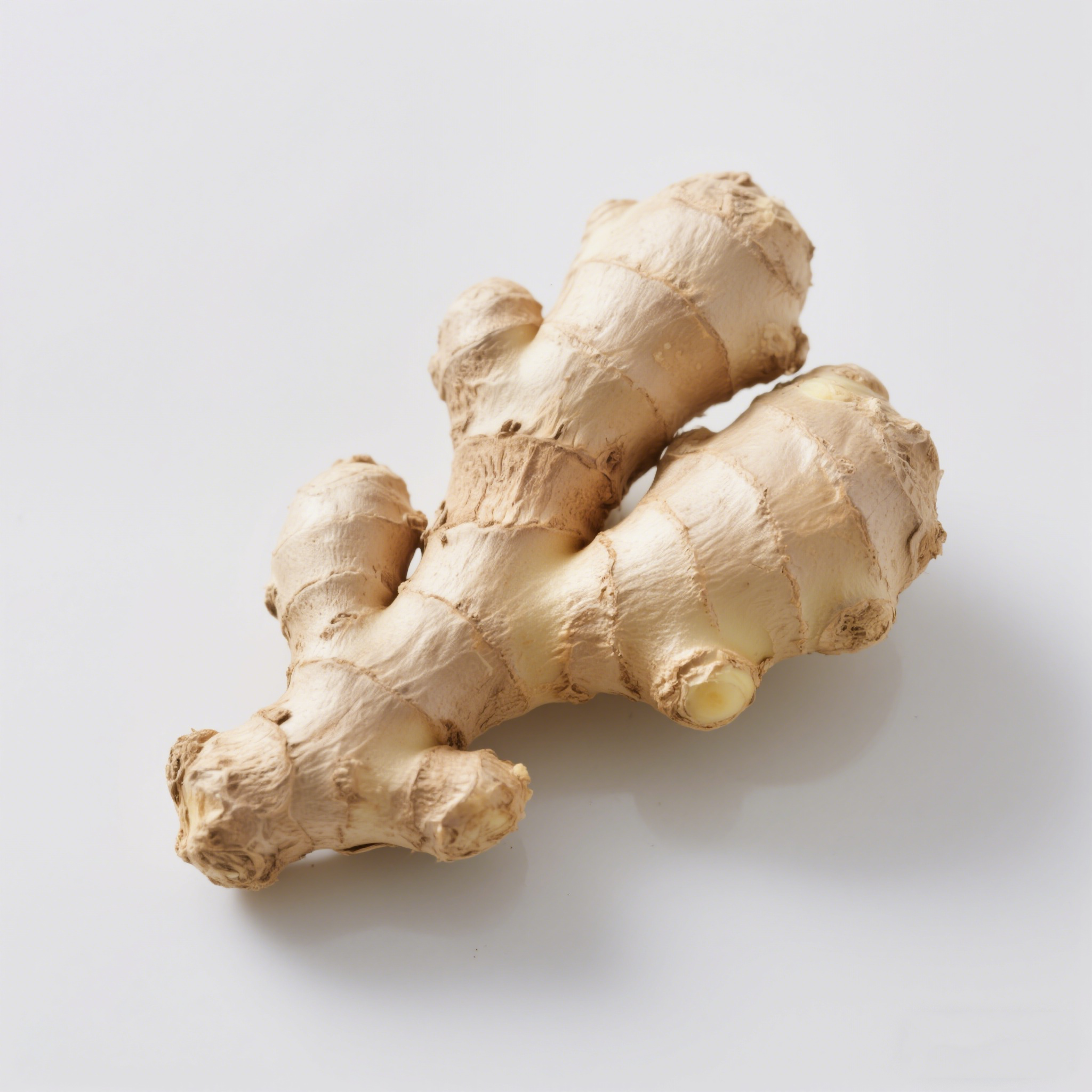
Choosing the right packaging materials is another important aspect of ginger cold chain management. Breathable films and moisture - absorbing pads are two advanced packaging materials that can effectively improve the storage environment of ginger. Breathable films allow for proper air exchange, reducing the risk of mold growth, while moisture - absorbing pads can absorb excess moisture, preventing the formation of condensate water.
For example, a certain brand of breathable film has excellent air permeability, which can maintain a stable micro - environment around the ginger. When used in combination with a high - quality moisture - absorbing pad, it can significantly extend the shelf life of ginger during transportation.
Temperature and humidity recorders play a vital role in ginger cold chain management. These devices can accurately record the temperature and humidity data during the entire transportation process. Installing the recorder in the right position is crucial for obtaining accurate data. Generally, it should be placed in a central location within the container to ensure that it can monitor the overall environment.
Interpreting the data from the recorder is also an important skill. By analyzing the data, exporters can identify any abnormal temperature or humidity changes and take corresponding measures in a timely manner. For instance, if the temperature suddenly rises, it may indicate a problem with the refrigeration system, and immediate action should be taken to avoid product damage.
In addition to technical aspects, proper document management is also essential for ensuring the smooth operation of the cold chain logistics. All relevant customs clearance documents should be prepared in advance to avoid any delays at the border. These documents include temperature and humidity records, which can prove that the ginger has been transported under the appropriate conditions.
In conclusion, mastering the temperature and humidity monitoring technology in the ginger export cold chain is essential for exporters, logistics companies, and buyers. By following the key steps, using advanced packaging materials, and effectively utilizing temperature and humidity recorders, they can ensure the freshness and quality of ginger during long - distance transportation. If you want to learn more about professional ginger cold chain management solutions, click here.
 351
|
351
|
 Export ginger cold chain
Ginger temperature control strategy
Cold chain logistics management
Ginger packaging materials
Temperature - humidity monitoring
Export ginger cold chain
Ginger temperature control strategy
Cold chain logistics management
Ginger packaging materials
Temperature - humidity monitoring
 328
|
Exported ginger cold chain transportation
Ginger temperature control technology
Cold chain logistics management
Fresh agricultural product preservation
GlobalGAP certification
328
|
Exported ginger cold chain transportation
Ginger temperature control technology
Cold chain logistics management
Fresh agricultural product preservation
GlobalGAP certification
 429
|
garlic moisture control
vacuum packaging for garlic
deoxidizer application
long-distance garlic preservation
fresh garlic packaging technology
429
|
garlic moisture control
vacuum packaging for garlic
deoxidizer application
long-distance garlic preservation
fresh garlic packaging technology
 289
|
fresh garlic transportation
supply chain quality management
garlic packaging solutions
temperature and humidity control
international food safety standards
49
|
export ginger cold chain
temperature control management
ginger transportation techniques
cold chain packaging materials
temperature humidity monitoring
289
|
fresh garlic transportation
supply chain quality management
garlic packaging solutions
temperature and humidity control
international food safety standards
49
|
export ginger cold chain
temperature control management
ginger transportation techniques
cold chain packaging materials
temperature humidity monitoring