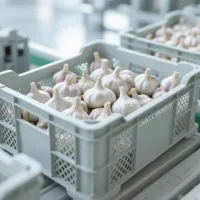
For exporters of fresh ginger, maintaining a stable cold chain between 10–13°C isn’t just best practice—it’s essential for preventing spoilage, condensation damage, and shipment rejection at customs. According to the ISO 22000 Clause 8.5.2, temperature control during transport must be documented and verified to ensure food safety compliance across international borders.
Many exporters make the mistake of placing loggers only at the container floor level. In reality, temperature gradients can vary by up to 3°C within the same container—especially when stacked high or unevenly. Best practice? Install loggers at three key levels: bottom (0.5m), middle (1.5m), and top (2.5m). This gives you real-time visibility into airflow patterns and hot/cold spots that could lead to localized rot.
Our clients using smart temperature tags from our IoT-enabled logging system have reported zero cargo loss over the past 18 months—a result of early detection and actionable alerts based on live data.
A typical ginger shipment might show 48 hours of stable readings followed by a sudden spike above 13°C. Don’t ignore this! It often indicates poor ventilation or improper stacking density. For example, if the logger shows humidity exceeding 85% alongside rising temps, it signals potential condensation risk—especially in tropical routes like India to UAE.
When such anomalies occur, act fast: adjust pallet spacing to allow air circulation, or switch to breathable packaging materials like perforated polyethylene films. These small changes reduce mold growth by up to 70%, according to a 2023 study published in Journal of Food Engineering.
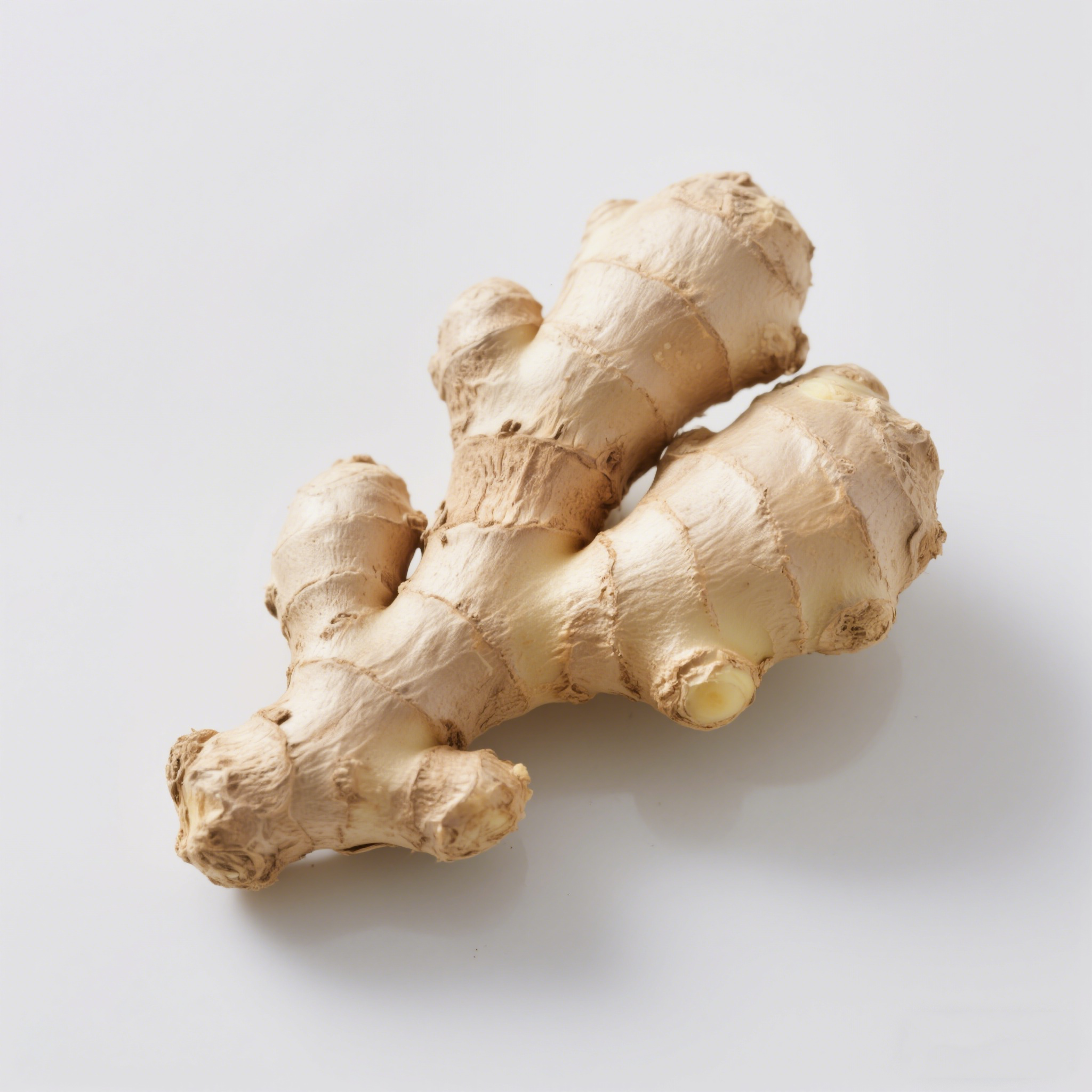
Global buyers increasingly demand verifiable proof of cold chain integrity—not just as a checkbox for HACCP certification, but as a trust signal. A well-documented temperature profile from start to finish (from pre-cooling in the field to final delivery) can mean the difference between winning a contract and being disqualified due to "unexplained temperature excursions."
“In our experience, even minor deviations in ginger transport can trigger major rejections at EU ports. We now require full temp logs before approving any export batch.”
— Dr. Lena Müller, QA Lead, German AgriExport GmbH
That’s why we recommend setting your logger to record every 15 minutes—not too frequent to overwhelm data, not too sparse to miss critical shifts. Combine this with automated email/SMS alerts when thresholds are breached, and you’ll turn reactive responses into proactive management.
If you’re serious about shipping premium ginger without compromise, don’t stop here. In our next article, we dive into how proper packaging material selection—like moisture-resistant liners and anti-condensation films—can further reduce spoilage risks in multi-modal transport (sea + rail + road).
Explore our intelligent temperature monitoring solution trusted by over 50 exporters worldwide.
Get Your Smart Logger System Now →
 362
|
362
|
 fresh garlic transportation
supply chain optimization
mold prevention in garlic
garlic packaging techniques
temperature and humidity control
fresh garlic transportation
supply chain optimization
mold prevention in garlic
garlic packaging techniques
temperature and humidity control
 119
|
fresh garlic packaging
mesh bag packaging
vacuum packaging
supply chain management
garlic freshness preservation
119
|
fresh garlic packaging
mesh bag packaging
vacuum packaging
supply chain management
garlic freshness preservation
 355
|
export ginger cold chain logistics
ginger temperature control management
fresh agricultural product cold chain transportation
ginger container loading techniques
international customs clearance in cold chain
316
|
fresh garlic quality assurance
long-distance garlic transportation
green cultivation
post-harvest processing
temperature and humidity control
355
|
export ginger cold chain logistics
ginger temperature control management
fresh agricultural product cold chain transportation
ginger container loading techniques
international customs clearance in cold chain
316
|
fresh garlic quality assurance
long-distance garlic transportation
green cultivation
post-harvest processing
temperature and humidity control
 362
|
garlic processing technology
garlic powder aroma retention
food export quality control
drying temperature management
garlic flavor stabilization
362
|
garlic processing technology
garlic powder aroma retention
food export quality control
drying temperature management
garlic flavor stabilization