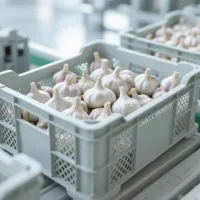
For exporters of fresh ginger to Europe, the Middle East, or North America, cold condensation during long-haul shipping is one of the biggest hidden threats to product quality. A recent case study from a Guangdong-based exporter revealed that up to 27% of their shipment to Dubai was rejected due to localized rot caused by moisture buildup inside containers — not because of poor handling, but improper temperature control.
Research from the International Institute of Refrigeration shows that maintaining a stable temperature between 10°C and 13°C significantly reduces microbial growth and minimizes condensation risk in perishable goods like ginger. Below 10°C, cellular activity slows too much — leading to chilling injury. Above 13°C, ethylene production increases, accelerating spoilage. This narrow band is where ginger stays crisp, aromatic, and visually appealing upon arrival.
One successful exporter in Yunnan achieved a 98% acceptance rate on their U.S. shipments after implementing pre-cooling at 12°C before loading into refrigerated containers. Their key step? Using real-time data loggers to monitor internal container conditions — something many small-to-mid-sized suppliers overlook.
Even with perfect packaging, poor logistics execution can undo all your efforts:
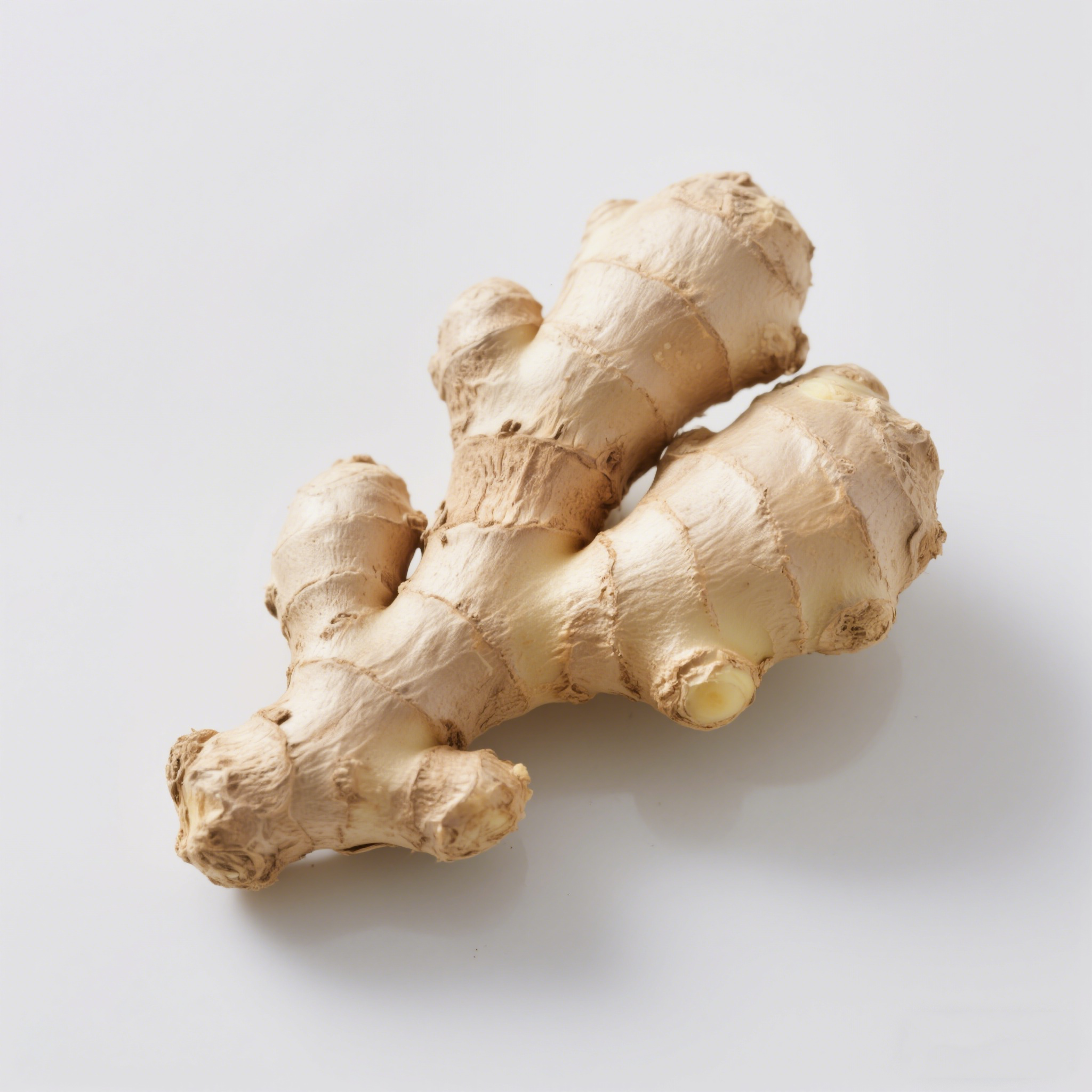
Most exporters don't know how to interpret the data from their temperature recorders. Here’s what to look for:
When you start tracking this data, you’ll see patterns — and those patterns become actionable insights. One UK buyer recently switched suppliers after seeing our client’s detailed temperature logs, saying, “It’s not just about price — it’s about trust built through transparency.”
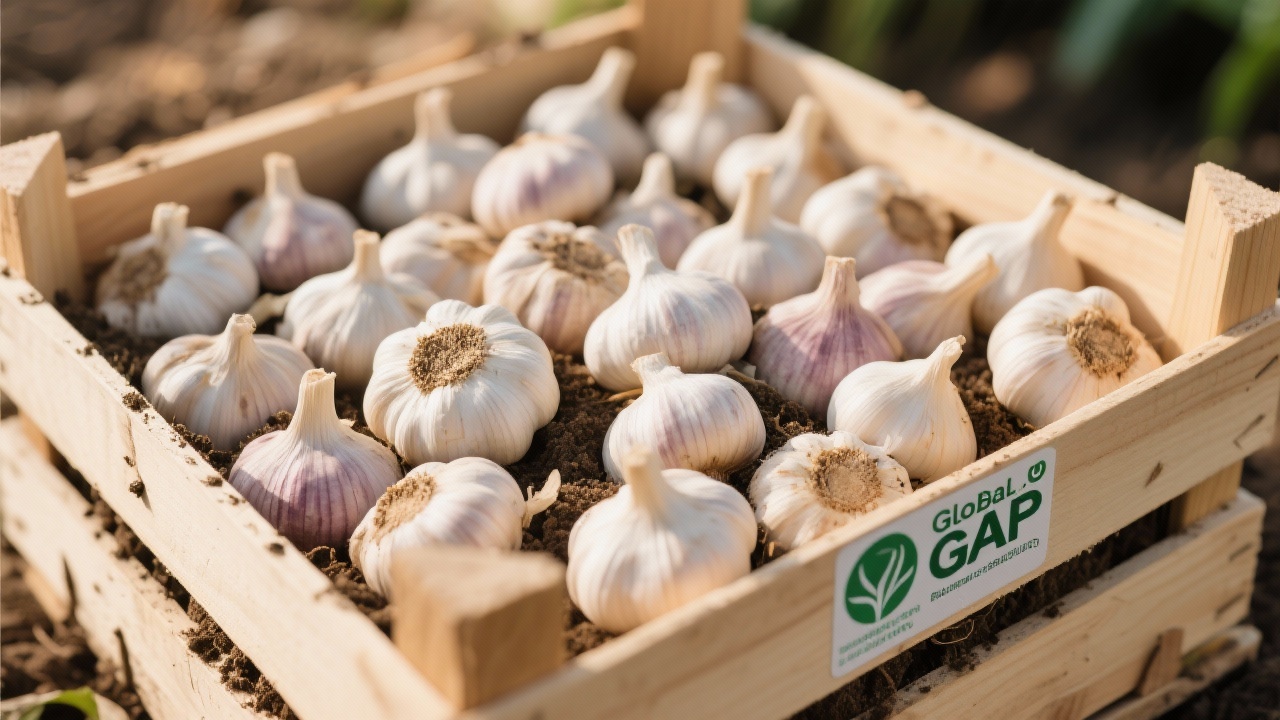
Even with perfect internal conditions, customs delays can cause temperature shifts. Ensure your Incoterms (e.g., FCA, CIF) align with your logistics provider's capabilities. Include a Certificate of Origin, Phytosanitary Certificate, and a signed Temperature Log as part of the shipment documentation. These documents reduce inspection time by up to 60%, according to a 2023 study by DHL Global Forwarding.
Ready to ship ginger that looks as good at the destination as it did at the farm?
Get Our Free Cold Chain Checklist for Export Ginger
 362
|
362
|
 fresh garlic transportation
supply chain optimization
mold prevention in garlic
garlic packaging techniques
temperature and humidity control
fresh garlic transportation
supply chain optimization
mold prevention in garlic
garlic packaging techniques
temperature and humidity control
 119
|
fresh garlic packaging
mesh bag packaging
vacuum packaging
supply chain management
garlic freshness preservation
119
|
fresh garlic packaging
mesh bag packaging
vacuum packaging
supply chain management
garlic freshness preservation
 89
|
fresh garlic packaging
vacuum packaging garlic
net bag packaging
garlic shelf life extension
food supply chain management
89
|
fresh garlic packaging
vacuum packaging garlic
net bag packaging
garlic shelf life extension
food supply chain management
 74
|
Fresh garlic mildew prevention
Antiseptic packaging technology
Supply chain management
Temperature - controlled transportation
Agricultural product certification
74
|
Fresh garlic mildew prevention
Antiseptic packaging technology
Supply chain management
Temperature - controlled transportation
Agricultural product certification
 299
|
export ginger cold chain
ginger temperature control
cold chain logistics management
fresh produce refrigeration
temperature monitoring in shipping
299
|
export ginger cold chain
ginger temperature control
cold chain logistics management
fresh produce refrigeration
temperature monitoring in shipping