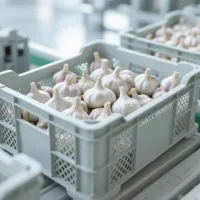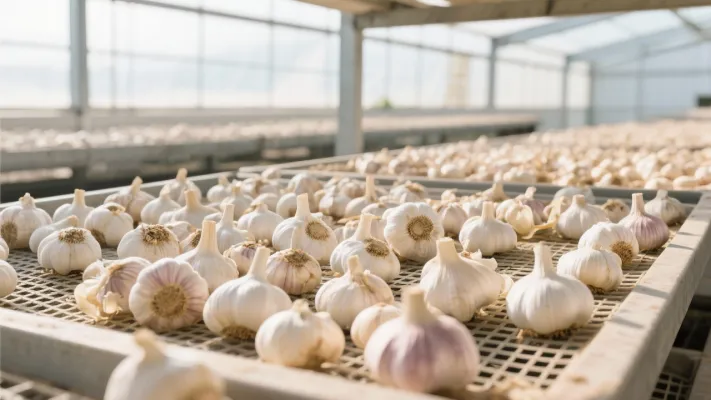
Export ginger cold chain logistics plays a crucial role in maintaining the quality of ginger during transportation. The scientific basis for temperature control strategy lies in the fact that a constant temperature range of 10 - 13°C is essential for preserving the quality of ginger. Research shows that within this temperature range, the metabolic rate of ginger can be effectively controlled, reducing the risk of decay and maintaining its freshness.
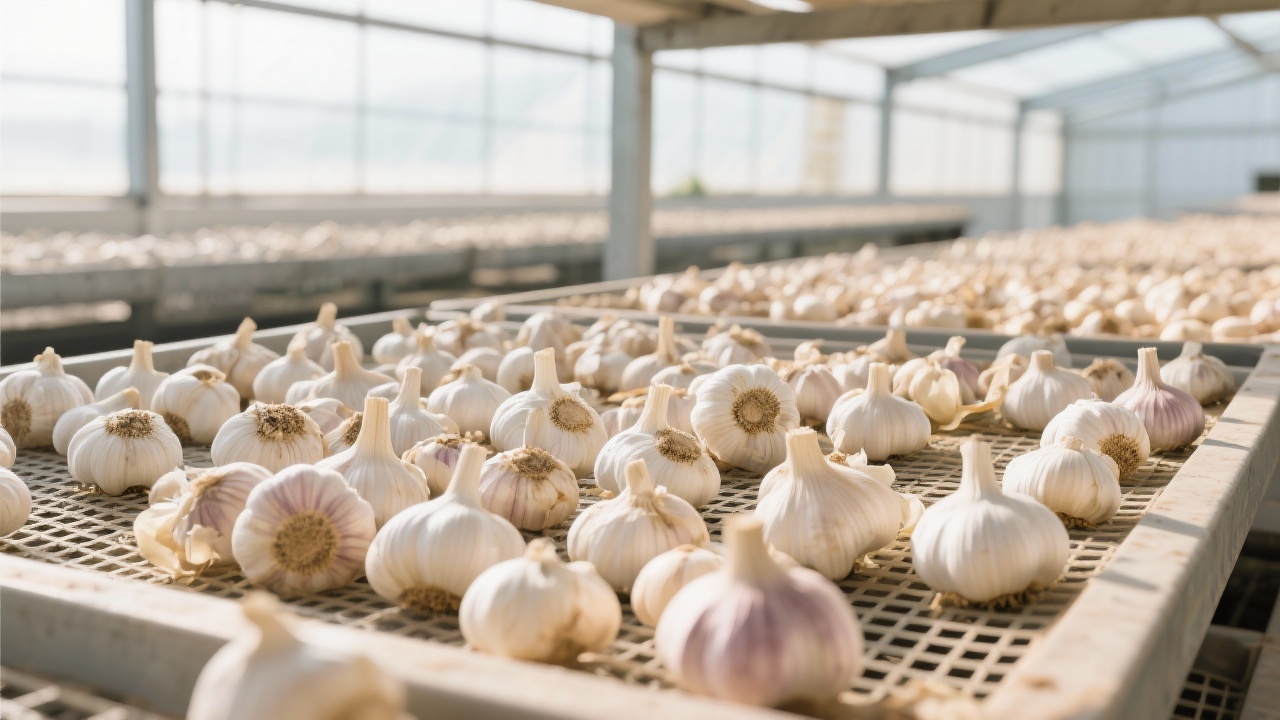
Throughout the transportation process, temperature control is a multi - step process. At the origin, pre - cooling is the first step. It can quickly lower the temperature of ginger to the appropriate range, reducing the initial heat load. When it comes to the loading process, proper loading methods are necessary. Packing ginger too tightly or loosely can both lead to temperature differences within the container. During transportation, continuous monitoring is required. For example, using temperature sensors to record real - time temperature data. When unloading, temperature control also cannot be ignored. If the temperature difference between the container and the unloading environment is too large, it may cause condensation on the ginger, increasing the risk of decay.
Condensation is one of the main causes of ginger rot in cold chain logistics. It is formed when warm, moist air comes into contact with a cold surface. In the ginger cold chain, this often occurs during temperature changes, such as when the container enters a different climate zone. Improper stacking density can also lead to local rot. If the stacking density is too high, air circulation within the pile is restricted, resulting in poor ventilation and local high - humidity areas, which are breeding grounds for bacteria. On the contrary, if the stacking density is too low, it may not make full use of the container space, increasing transportation costs.
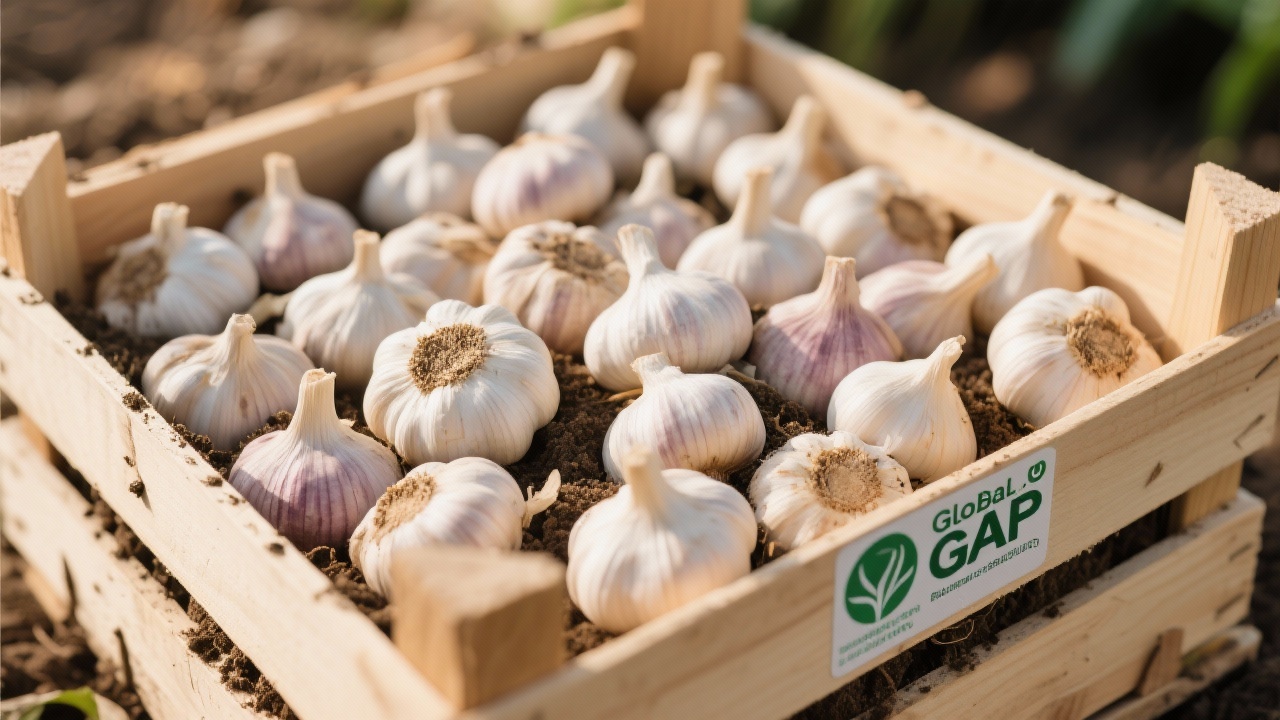
To solve the problem of condensation, advanced packaging materials can be used. For example, breathable films can allow air to circulate while preventing excessive moisture from entering. Moisture - absorbing pads can also be placed in the container to absorb excess moisture. Regarding stacking density, a scientific stacking plan should be developed based on the size and shape of the ginger, as well as the capacity of the container. This can ensure both good air circulation and efficient use of space.
Temperature and humidity recorders are essential tools in ginger cold chain logistics. They can accurately record the temperature and humidity changes during transportation. By analyzing the data, exporters and logistics partners can identify potential problems in time, such as temperature fluctuations or high - humidity periods. This data - based management can improve the efficiency and reliability of cold chain logistics.

Coordination with export clearance documents is also very important. Accurate temperature and humidity data recorded by the temperature and humidity recorders can be used as evidence to prove that the ginger has been transported under proper conditions, ensuring smooth customs clearance. This not only saves time but also reduces the risk of product rejection due to non - compliance.
For exporters and logistics partners in the ginger cold chain industry, adopting advanced packaging materials and scientific temperature control strategies is the key to ensuring the quality of ginger and efficient international customs clearance. If you want to learn more about advanced solutions for ginger cold chain logistics, click here to explore our professional technology and product offerings.

 362
|
362
|
 fresh garlic transportation
supply chain optimization
mold prevention in garlic
garlic packaging techniques
temperature and humidity control
fresh garlic transportation
supply chain optimization
mold prevention in garlic
garlic packaging techniques
temperature and humidity control
 179
|
fresh garlic transportation
temperature humidity control
supply chain management
garlic quality preservation
logistics monitoring
179
|
fresh garlic transportation
temperature humidity control
supply chain management
garlic quality preservation
logistics monitoring
 355
|
export ginger cold chain logistics
ginger temperature control management
fresh agricultural product cold chain transportation
ginger container loading techniques
international customs clearance in cold chain
355
|
export ginger cold chain logistics
ginger temperature control management
fresh agricultural product cold chain transportation
ginger container loading techniques
international customs clearance in cold chain
 475
|
ginger cold chain logistics
export ginger packaging solutions
breathable film for produce
moisture absorbent pads in shipping
ginger spoilage reduction
299
|
export ginger cold chain
ginger temperature control
cold chain logistics management
fresh produce refrigeration
temperature monitoring in shipping
475
|
ginger cold chain logistics
export ginger packaging solutions
breathable film for produce
moisture absorbent pads in shipping
ginger spoilage reduction
299
|
export ginger cold chain
ginger temperature control
cold chain logistics management
fresh produce refrigeration
temperature monitoring in shipping