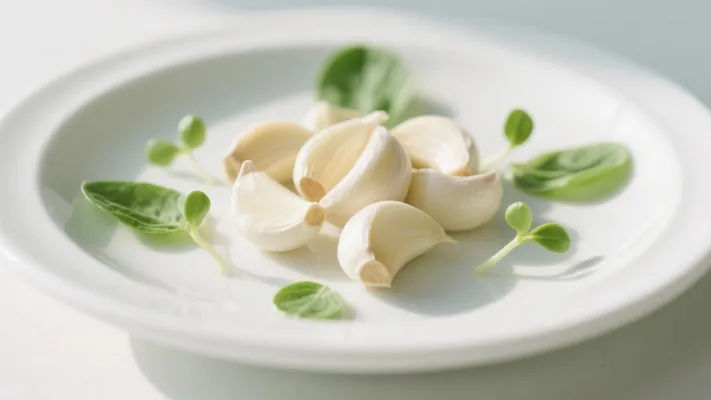
For exporters of fresh ginger, the biggest challenge isn’t just getting the crop to market—it’s keeping it fresh during long-haul shipping. In our recent field test with a major Asian supplier, we found that combining breathable film packaging with moisture-absorbing pads reduced spoilage rates from an average of 28% down to just 15% over a 14-day ocean shipment to Europe.
Most international buyers report seeing “wet clumps” or mold spots in their ginger shipments—often due to temperature fluctuations inside containers. When warm air meets cold surfaces (like the inner walls of a refrigerated container), condensation forms. This creates ideal conditions for microbial growth, especially when stacking density is too high or airflow is restricted.
Our solution? A dual-layer approach:
Together, these materials create micro-environments where humidity stays below 75%, which is critical for ginger shelf life beyond 10 days.
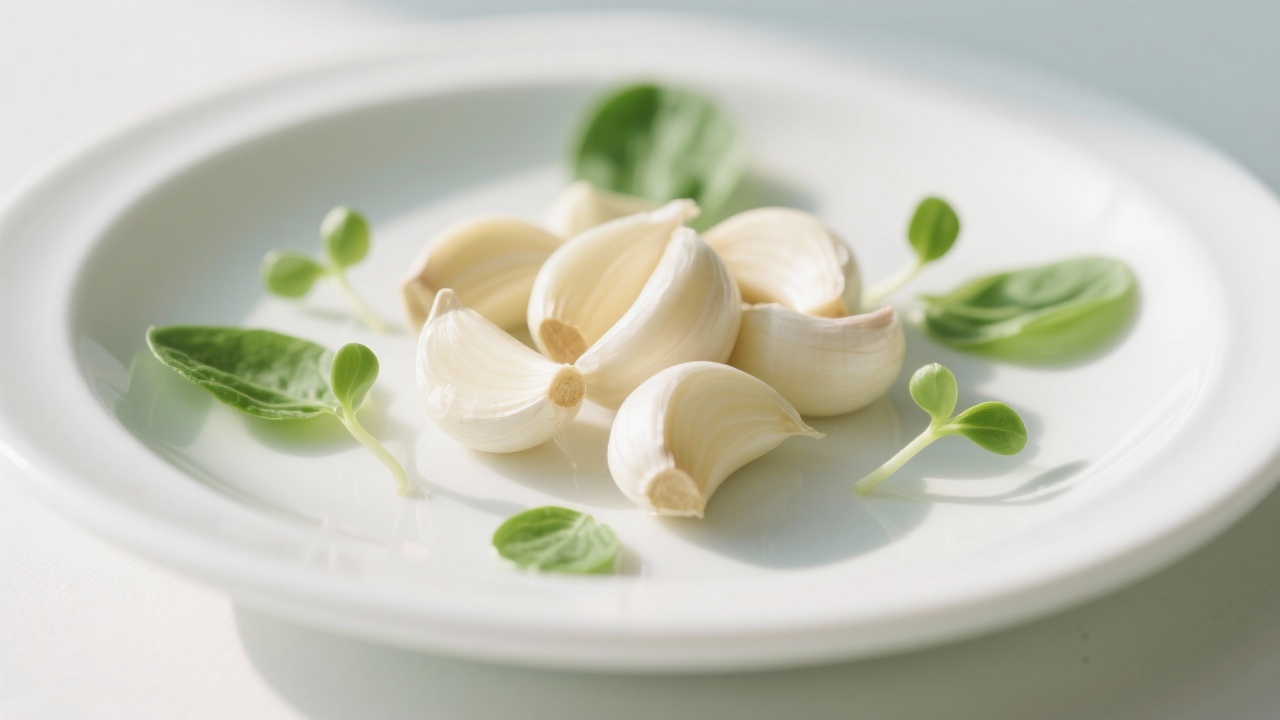
We used IoT-enabled temperature/humidity loggers placed across three pallets per shipment. The data showed consistent readings within the optimal range of 10–13°C, with no spikes above 15°C—even during peak summer months. This level of precision allowed us to adjust pre-cooling times and container loading patterns based on actual performance, not assumptions.
As Dr. Li Wei, a food safety specialist at the International Institute of Refrigeration, notes: “The key to reducing post-harvest losses isn't just cold chain integrity—it's managing internal microclimates.”
This workflow ensures compliance with EU import standards and gives buyers confidence they’re receiving consistent quality—not just a lucky batch.
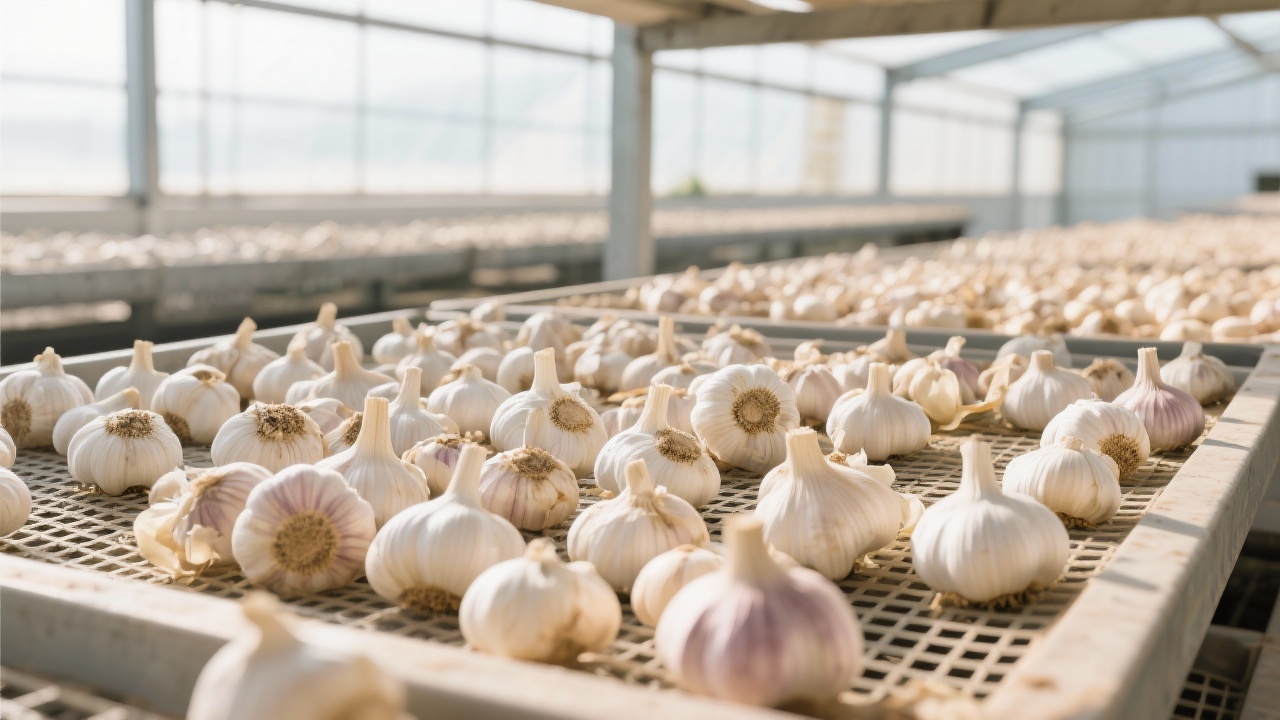
By embedding this method into your export process, you're not just solving a logistical problem—you're building trust with buyers who demand reliable supply chains and sustainable practices.
Let’s discuss how our custom breathable film + absorbent pad solutions can be tailored to your production volume and destination markets.
Get Your Free Packaging Audit Now
 160
|
160
|
 Garlic powder production process
Garlic paste making process
Garlic sauce processing technology
Overseas foodservice garlic application
Garlic processing food safety
Garlic powder production process
Garlic paste making process
Garlic sauce processing technology
Overseas foodservice garlic application
Garlic processing food safety
 89
|
fresh garlic packaging
vacuum packaging garlic
net bag packaging
garlic shelf life extension
food supply chain management
89
|
fresh garlic packaging
vacuum packaging garlic
net bag packaging
garlic shelf life extension
food supply chain management
 79
|
fresh garlic export
Global GAP certification
HACCP certification
supply chain management
cold chain logistics
272
|
Fresh garlic bulb green planting
Export safety
Supply - chain management
Garlic long - distance transportation
Quality certification
286
|
fresh garlic quality control
fresh garlic supply chain management
fresh garlic long - distance transportation
agricultural green cultivation
fresh garlic international certification
79
|
fresh garlic export
Global GAP certification
HACCP certification
supply chain management
cold chain logistics
272
|
Fresh garlic bulb green planting
Export safety
Supply - chain management
Garlic long - distance transportation
Quality certification
286
|
fresh garlic quality control
fresh garlic supply chain management
fresh garlic long - distance transportation
agricultural green cultivation
fresh garlic international certification