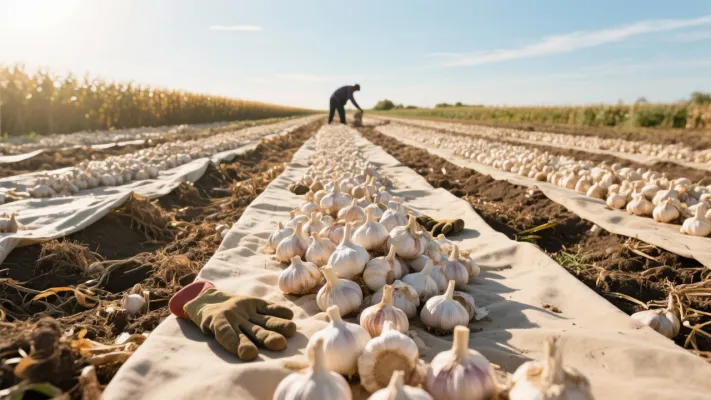
For exporters of fresh garlic targeting international markets—especially those requiring GlobalGAP certification—the journey from farm to container is a complex chain where quality must be preserved at every stage. According to the Food and Agriculture Organization (FAO), over 40% of post-harvest losses in perishable crops occur due to poor handling and lack of temperature control during transport. This makes it critical for suppliers to adopt structured, science-backed processes that align with global food safety standards like HACCP and ISO 22000.
The foundation of successful export lies in green cultivation practices. Farms certified under GlobalGAP must maintain detailed records of pesticide use, water quality, and soil health. In practice, this means using only approved inputs—such as neem-based biopesticides—and avoiding synthetic chemicals within 60 days before harvest. A study by the International Journal of Food Science & Technology found that farms implementing strict chemical controls saw up to 70% fewer microbial contamination incidents compared to conventional ones.
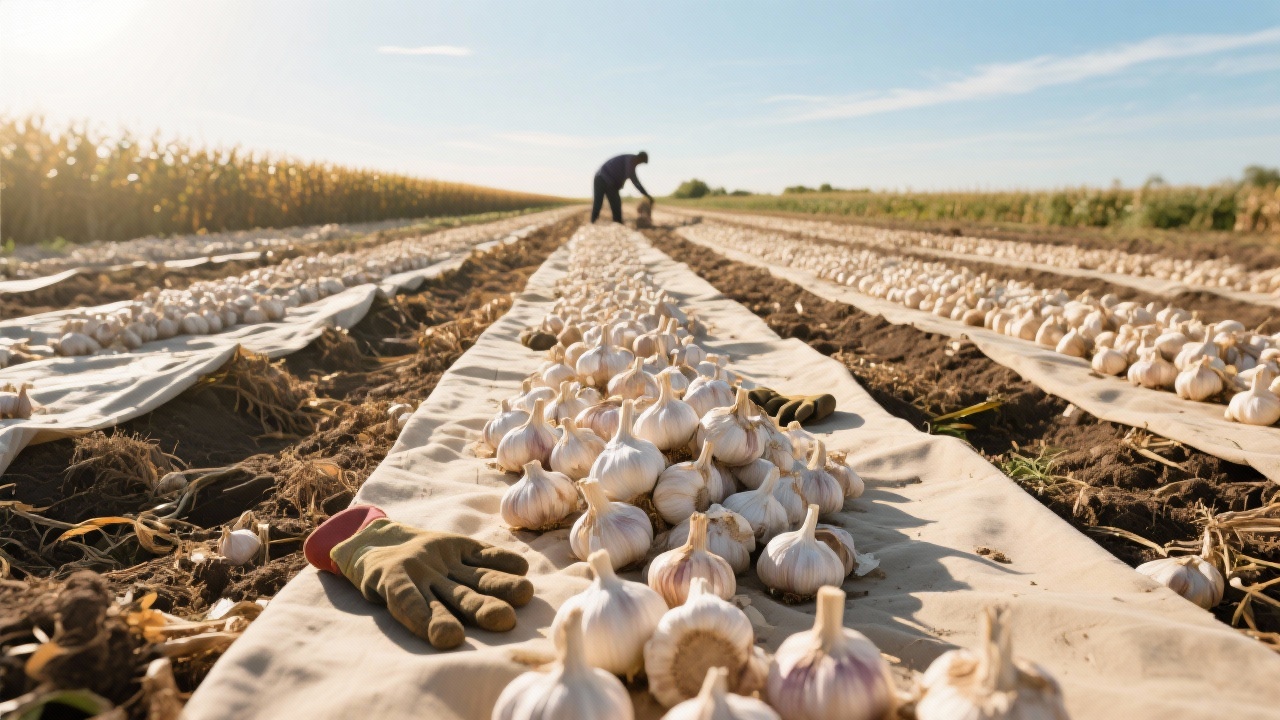
Post-harvest cleaning and natural air-drying are equally vital. After harvesting, garlic bulbs should be gently washed with chlorinated water (≤50 ppm residual chlorine) and dried under controlled airflow at 25–30°C for 48–72 hours. This process reduces moisture content from ~80% to ~65%, significantly lowering mold risk and extending shelf life by up to 3 weeks under refrigerated conditions.
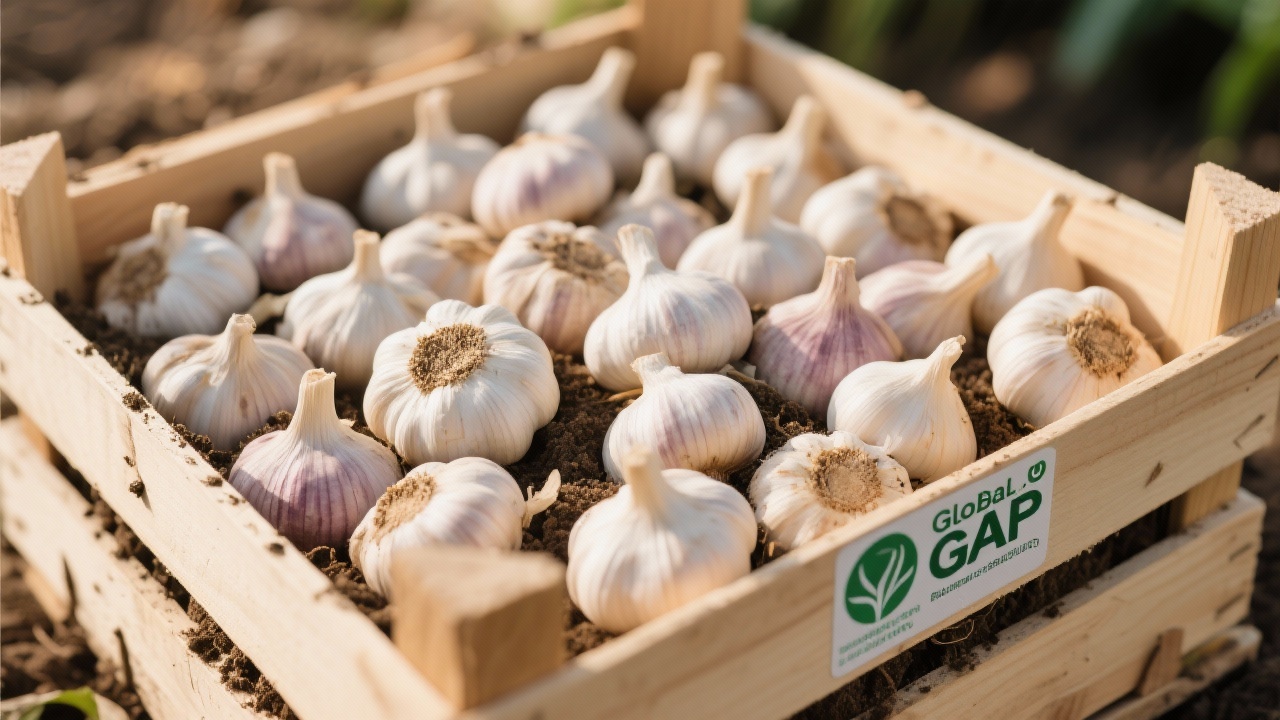
Choosing the right packaging isn’t just about aesthetics—it’s about performance. For short-distance shipments (e.g., EU or Southeast Asia), vacuum-sealed polyethylene bags with oxygen scavengers can preserve freshness for up to 21 days. For long-haul routes like North America or the Middle East, multi-layered corrugated boxes with breathable films and humidity indicators are preferred. These solutions reduce internal condensation and prevent sprouting or rotting during transit.
Data shows that exporters who standardize their packaging based on destination-specific requirements see a 25% improvement in customer satisfaction scores and a 15% reduction in rejected consignments.
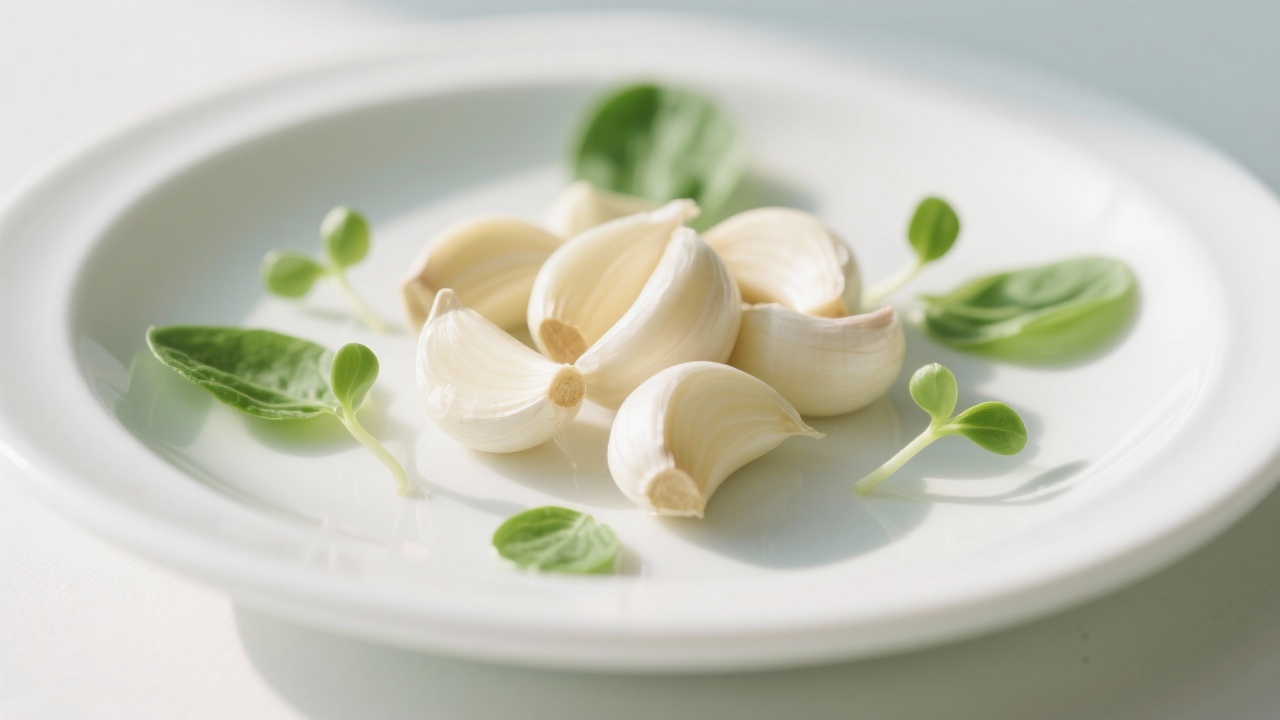
Once loaded, the real test begins. Temperature fluctuations above 10°C or below 0°C can trigger sprouting or freezing damage. Modern cold chain logistics now rely on IoT-enabled sensors that monitor real-time temperature and humidity inside shipping containers. With alerts sent via SMS or email when thresholds are breached, companies can act immediately—even mid-voyage—to avoid spoilage. On average, such systems have reduced cargo loss rates by nearly 40% across the agri-food sector.
Third-party testing remains essential. Independent labs accredited to ISO/IEC 17025 perform microbiological, pesticide residue, and physical integrity checks before shipment. Buyers increasingly demand these reports—not just as proof of compliance, but as evidence of trustworthiness in an increasingly competitive market.
“What sets apart reliable suppliers from others is not just compliance—it’s consistency.”
Download our free technical whitepaper: "Best Practices in Fresh Garlic Cold Chain Management", packed with actionable insights from 30+ successful exports to Europe, the U.S., and GCC countries.
Get the Whitepaper Now
 311
|
311
|
 Garlic paste export challenges
Flavor stability solutions
Garlic processing technology
Food export compliance standards
HACCP certification application
178
|
fresh garlic transportation
temperature humidity control
supply chain management
garlic quality preservation
logistics monitoring
Garlic paste export challenges
Flavor stability solutions
Garlic processing technology
Food export compliance standards
HACCP certification application
178
|
fresh garlic transportation
temperature humidity control
supply chain management
garlic quality preservation
logistics monitoring
 126
|
fresh tomato export standards
lycopene nutritional benefits
processed tomato specifications
retail tomato quality criteria
international agri-supply chain
89
|
fresh garlic packaging
vacuum packaging garlic
net bag packaging
garlic shelf life extension
food supply chain management
126
|
fresh tomato export standards
lycopene nutritional benefits
processed tomato specifications
retail tomato quality criteria
international agri-supply chain
89
|
fresh garlic packaging
vacuum packaging garlic
net bag packaging
garlic shelf life extension
food supply chain management
 255
|
export ginger cold chain transport
ginger temperature management
fresh produce cold chain logistics
breathable packaging for ginger
GlobalGAP export standards
255
|
export ginger cold chain transport
ginger temperature management
fresh produce cold chain logistics
breathable packaging for ginger
GlobalGAP export standards