In today's global fresh produce market, the safety of agricultural products has become a critical concern for B2B buyers worldwide. When sourcing cucumbers internationally, ensuring pesticide residue compliance isn't just a preference—it's a legal and ethical necessity. Statistics from the European Food Safety Authority (EFSA) show that over 12% of imported fresh vegetables fail pesticide residue tests annually, leading to costly rejections and supply chain disruptions.
A single pesticide violation can result in shipment detentions, brand reputation damage, and financial losses averaging $50,000 per incident, according to the International Fresh Produce Association (IFPA). For buyers importing into the EU, UK, or North America, non-compliance with Maximum Residue Levels (MRLs) can lead to import bans and legal consequences.
To mitigate these risks, leading cucumber exporters implement three internationally recognized certification systems that create a comprehensive safety net. Each certification addresses different aspects of the production process, together ensuring a holistic approach to pesticide residue control and overall food safety.
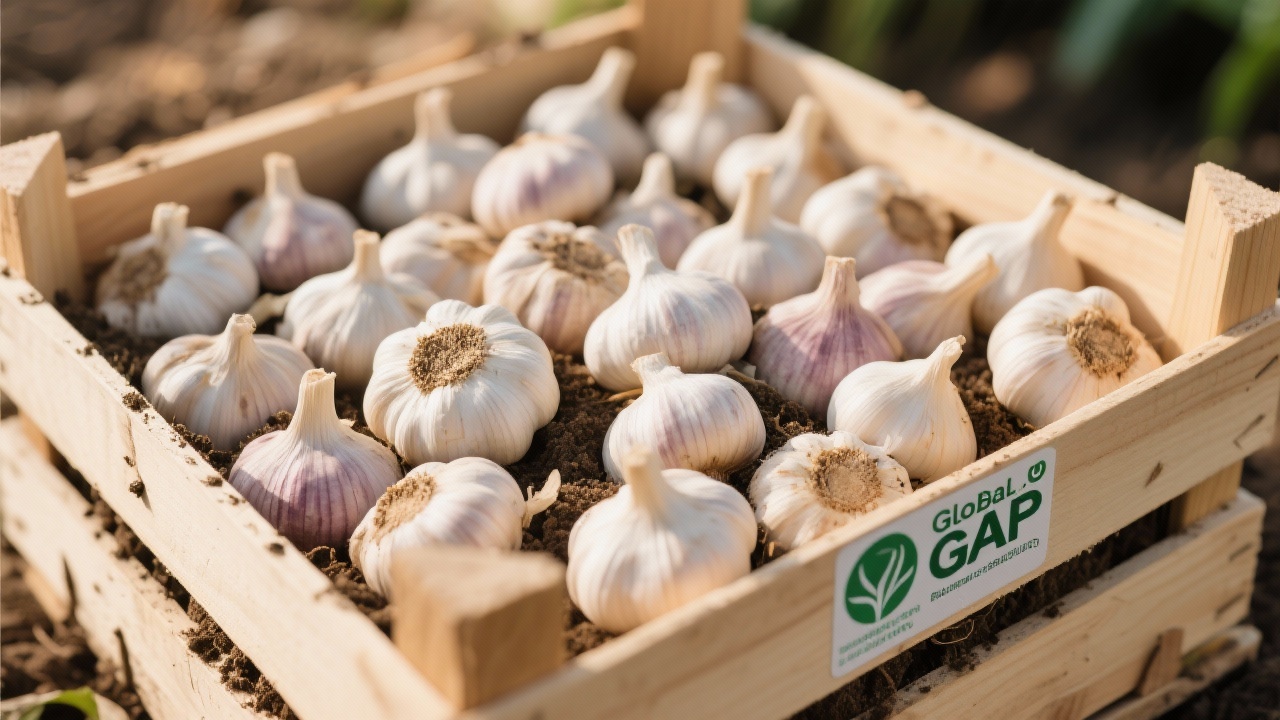
Global GAP (Good Agricultural Practices) sets the foundation for safe cucumber production by establishing rigorous standards for farm management. Certified farms must implement a documented Integrated Pest Management (IPM) system that reduces chemical pesticide use by an average of 40-60% compared to conventional farming methods.
Auditors conduct unannounced inspections at least once annually, verifying compliance with over 150 specific criteria. For cucumber production, particular attention is paid to irrigation water quality, greenhouse environmental controls, and pest monitoring systems.
Hazard Analysis and Critical Control Points (HACCP) takes a proactive approach to food safety by identifying potential hazards at specific stages of production. Unlike Global GAP's broad farm management focus, HACCP zeroes in on critical points where pesticide contamination could occur.
For cucumber production, typical CCPs include: pesticide application, post-harvest washing, and storage temperature control. Each CCP has established critical limits—such as maximum pesticide application rates or minimum wash water chlorine levels—and monitoring systems to ensure compliance.
ISO22000 builds upon both Global GAP and HACCP by creating an integrated management system that spans the entire supply chain. This certification ensures that food safety is embedded in every aspect of the organization, from top management commitment to supplier selection and customer communication.
| Certification | Primary Focus | Key Benefit for Buyers |
|---|---|---|
| Global GAP | On-farm production practices | Assured production standards |
| HACCP | Critical control points | Proactive hazard prevention |
| ISO22000 | Overall management system | Continuous improvement |
Unfortunately, fraudulent certifications have become a growing concern in global trade. A 2022 report by the Global Food Safety Initiative (GFSI) found that approximately 8% of food safety certificates in circulation are either counterfeit or misrepresented.
To protect your business, always verify certifications through the issuing body's online database. Look for certification numbers, issue dates, and scope details that specifically mention cucumber production. Request recent third-party test reports showing pesticide residues below target market MRLs, preferably from ISO 17025 accredited laboratories.
Partner with a supplier that understands the critical importance of these certification systems in delivering safe, high-quality cucumbers consistently.
Connect with Our Certified Cucumber ExpertsWhen evaluating potential suppliers, inquire about their internal quality control protocols, batch testing procedures, and traceability systems. A reliable exporter should be able to provide detailed documentation for each shipment, including lot numbers, harvest dates, and pesticide application records. Remember that the most effective food safety systems combine rigorous certification with transparent communication and a commitment to continuous improvement.

 160
|
160
|
 Garlic powder production process
Garlic paste making process
Garlic sauce processing technology
Overseas foodservice garlic application
Garlic processing food safety
Garlic powder production process
Garlic paste making process
Garlic sauce processing technology
Overseas foodservice garlic application
Garlic processing food safety
 437
|
Export ginger cold chain
Temperature and humidity monitoring
Cold - chain logistics management
Ginger transportation temperature control
Temperature and humidity recorder usage
437
|
Export ginger cold chain
Temperature and humidity monitoring
Cold - chain logistics management
Ginger transportation temperature control
Temperature and humidity recorder usage
 89
|
fresh garlic packaging
vacuum packaging garlic
net bag packaging
garlic shelf life extension
food supply chain management
89
|
fresh garlic packaging
vacuum packaging garlic
net bag packaging
garlic shelf life extension
food supply chain management
 495
|
ginger cold chain logistics
temperature humidity logger usage
export ginger temperature control
冷链数据解读技巧
cold chain compliance for food export
495
|
ginger cold chain logistics
temperature humidity logger usage
export ginger temperature control
冷链数据解读技巧
cold chain compliance for food export
 42
|
Export ginger cold chain
Condensate - induced rot
Stacking density management
Ginger transportation temperature control
Packaging material selection
42
|
Export ginger cold chain
Condensate - induced rot
Stacking density management
Ginger transportation temperature control
Packaging material selection