In the global market, the demand for high - quality fresh garlic bulbs is on the rise. China, as one of the top garlic - producing regions in the world, has established strict green planting standards that play a crucial role in ensuring the safety of fresh garlic bulb exports.
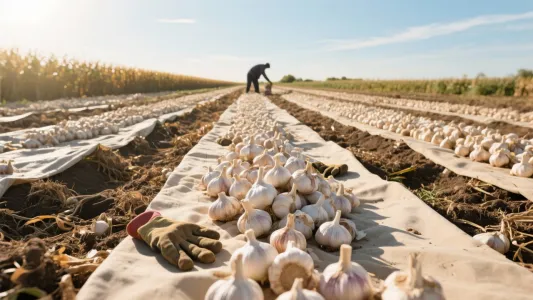
The green planting standards in garlic - producing areas start from the very beginning of the cultivation process. Strict control of fertilizers and pesticides is implemented. For example, the use of chemical fertilizers is limited to a maximum of 200 kg per hectare, and the application of pesticides is restricted to those that are environmentally friendly and have low residue levels. According to a survey, farms that adhere to these green planting standards have reduced pesticide residues by up to 80% compared to non - compliant farms.
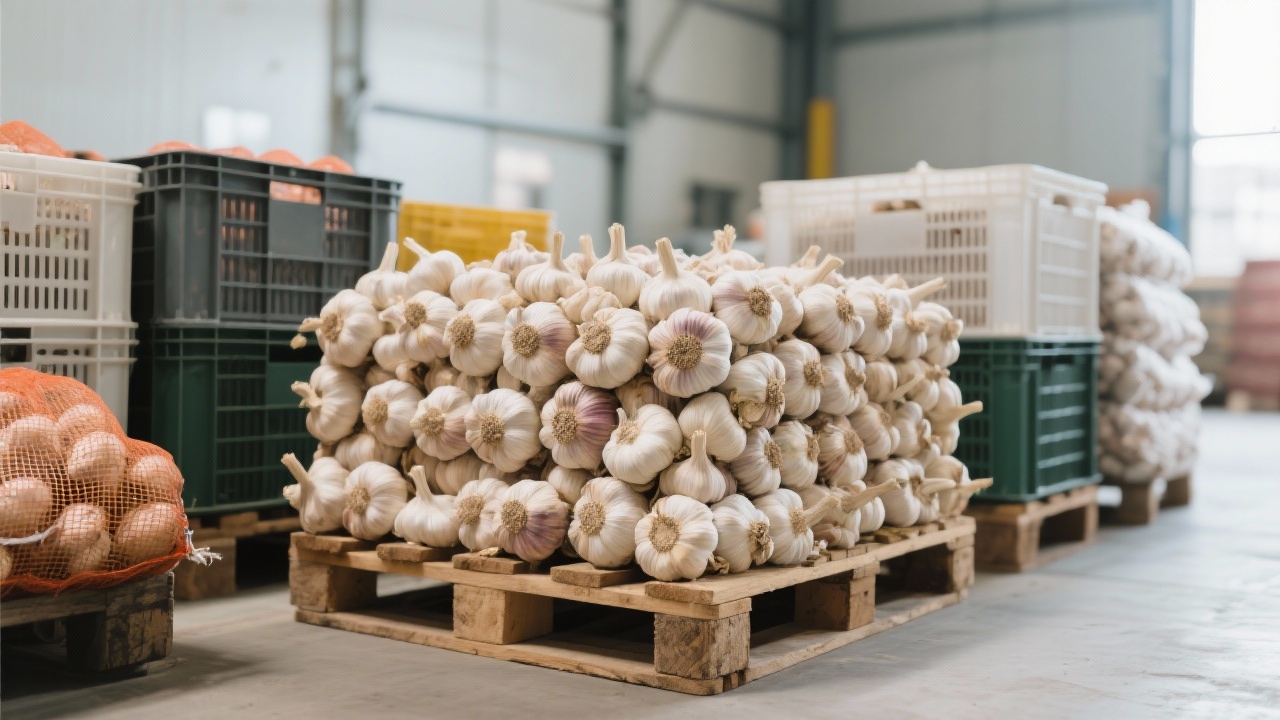
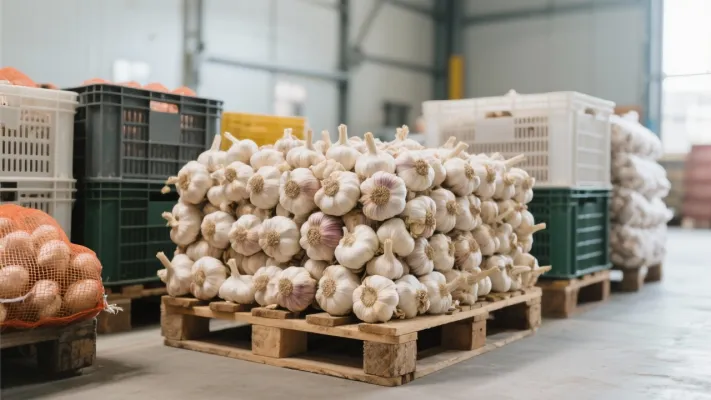
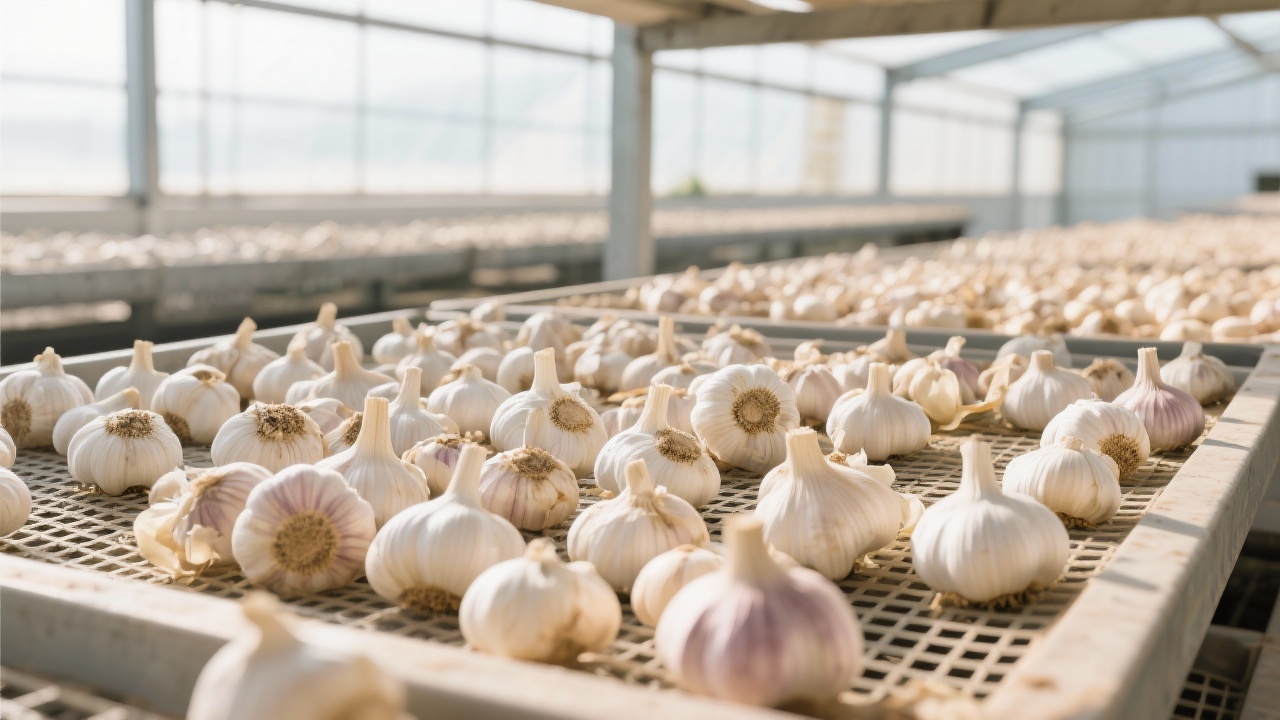
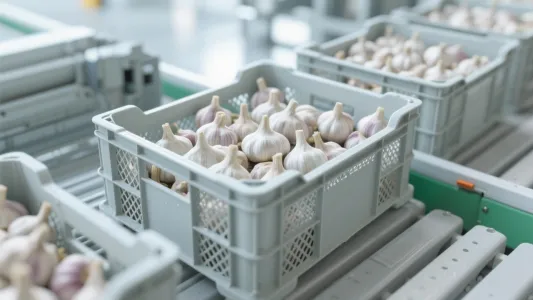
After harvesting, proper processing is essential to prevent spoilage. The fresh garlic bulbs go through a series of processes including cleaning, air - drying, and grading. Cleaning removes dirt and impurities, while air - drying reduces moisture content, which is crucial for preventing mold growth. Scientific grading ensures that only high - quality garlic bulbs are selected for export. Studies have shown that proper post - harvest processing can extend the shelf - life of fresh garlic bulbs by up to 3 months.
Different packaging forms have different impacts on the quality of garlic during transportation. Mesh bags are breathable, which is suitable for short - distance transportation and local markets. They allow air circulation, reducing the risk of moisture accumulation. On the other hand, vacuum packaging is ideal for long - distance transportation as it creates a low - oxygen environment that slows down the aging process. However, vacuum - packed garlic may be more prone to mechanical damage during handling.
Maintaining the right temperature and humidity during transportation is critical to prevent the deterioration of fresh garlic bulbs. Modern monitoring technologies can continuously track the environmental conditions inside the transportation containers. For example, keeping the temperature between 0 - 5°C and the relative humidity at around 60 - 70% can significantly reduce the risk of sprouting and rotting. Specific sensors are installed to send real - time data to logistics managers, allowing them to take timely measures if any abnormal conditions are detected.
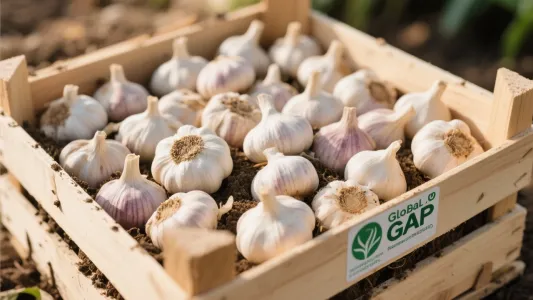
To meet international market requirements, fresh garlic bulb exports need to comply with various quality certifications such as Global GAP, HACCP, and ISO22000. Third - party testing plays a key role in ensuring that the products meet these standards. Independent laboratories conduct comprehensive tests on factors like pesticide residues, heavy metal content, and microbial contamination. Products that pass these tests are more likely to gain the trust of international buyers.
For procurement managers, logistics experts, and supply chain managers, optimizing the supply chain is essential. By integrating green planting, post - harvest processing, packaging, and logistics management, companies can improve product safety and market competitiveness. This includes establishing long - term partnerships with reliable suppliers, implementing strict quality control at every stage, and using data - driven decision - making to optimize the supply chain.
Discover more about fresh garlic bulb preservation solutions by accessing our technical whitepaper.
 341
|
341
|
 Fresh garlic bulb transportation
Mildew prevention technology
Post - harvest treatment
Packaging solutions
Supply chain quality management
Fresh garlic bulb transportation
Mildew prevention technology
Post - harvest treatment
Packaging solutions
Supply chain quality management
 203
|
fresh garlic preservation packaging
vacuum packaging vs mesh bag
garlic transportation technology
agricultural supply chain management
international food certification
203
|
fresh garlic preservation packaging
vacuum packaging vs mesh bag
garlic transportation technology
agricultural supply chain management
international food certification
 287
|
fresh garlic export
HACCP certification
Global GAP certification
cold chain logistics
food safety standards
287
|
fresh garlic export
HACCP certification
Global GAP certification
cold chain logistics
food safety standards
 74
|
Fresh garlic mildew prevention
Antiseptic packaging technology
Supply chain management
Temperature - controlled transportation
Agricultural product certification
120
|
fresh garlic export
Global GAP certification
supply chain management
temperature and humidity control
packaging solutions
74
|
Fresh garlic mildew prevention
Antiseptic packaging technology
Supply chain management
Temperature - controlled transportation
Agricultural product certification
120
|
fresh garlic export
Global GAP certification
supply chain management
temperature and humidity control
packaging solutions