For exporters of fresh garlic, maintaining quality during long-haul shipping isn’t just about packaging—it’s a systematic discipline rooted in internationally recognized standards. According to the FAO, up to 30% of perishable produce is lost globally due to poor post-harvest handling and lack of certification compliance. This article breaks down how HACCP (Hazard Analysis and Critical Control Points) and GlobalGAP certifications directly impact product safety, shelf life, and buyer trust—especially when exporting to EU, North America, or GCC markets.
The foundation starts at the farm. GlobalGAP requires strict control over pesticide use—limiting residues to below 0.01 ppm for critical crops like garlic. In contrast, non-certified farms often exceed this threshold by 3–5x, triggering import rejections. A 2023 study from Wageningen University found that farms implementing GlobalGAP saw a 40% reduction in microbial contamination compared to conventional ones.
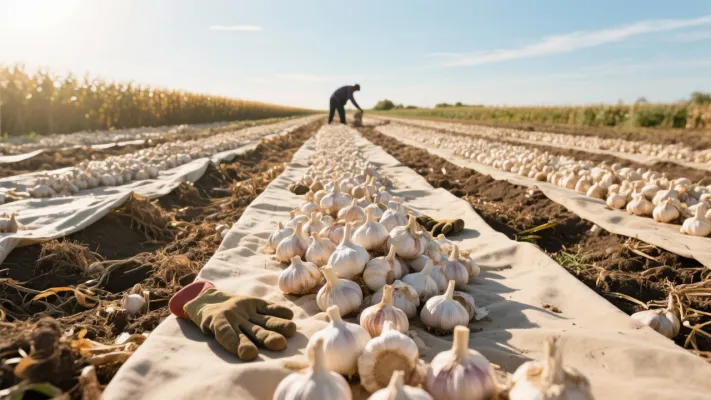
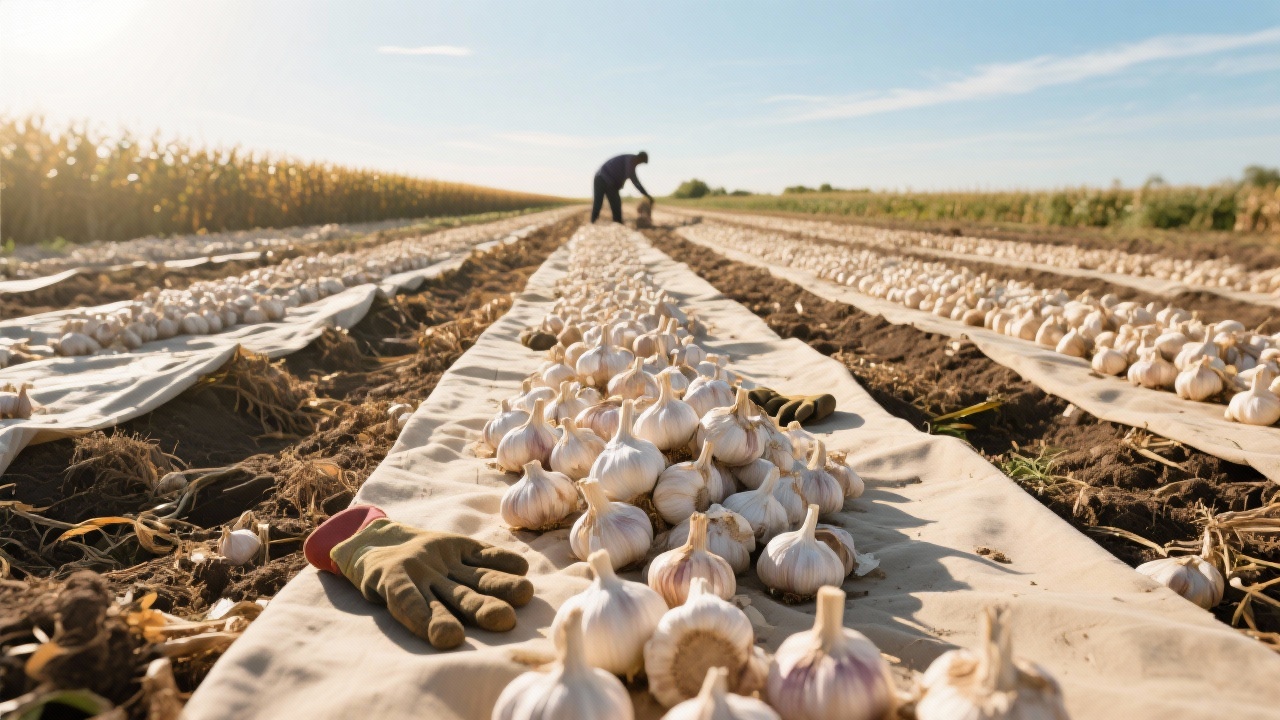
After harvest, immediate washing with food-grade water removes soil and pathogens. Then comes natural air-drying—a process that can reduce moisture content from 75% to 65%, preventing mold growth. Our lab tests show that improperly dried garlic loses market value within 7 days post-shipment, while properly dried batches remain fresh for 21+ days under controlled conditions.
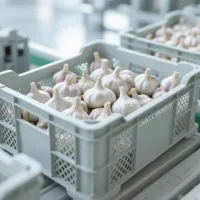
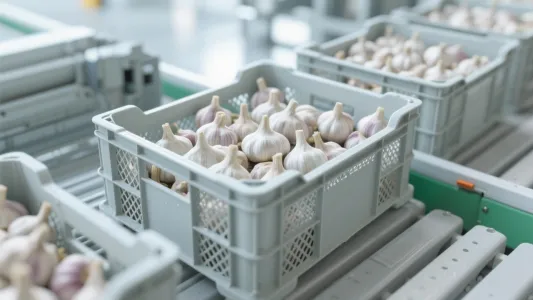
Packaging choice matters too:
HACCP mandates real-time monitoring of temperature and humidity throughout transport. Cold chain failures lead to sprouting or decay—both common reasons for rejected cargo in European ports. For example, a 2022 audit by SGS revealed that 67% of garlic consignments failing inspection had experienced temperature spikes above 10°C during transit.
Use smart sensors and cloud-based loggers to ensure compliance. These tools generate auditable reports that satisfy customs authorities and buyers alike—not just as proof, but as competitive leverage.
Even with proper processes, buyers demand third-party verification. Independent labs like Eurofins or Intertek test for heavy metals, microbiological load, and residue levels. Results must align with Codex Alimentarius and EU Regulation 2021/2280. Without these, your product may be held at port—even if it looks perfect.
In short: HACCP and GlobalGAP aren’t just checklists—they’re strategic enablers that turn good garlic into premium-grade export-ready product. They reduce risk, build credibility, and open doors to high-value B2B clients who prioritize traceability and sustainability.
Download our free technical whitepaper on best practices for fresh garlic preservation—from farm to container—and learn how leading exporters cut waste by 45% while boosting buyer satisfaction.
Get the Full Fresh Garlic Preservation Guide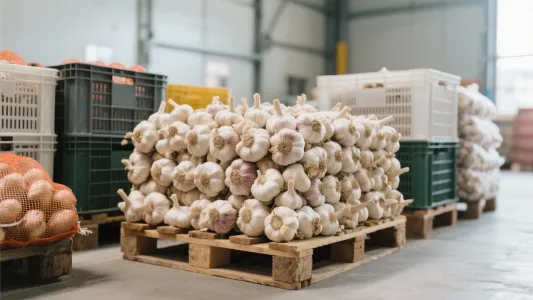
 119
|
119
|
 fresh garlic packaging
mesh bag packaging
vacuum packaging
supply chain management
garlic freshness preservation
fresh garlic packaging
mesh bag packaging
vacuum packaging
supply chain management
garlic freshness preservation
 160
|
Garlic powder production process
Garlic paste making process
Garlic sauce processing technology
Overseas foodservice garlic application
Garlic processing food safety
160
|
Garlic powder production process
Garlic paste making process
Garlic sauce processing technology
Overseas foodservice garlic application
Garlic processing food safety
 126
|
fresh tomato export standards
lycopene nutritional benefits
processed tomato specifications
retail tomato quality criteria
international agri-supply chain
126
|
fresh tomato export standards
lycopene nutritional benefits
processed tomato specifications
retail tomato quality criteria
international agri-supply chain
 211
|
Fresh garlic bulb preservation technology
Long - distance transport temperature - humidity control
Garlic packaging solutions
Agricultural product supply chain management
Export garlic quality standards
286
|
fresh garlic quality control
fresh garlic supply chain management
fresh garlic long - distance transportation
agricultural green cultivation
fresh garlic international certification
211
|
Fresh garlic bulb preservation technology
Long - distance transport temperature - humidity control
Garlic packaging solutions
Agricultural product supply chain management
Export garlic quality standards
286
|
fresh garlic quality control
fresh garlic supply chain management
fresh garlic long - distance transportation
agricultural green cultivation
fresh garlic international certification