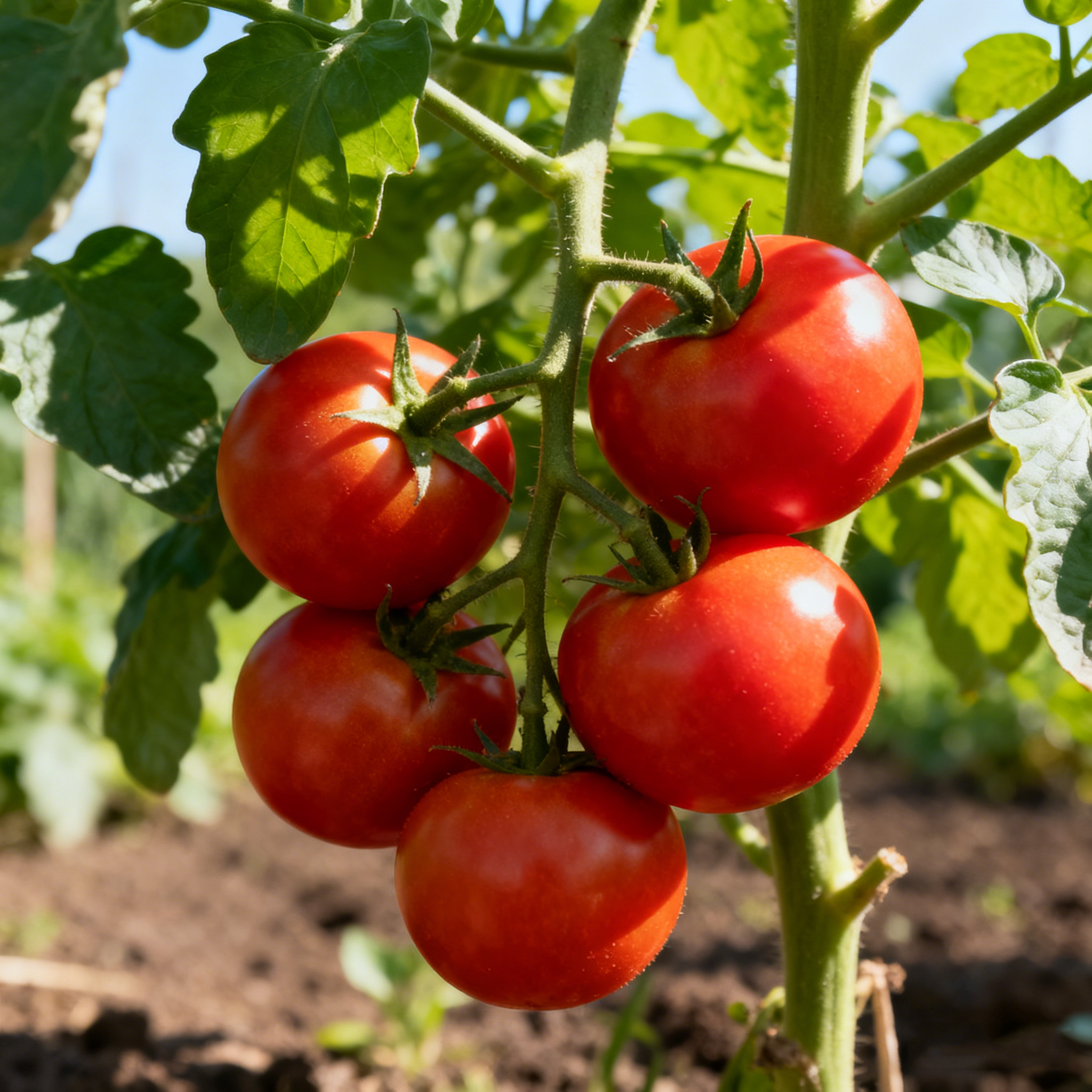
Fresh tomatoes are not only a staple in global cuisine but also a powerhouse of nutrition. Among their many valuable components, lycopene stands out as a key element. Lycopene is a bright - red carotenoid pigment and a powerful antioxidant. According to a study by the World Health Organization, tomatoes are the primary dietary source of lycopene, providing about 85% of the lycopene in the average diet.
The health benefits of lycopene are well - documented. In terms of antioxidant properties, it can neutralize free radicals in the body, reducing oxidative stress. Research from the American Heart Association has shown that regular consumption of lycopene - rich foods can lower the risk of cardiovascular diseases by up to 20%. Lycopene helps in preventing the oxidation of LDL cholesterol, which is a major factor in the development of heart diseases. It also has potential anti - cancer properties, especially against prostate, lung, and stomach cancers, as indicated by several epidemiological studies.
In the international market, there is a growing awareness and demand for the nutritional value of tomatoes. Consumers are more health - conscious than ever before, seeking food products that offer both taste and health benefits. This trend is driving the market, with brands that promote the health benefits of their tomato products gaining a competitive edge. For example, in the European Union, the market for organic and nutrient - rich tomatoes has been growing at an annual rate of 12% over the past five years.
There are four major application areas for tomatoes: retail supermarkets, food processing (including juices, purees, and sauces), food service, and international exports. Each area has specific requirements for tomato quality and specifications. In retail supermarkets, consumers prefer tomatoes that are firm, shiny, and have a consistent color. For food processing, different products require different qualities. For tomato juice, high - juice - yielding varieties with a good flavor profile are preferred. For tomato purees and sauces, tomatoes with a high pectin content are better as they provide a thicker consistency. In the food - service industry, chefs often look for tomatoes with a balanced flavor and texture that can stand up to cooking processes. In international exports, compliance with various food safety regulations and transportability are crucial factors.
Let's take a look at some real - life examples. A well - known juice company in the United States switched to a specific variety of tomatoes with a higher juice content and a sweeter flavor. As a result, their tomato juice sales increased by 15% within a year. In the restaurant industry, a chain of Italian restaurants started sourcing tomatoes directly from local farms that grew tomatoes with a more intense flavor. This led to an improvement in the customer satisfaction rate for their tomato - based dishes by 20%. For international exports, a tomato exporter in South America improved its packaging and transportation methods to meet the strict food safety standards of the Japanese market, which helped them gain a foothold in that highly competitive market.
In conclusion, the nutritional value of tomatoes, especially the health benefits of lycopene, is driving the international market. Food R & D personnel, procurement managers, and nutrition experts can leverage this trend by understanding the specific requirements of different application areas and making informed decisions. If you are interested in learning more about our high - quality fresh tomatoes and how they can meet your business needs, please visit our website /products/premium-fresh-tomatoes.html or contact our sales team. We are committed to helping you enhance your brand influence and increase your market share.

 161
|
161
|
 garlic processing certification
HACCP for garlic products
ISO22000 food safety
export garlic compliance
food safety management system
garlic processing certification
HACCP for garlic products
ISO22000 food safety
export garlic compliance
food safety management system
 150
|
Export - type ginger cold chain
Ginger temperature control strategy
Cold - chain logistics management
Fresh produce packaging materials
Temperature and humidity recorder
150
|
Export - type ginger cold chain
Ginger temperature control strategy
Cold - chain logistics management
Fresh produce packaging materials
Temperature and humidity recorder
 166
|
ginger cold chain logistics
temperature and humidity data logger
export ginger freshness management
cold chain temperature control
fresh produce cold chain management
166
|
ginger cold chain logistics
temperature and humidity data logger
export ginger freshness management
cold chain temperature control
fresh produce cold chain management
 63
|
fresh garlic export preservation
cold chain logistics management
garlic packaging solutions
agricultural supply chain quality control
international certification standards
74
|
Fresh garlic mildew prevention
Antiseptic packaging technology
Supply chain management
Temperature - controlled transportation
Agricultural product certification
63
|
fresh garlic export preservation
cold chain logistics management
garlic packaging solutions
agricultural supply chain quality control
international certification standards
74
|
Fresh garlic mildew prevention
Antiseptic packaging technology
Supply chain management
Temperature - controlled transportation
Agricultural product certification