Fresh tomatoes are a cornerstone of international agricultural exports, with demands varying significantly across retail, food processing, and hospitality sectors. Understanding the specifications and quality parameters required by different industries can empower exporters to precisely target their products, elevate customer satisfaction, and optimize supply chain efficiency.
Lycopene, a powerful antioxidant responsible for the rich red color in tomatoes, has been extensively linked to cardiovascular health benefits and cancer risk reduction. Across global markets, tomatoes with higher lycopene concentrations—typically above 4 mg per 100g fresh weight—are especially favored by retailers and food processors.
“According to a 2022 study published by the International Journal of Food Science, lycopene-rich varieties can increase consumer willingness to pay by up to 15%, particularly in North American and European markets.” – Food Science Research Institute
| Sector | Size (Diameter) | Color | Firmness | Lycopene Content (mg/100g) |
|---|---|---|---|---|
| Retail Supermarkets | 55-70 mm | Bright, uniform red | Medium firmness for shelf life | ≥ 4.0 |
| Food Processing | 45-60 mm | Deep red to purplish-red | Softer for ease of processing | ≥ 5.0 |
| Catering & Restaurants | 60-75 mm | Vivid, uniformly red with shine | Firm yet juicy texture | ≥ 4.5 |
In the retail sector, where visual appeal drives sales, uniform size and glossy appearance are imperative. Retail buyers often specify tomatoes free of blemishes and defects, favoring medium firmness to extend shelf life during transit. The lycopene content not only enhances color but also resonates with health-conscious consumers.
Conversely, food processors prioritize lycopene concentration and softer flesh to improve juice yield or paste consistency. Varieties cultivated for this segment usually undergo rigorous nutritional testing to meet functional ingredient standards. Additionally, the harvesting period aligns with peak maturity to ensure maximum flavor and nutrient density.
Restaurants and catering providers weigh texture and juiciness more heavily, desiring tomatoes that offer a balance of firmness to handle preparation and rich taste profiles for gourmet presentations. Exporters targeting this sector should consider seasonal variations and supply freshness guarantees.
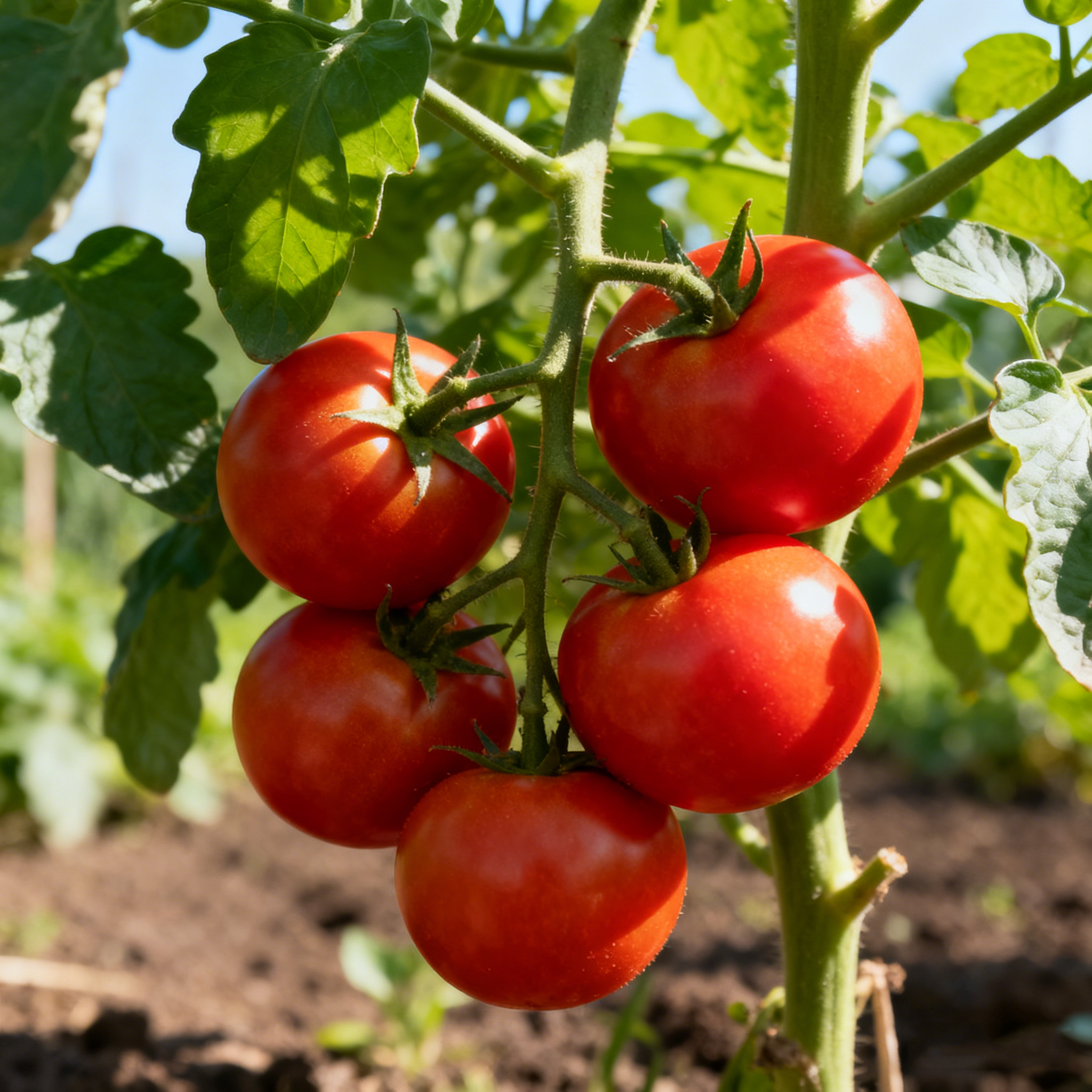
Exporters must also integrate compliance with import regulations such as Maximum Residue Limits (MRLs) and phytosanitary certifications. Maintaining optimal storage conditions at 12-13°C and 85-95% relative humidity during transit preserves firmness and nutrient content, mitigating spoilage risks.
Leveraging real-time tracking and quality monitoring technologies enables exporters to provide transparency and traceability throughout the logistics process, building trust with buyers and reducing disputes related to spoilage or quality degradation.
Explore tailored tomato specifications and discover the best match for your business needs — whether retail, processing, or culinary services. Click here to find your ideal tomato profile »
Get Your Free Copy of the Comprehensive Tomato Sourcing Guide Today!

 255
|
255
|
 export ginger cold chain transport
ginger temperature management
fresh produce cold chain logistics
breathable packaging for ginger
GlobalGAP export standards
export ginger cold chain transport
ginger temperature management
fresh produce cold chain logistics
breathable packaging for ginger
GlobalGAP export standards
 178
|
fresh garlic transportation
temperature humidity control
supply chain management
garlic quality preservation
logistics monitoring
178
|
fresh garlic transportation
temperature humidity control
supply chain management
garlic quality preservation
logistics monitoring