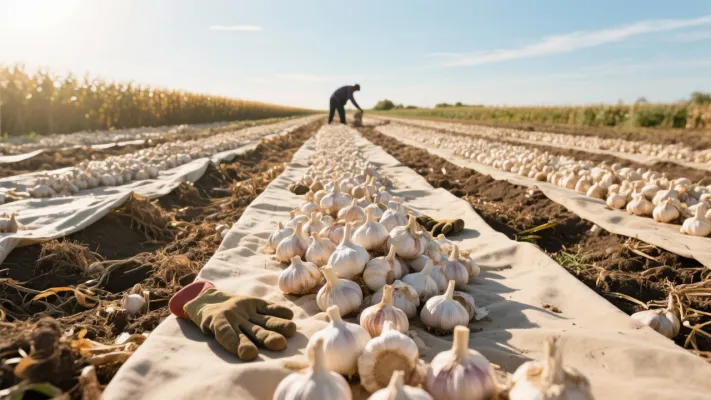
Maintaining the quality of fresh garlic throughout long-distance transportation remains a critical challenge for supply chain professionals. Mold development not only deteriorates the product but also impacts brand reputation and customer satisfaction. This article elucidates the core measures in the fresh garlic supply chain that effectively inhibit mold growth, ensuring product integrity from farm to market.
The foundation of mold-free garlic starts at cultivation. Adhering to Global GAP standards fosters soil health, minimizes chemical residues, and enhances resistance to fungal pathogens. Sustainable farming practices, including crop rotation and organic fertilization, reduce mold susceptibility by 15-25%. Implementing rigorous field inspections and moisture monitoring ensures harvested garlic heads meet high hygiene and maturity criteria.
Post-harvest processing significantly influences mold prevention. Thorough washing with clean, chlorine-treated water eliminates surface contaminants, while mechanical or natural wind drying reduces moisture content to the optimal 45-50% range. This moisture level strikes a balance by limiting fungal growth without compromising garlic firmness. Studies have shown that controlled air-drying can reduce post-harvest mold incidents by over 30%.
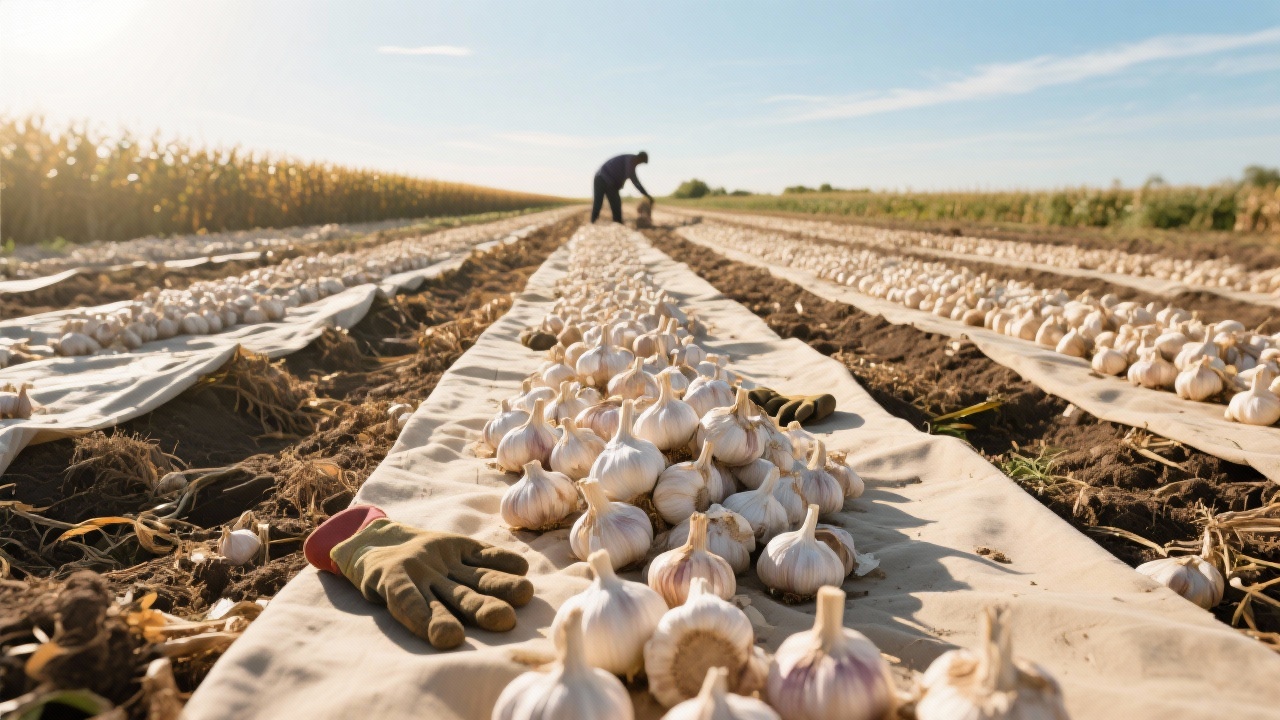
Accurate grading based on bulb size, skin integrity, and moisture content helps isolate potentially compromised units early. Adopting HACCP principles during sorting minimizes cross-contamination risks. Automated grading systems paired with visual inspection sensors can achieve defect detection rates exceeding 95%, effectively reducing mold spread within bulk shipments.
Selecting appropriate packaging is paramount in mold mitigation. Common packaging types include:
Packaging combined with breathable films incorporating anti-fungal agents can further enhance shelf life by up to 40% during transit.
Optimal storage conditions—typically 0°C to 4°C and 60-65% relative humidity—are crucial for mold suppression. Utilizing refrigerated containers equipped with real-time temperature and humidity sensors facilitates active environmental regulation. IoT-integrated monitoring systems enable continuous data transmission and automated adjustments to ventilation or cooling systems.
Data from logistics operators indicate that shipments employing dynamic climate control reduce mold-related losses by approximately 35%-45% compared to conventional methods.
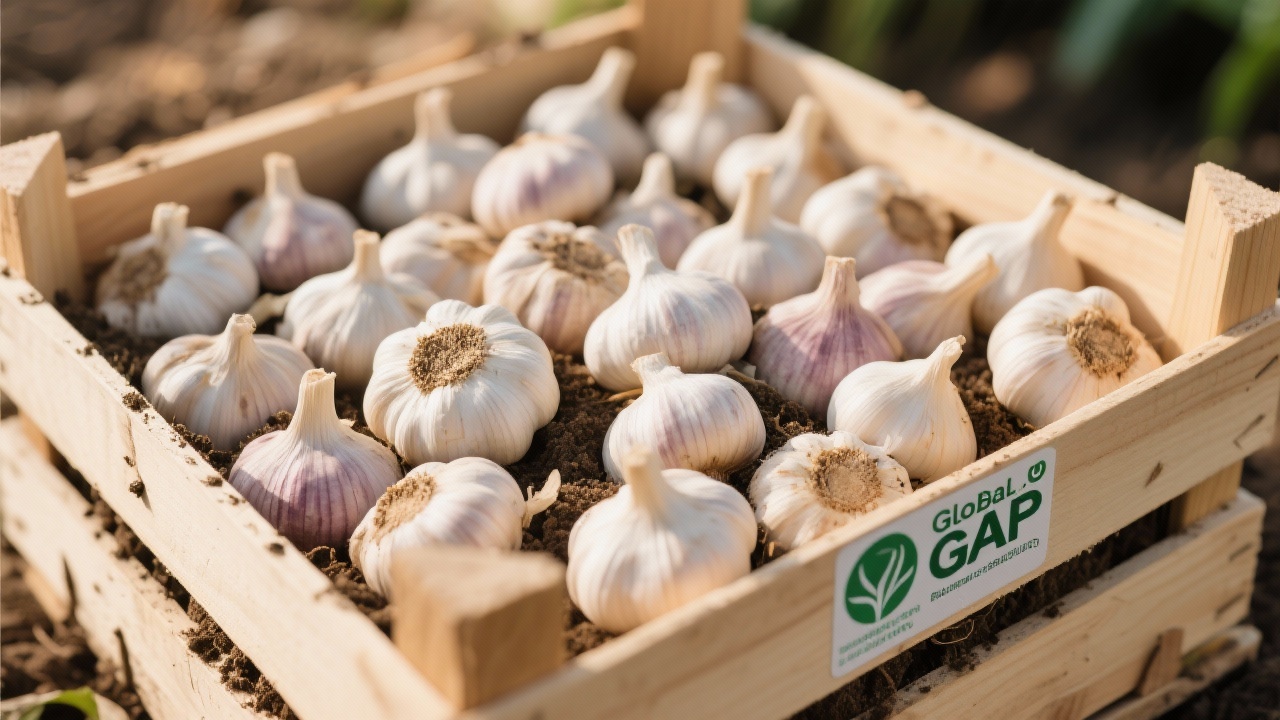
Compliance with certifications such as Global GAP, HACCP, and ISO 22000 establishes credible quality assurance frameworks. These standards govern cultivation, handling, and transport hygiene protocols, ensuring contamination risks are minimized systematically.
Third-party audits and laboratory testing of fungal load and mycotoxin presence provide an objective measure to evaluate effectiveness of anti-mold strategies. Implementing randomized batch sampling during inbound inspections helps procurement managers make informed sourcing decisions.

 311
|
311
|
 Garlic paste export challenges
Flavor stability solutions
Garlic processing technology
Food export compliance standards
HACCP certification application
429
|
garlic moisture control
vacuum packaging for garlic
deoxidizer application
long-distance garlic preservation
fresh garlic packaging technology
Garlic paste export challenges
Flavor stability solutions
Garlic processing technology
Food export compliance standards
HACCP certification application
429
|
garlic moisture control
vacuum packaging for garlic
deoxidizer application
long-distance garlic preservation
fresh garlic packaging technology
 286
|
fresh garlic quality control
fresh garlic supply chain management
fresh garlic long - distance transportation
agricultural green cultivation
fresh garlic international certification
362
|
garlic processing technology
garlic powder aroma retention
food export quality control
drying temperature management
garlic flavor stabilization
286
|
fresh garlic quality control
fresh garlic supply chain management
fresh garlic long - distance transportation
agricultural green cultivation
fresh garlic international certification
362
|
garlic processing technology
garlic powder aroma retention
food export quality control
drying temperature management
garlic flavor stabilization
 255
|
export ginger cold chain transport
ginger temperature management
fresh produce cold chain logistics
breathable packaging for ginger
GlobalGAP export standards
255
|
export ginger cold chain transport
ginger temperature management
fresh produce cold chain logistics
breathable packaging for ginger
GlobalGAP export standards