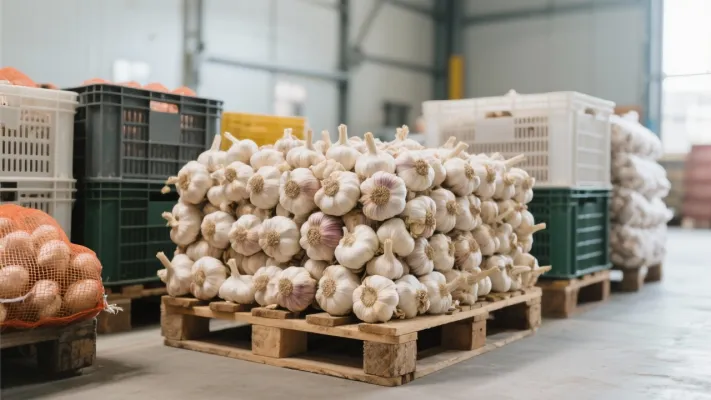
During long-distance transportation, fresh garlic bulbs are highly susceptible to mold and quality deterioration due to improper humidity control and packaging. Statistics show that nearly 20% of fresh garlic bulbs experience some degree of quality decline during long-distance transportation, mainly manifested as mold and spoilage. This not only causes economic losses but also affects the reputation of suppliers in the market.
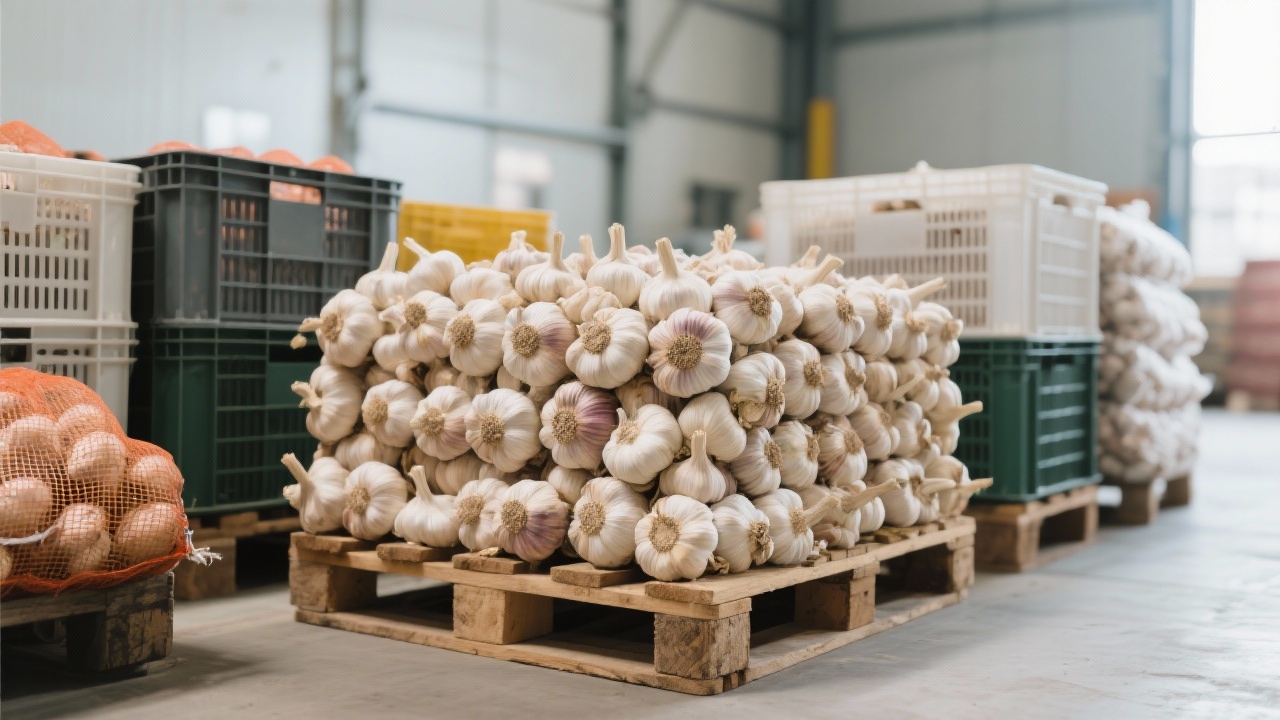
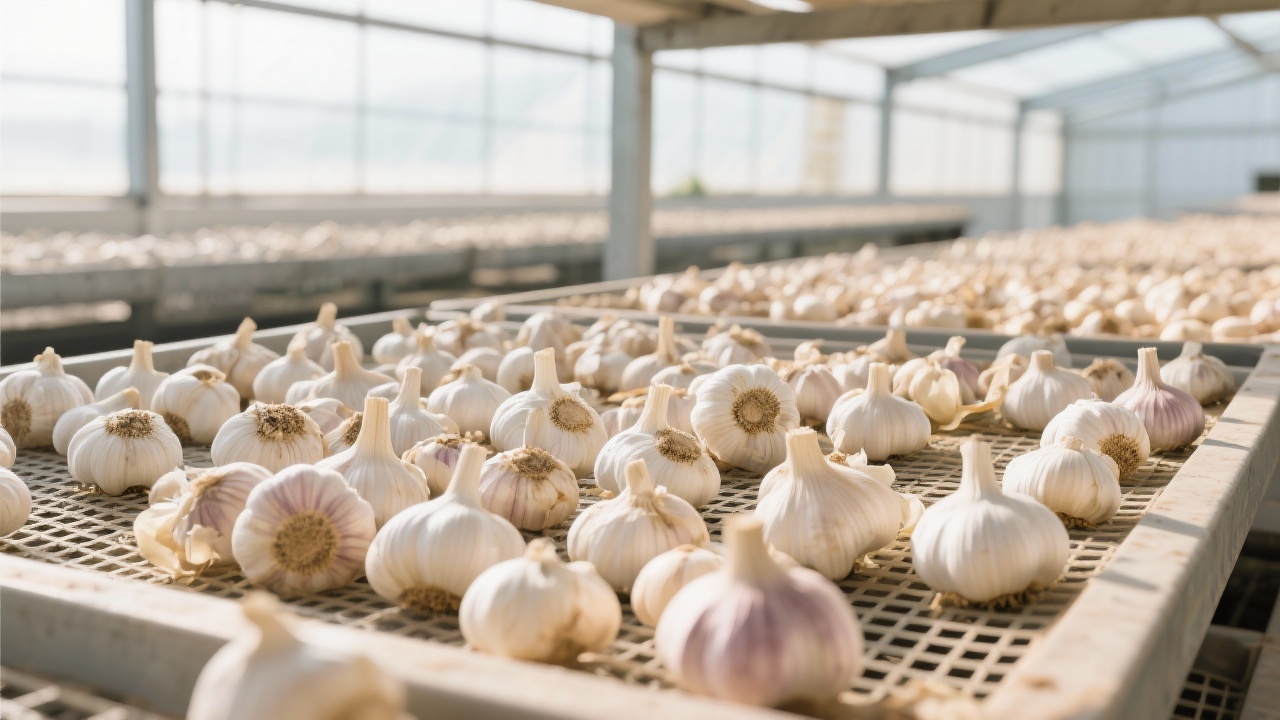
Post-harvest cleaning is the first step in ensuring the quality of fresh garlic bulbs. By removing dirt and impurities on the surface, it reduces the breeding ground for bacteria and fungi. After cleaning, natural air-drying is crucial. This process allows the outer layer of the garlic bulbs to form a protective film, which can effectively prevent moisture from entering and reduce the risk of mold. Research indicates that garlic bulbs that undergo proper post-harvest cleaning and natural air-drying can extend their shelf life by up to 30%.
There are several packaging methods available for fresh garlic bulbs, each with its own advantages and disadvantages. Mesh bags are breathable, which is beneficial for air circulation but may not provide sufficient protection against physical damage. Cartons are sturdy and can protect the garlic bulbs from external impacts, but they may not be as breathable as mesh bags. Vacuum packaging can effectively isolate the garlic bulbs from the air, preventing oxidation and mold growth, but it is relatively expensive and may require specialized equipment.
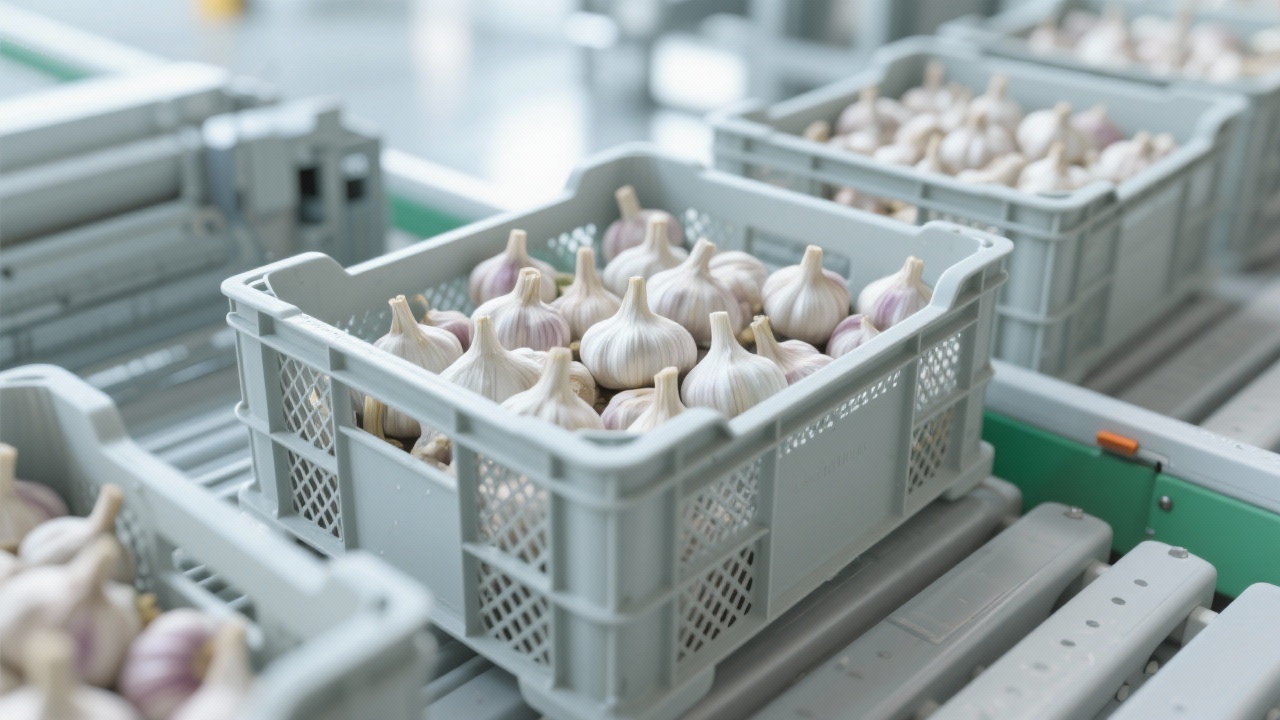
In general, mesh bags are suitable for short-distance transportation or local markets where ventilation is important. Cartons are more suitable for long-distance transportation and international markets, providing better protection. Vacuum packaging is ideal for high-end markets or customers who have strict requirements for product quality.
Maintaining the right temperature and humidity during transportation is essential for the quality of fresh garlic bulbs. The optimal temperature for storing fresh garlic bulbs is between 0°C and 5°C, and the relative humidity should be controlled at around 60% - 70%. Advanced temperature and humidity monitoring devices can be used to ensure that the environment inside the transportation vehicle or storage facility meets these requirements. By real-time monitoring and adjustment, the risk of mold and spoilage can be significantly reduced.
Global GAP, HACCP, ISO22000 and other international certifications play a crucial role in ensuring the quality and safety of fresh garlic bulbs. These certifications represent that the products meet international standards and best practices in production, processing and transportation. Third-party inspection reports also add credibility to the products, allowing buyers to have more confidence in the quality of the garlic bulbs. For example, a product with a Global GAP certification can increase its market competitiveness by up to 15%.
In conclusion, by adopting scientific post-harvest processing, appropriate packaging methods, effective temperature and humidity control, and obtaining international certifications, suppliers can effectively extend the shelf life of fresh garlic bulbs and improve their market competitiveness. For more information on fresh garlic bulb preservation solutions, please visit our technical white paper.

 160
|
160
|
 garlic processing certification
HACCP for garlic products
ISO22000 food safety
export garlic compliance
food safety management system
311
|
Garlic paste export challenges
Flavor stability solutions
Garlic processing technology
Food export compliance standards
HACCP certification application
178
|
fresh garlic transportation
temperature humidity control
supply chain management
garlic quality preservation
logistics monitoring
garlic processing certification
HACCP for garlic products
ISO22000 food safety
export garlic compliance
food safety management system
311
|
Garlic paste export challenges
Flavor stability solutions
Garlic processing technology
Food export compliance standards
HACCP certification application
178
|
fresh garlic transportation
temperature humidity control
supply chain management
garlic quality preservation
logistics monitoring
 126
|
fresh tomato export standards
lycopene nutritional benefits
processed tomato specifications
retail tomato quality criteria
international agri-supply chain
126
|
fresh tomato export standards
lycopene nutritional benefits
processed tomato specifications
retail tomato quality criteria
international agri-supply chain
 255
|
export ginger cold chain transport
ginger temperature management
fresh produce cold chain logistics
breathable packaging for ginger
GlobalGAP export standards
255
|
export ginger cold chain transport
ginger temperature management
fresh produce cold chain logistics
breathable packaging for ginger
GlobalGAP export standards