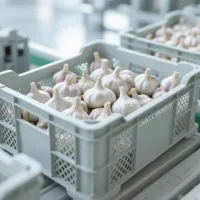
For procurement managers in the agricultural export industry, selecting the right packaging solution for fresh garlic bulbs is a critical decision that directly impacts product quality, customer satisfaction, and market competitiveness. This article delves into the key aspects of choosing suitable packaging for exporting fresh garlic bulbs, offering practical guidance based on supply chain management, packaging technology, and international certification standards.
During long - distance transportation and international trade, fresh garlic bulbs are vulnerable to various factors that can affect their quality, such as moisture, bacteria, and physical damage. An appropriate packaging solution can effectively protect the garlic bulbs from these threats, ensuring they reach the destination in optimal condition. For example, improper packaging may lead to a 15 - 20% loss in product quality due to spoilage and damage during transit.
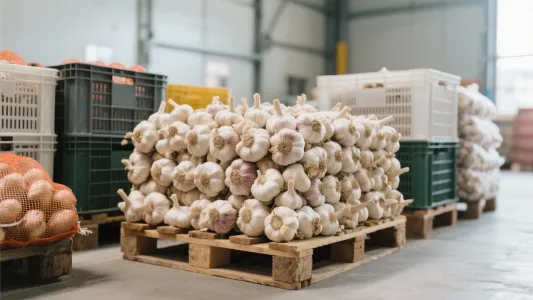
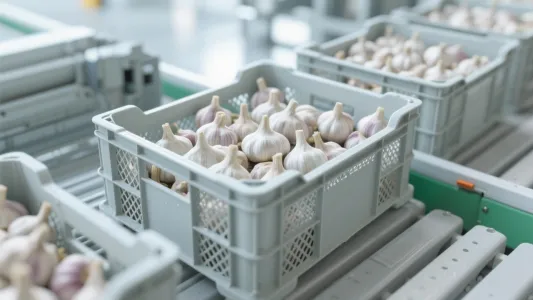
There are three main types of packaging commonly used for fresh garlic bulbs: mesh bags, cartons, and vacuum packaging. Each has its own technical characteristics and applicable scenarios.
| Packaging Type | Advantages | Disadvantages | Applicable Scenarios |
|---|---|---|---|
| Mesh Bags | Good ventilation, low cost | Poor protection against moisture and physical damage | Short - distance transportation and local markets |
| Cartons | Better protection, suitable for stacking | Limited ventilation, may cause moisture accumulation | Domestic long - distance transportation and some international markets |
| Vacuum Packaging | Excellent moisture - proof, antibacterial, and fresh - keeping performance | Higher cost, requires special equipment | Long - distance international transportation |
For instance, a case study showed that when exporting fresh garlic bulbs to Europe, using vacuum packaging reduced the spoilage rate from 12% (with cartons) to less than 3% during a 30 - day sea voyage.
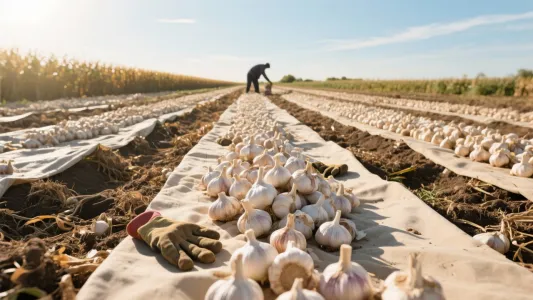
The quality of fresh garlic bulbs starts from the planting stage. Green planting methods, such as using organic fertilizers and biological pest control, can improve the natural resistance of garlic bulbs. Post - harvest treatment, including proper cleaning, sorting, and pre - cooling, also plays a crucial role in ensuring the effectiveness of subsequent packaging. For example, pre - cooling the garlic bulbs to 0 - 4°C within 24 hours after harvest can significantly extend their shelf life.
International certifications like Global GAP, HACCP, and ISO22000 are important indicators of product quality and safety. They demonstrate that the garlic bulbs are produced and processed in accordance with international standards. Third - party inspection reports from organizations like SGS can further enhance the credibility of the products. For example, more than 70% of European buyers prefer to purchase garlic bulbs with valid international certifications and third - party inspection reports.
In addition to packaging, temperature and humidity control, as well as logistics environment monitoring, are essential for maintaining the quality of fresh garlic bulbs during transportation. Using advanced technologies such as temperature - controlled containers and real - time monitoring systems can ensure that the garlic bulbs are always in a suitable environment. For example, maintaining a relative humidity of 60 - 70% and a temperature of 2 - 4°C can effectively prevent mold growth and sprouting.
In conclusion, choosing the right packaging solution for exporting fresh garlic bulbs requires a comprehensive consideration of supply chain management, packaging technology, and international certification. By making a scientific packaging decision, export enterprises can improve customer satisfaction and enhance their market competitiveness.
 362
|
362
|
 fresh garlic transportation
supply chain optimization
mold prevention in garlic
garlic packaging techniques
temperature and humidity control
fresh garlic transportation
supply chain optimization
mold prevention in garlic
garlic packaging techniques
temperature and humidity control
 178
|
fresh garlic transportation
temperature humidity control
supply chain management
garlic quality preservation
logistics monitoring
178
|
fresh garlic transportation
temperature humidity control
supply chain management
garlic quality preservation
logistics monitoring
 126
|
fresh tomato export standards
lycopene nutritional benefits
processed tomato specifications
retail tomato quality criteria
international agri-supply chain
126
|
fresh tomato export standards
lycopene nutritional benefits
processed tomato specifications
retail tomato quality criteria
international agri-supply chain
 316
|
fresh garlic quality assurance
long-distance garlic transportation
green cultivation
post-harvest processing
temperature and humidity control
316
|
fresh garlic quality assurance
long-distance garlic transportation
green cultivation
post-harvest processing
temperature and humidity control
 211
|
Fresh garlic bulb preservation technology
Long - distance transport temperature - humidity control
Garlic packaging solutions
Agricultural product supply chain management
Export garlic quality standards
211
|
Fresh garlic bulb preservation technology
Long - distance transport temperature - humidity control
Garlic packaging solutions
Agricultural product supply chain management
Export garlic quality standards