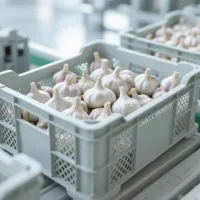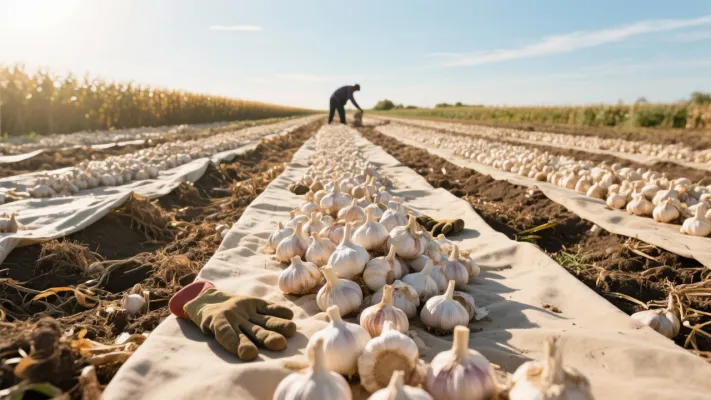
Maintaining the quality and freshness of garlic bulbs during long-distance transport poses significant challenges for exporters and supply chain professionals. This comprehensive guide unpacks the full process from harvest to logistics, revealing how to guarantee product integrity through effective supply chain management, packaging, and environmental controls aligned with global standards such as Global GAP, HACCP, and ISO22000.
The journey to premium fresh garlic begins at the production site. Cultivating garlic under sustainable, chemical-free practices guided by Global GAP certification ensures the raw material is free from harmful residues and meets international safety criteria. Regions with temperate climates and well-drained soils — such as parts of China’s Shandong province or Spain’s Castilla-La Mancha — are preferred due to their optimal conditions for garlic bulb development.
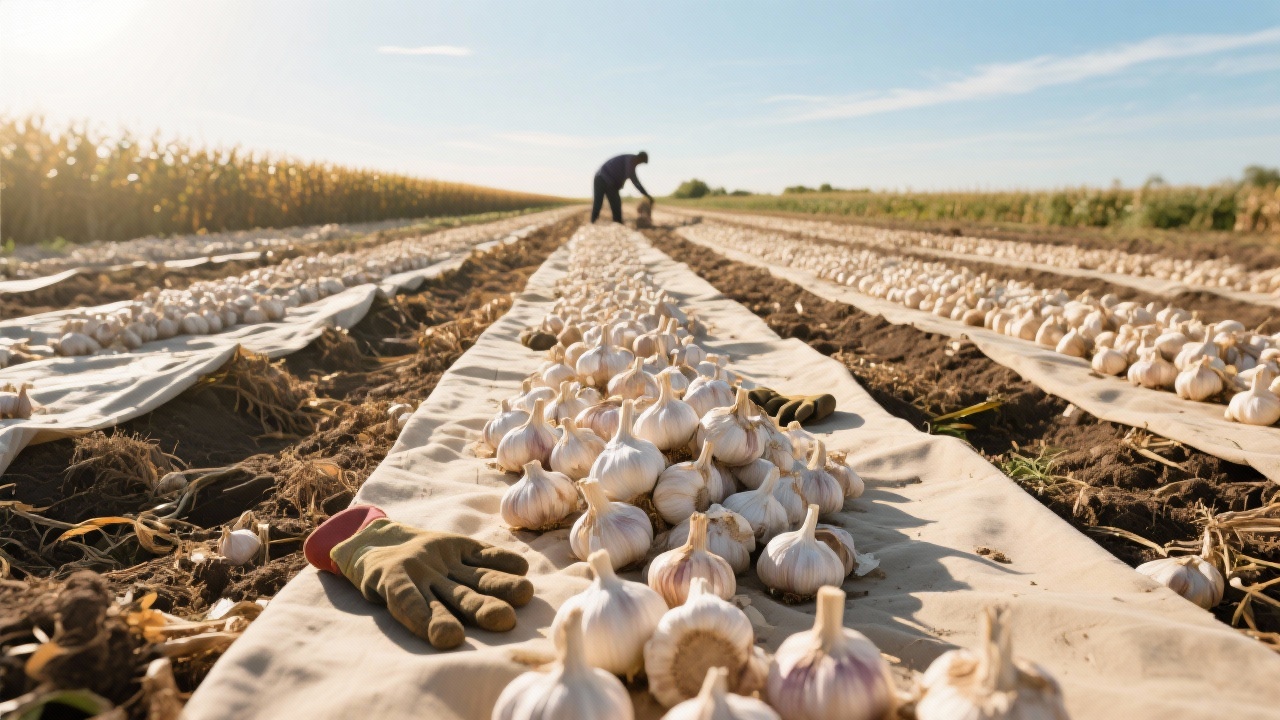
Harvesting at the correct maturity (approximately 75-80 days post-planting) is crucial to maximize shelf life. Timely harvesting prevents premature sprouting and reduces susceptibility to fungal infections.
After harvest, garlic bulbs undergo delicate cleaning to remove soil and external debris without damaging the skin — typically by gentle air-blowing and light brushing. Subsequently, bulbs are dried or “cured” in controlled environments with relative humidity of 60-70% and temperatures between 25-30°C over 7–14 days. This process reduces surface moisture, blocking microbial growth and enhancing storage stability.
Sorting removes damaged or diseased bulbs, an important practice conforming with HACCP protocols to minimize contamination risks and maintain uniform quality batches.
Packaging plays a pivotal role in protecting garlic during shipment. Options range from traditional mesh bags to modern vacuum or modified atmosphere packaging (MAP) that prolongs freshness by limiting oxygen exposure and moisture ingress.
Mesh Bags: Lightweight and breathable, ideal for short to medium transport distances but less effective for extended periods due to vulnerability to moisture and physical damage.
Vacuum Packaging: Removes air to slow oxidation and sprouting, proven to increase shelf life by roughly 40%. Nevertheless, it requires precise handling to avoid bulb deformation.
Modified Atmosphere Packaging (MAP): Adjusts gas composition inside the pack (usually lower oxygen and elevated nitrogen) to inhibit sprouting and fungal growth, offering transport periods up to 45 days with refrigeration.
Precise control of temperature and humidity during transport is indispensable. Scientific studies indicate that maintaining transit temperatures within 0–4°C and relative humidity between 65-75% minimizes sprouting and microbial spoilage.
Advanced refrigerated containers equipped with real-time temperature and humidity sensors can notify stakeholders of deviations instantly, allowing swift corrective actions. The application of cold chain logistics technologies reduces quality degradation rates by up to 30% compared to ambient transport.
Quality assurance is reinforced by strict adherence to internationally recognized certifications:
Routine third-party lab testing for pesticide residues, microbial contaminants, and moisture levels further assures buyers of product safety and quality integrity. For instance, moisture content below 65% post-drying prevents fungal growth. These verifications are indispensable for gaining trust in sensitive export markets such as the European Union, the United States, and the Middle East.
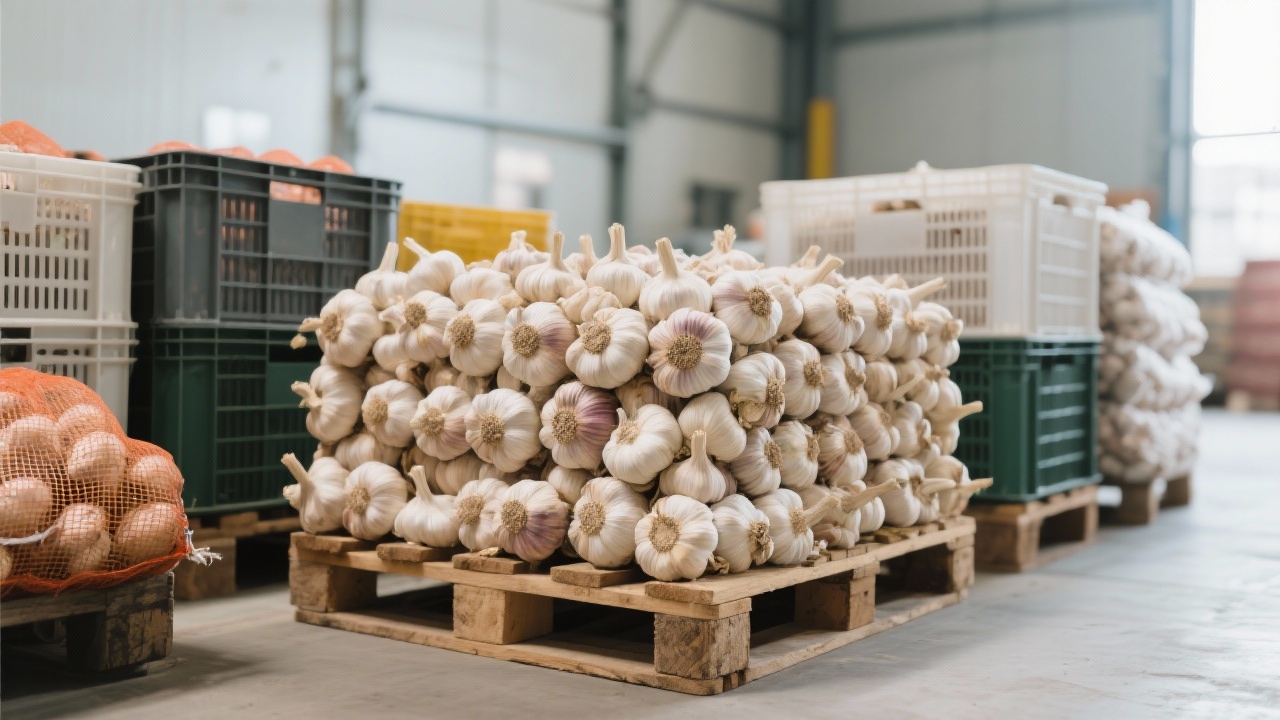
Integration of digital tracking systems such as IoT sensors for temperature and humidity monitoring, along with blockchain-enabled traceability, is elevating transparency and responsiveness in garlic transport. Suppliers, logistics providers, and buyers collaborate closely using shared platforms to update shipment status and intervene before quality deterioration occurs.
Efficient coordination reduces lead time variability and minimizes losses, ensuring consistent fresh garlic supply throughout the year despite seasonal limitations.

 160
|
160
|
 garlic processing certification
HACCP for garlic products
ISO22000 food safety
export garlic compliance
food safety management system
garlic processing certification
HACCP for garlic products
ISO22000 food safety
export garlic compliance
food safety management system
 57
|
fresh garlic export preservation
temperature-controlled logistics solutions
garlic cold chain transport
food supply chain management
cross-border agricultural transport
311
|
Garlic paste export challenges
Flavor stability solutions
Garlic processing technology
Food export compliance standards
HACCP certification application
126
|
fresh tomato export standards
lycopene nutritional benefits
processed tomato specifications
retail tomato quality criteria
international agri-supply chain
57
|
fresh garlic export preservation
temperature-controlled logistics solutions
garlic cold chain transport
food supply chain management
cross-border agricultural transport
311
|
Garlic paste export challenges
Flavor stability solutions
Garlic processing technology
Food export compliance standards
HACCP certification application
126
|
fresh tomato export standards
lycopene nutritional benefits
processed tomato specifications
retail tomato quality criteria
international agri-supply chain
 255
|
export ginger cold chain transport
ginger temperature management
fresh produce cold chain logistics
breathable packaging for ginger
GlobalGAP export standards
255
|
export ginger cold chain transport
ginger temperature management
fresh produce cold chain logistics
breathable packaging for ginger
GlobalGAP export standards