Fresh garlic is highly valued worldwide for its culinary and medicinal properties, yet it remains a perishable commodity vulnerable to quality degradation during long-distance transportation. Exporters and logistics professionals face significant challenges such as moisture-induced sprouting, mold development, and loss of pungency. Addressing these pain points requires a comprehensive supply chain strategy that integrates cutting-edge temperature and humidity monitoring, alongside tailored packaging and cold chain logistics solutions.
During extended transit, fluctuations in temperature and humidity accelerate enzymatic and microbial activities that compromise fresh garlic quality. Moisture accumulation can trigger premature sprouting and fungal contamination, while elevated temperatures lead to volatilization of key aroma compounds, diminishing flavor intensity that end buyers demand. According to industry reports, up to 30% of fresh garlic shipments experience quality loss due to inadequate environmental controls, impacting supplier reputation and buyer satisfaction.
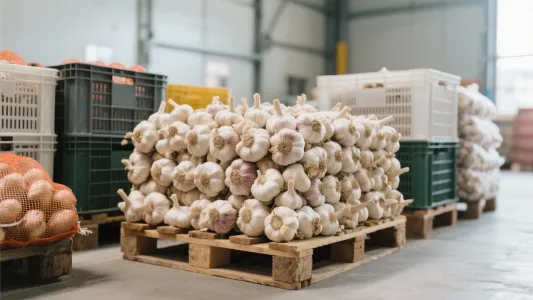
Successful preservation begins in the field with green agricultural practices consistent with Global GAP standards, emphasizing soil health, regulated irrigation, and pest management to produce robust garlic bulbs. Post-harvest handling involves rapid curing to remove excess moisture and physical defects. Prior to shipment, vacuum packaging stabilizes garlic by reducing oxygen exposure, thereby inhibiting oxidative reactions and microbial growth.
Temperature-controlled transportation employing refrigerated containers maintains an ideal ambient range, typically between 0–4°C, with relative humidity held near 65–70%. Real-time monitoring devices log environmental data at preset intervals, enabling stakeholders to detect and address deviations swiftly. For example, IoT-enabled sensors transmit continuous temperature-humidity metrics, alerting logistics managers through cloud platforms to potential risks before irreversible damage occurs.
Vacuum packaging extends shelf life by creating a controlled atmosphere that limits oxygen and moisture ingress. This method is critical in preventing sprouting and mold, which are most common within the first two weeks after harvest if untreated. Complementing packaging, refrigerated trucks equipped with precise cooling systems maintain the cold chain under strict compliance with HACCP and ISO 22000 food safety standards. These trucks are calibrated to maintain consistent internal conditions despite external temperature variations, with humidity control systems reducing condensation risks.
Standards compliance is further validated through SGS laboratory inspections, which confirm microbial safety, pesticide residue levels, and moisture content before export. This multi-layered verification enhances confidence among international buyers and regulatory authorities, smoothing customs clearance and market entry.
The proposed model integrates pre-harvest, post-harvest, and logistics stages with continuous quality verification. Key performance indicators (KPIs) such as temperature deviation rates below 2%, humidity variance within ±5%, and zero tolerance for microbial contamination ensure adherence to best practices. By leveraging data analytics from monitoring devices, supply chain managers can implement predictive maintenance and dynamic routing to mitigate delays and environmental hazards.
Procurement specialists benefit from transparent quality data that supports contract negotiations and risk assessments. Meanwhile, logistics experts optimize fleet utilization and cold storage allocation, achieving up to 20% reduction in spoilage-related losses. Together, these measures enable export enterprises to deliver consistent fresh garlic quality, solidifying buyer trust and competitive advantage.
Discover detailed methodologies and proven practices in fresh garlic preservation. Explore our comprehensive technical whitepaper on Export Fresh Garlic Preservation Solutions.

 311
|
311
|
 Garlic paste export challenges
Flavor stability solutions
Garlic processing technology
Food export compliance standards
HACCP certification application
158
|
Garlic powder production process
Garlic paste making process
Garlic sauce processing technology
Overseas foodservice garlic application
Garlic processing food safety
429
|
garlic moisture control
vacuum packaging for garlic
deoxidizer application
long-distance garlic preservation
fresh garlic packaging technology
Garlic paste export challenges
Flavor stability solutions
Garlic processing technology
Food export compliance standards
HACCP certification application
158
|
Garlic powder production process
Garlic paste making process
Garlic sauce processing technology
Overseas foodservice garlic application
Garlic processing food safety
429
|
garlic moisture control
vacuum packaging for garlic
deoxidizer application
long-distance garlic preservation
fresh garlic packaging technology
 126
|
fresh tomato export standards
lycopene nutritional benefits
processed tomato specifications
retail tomato quality criteria
international agri-supply chain
126
|
fresh tomato export standards
lycopene nutritional benefits
processed tomato specifications
retail tomato quality criteria
international agri-supply chain
 341
|
Fresh garlic bulb transportation
Mildew prevention technology
Post - harvest treatment
Packaging solutions
Supply chain quality management
341
|
Fresh garlic bulb transportation
Mildew prevention technology
Post - harvest treatment
Packaging solutions
Supply chain quality management