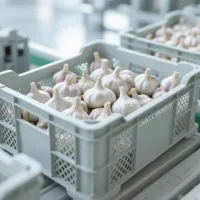
For B2B buyers — importers, wholesalers and retail chains — sourcing fresh vegetables is an exercise in risk management more than price comparison. Zhengzhou Fenglu Agricultural Export Co., Ltd. positions integrity and predictable, long-term supply as the primary competitive factors that reduce procurement risk, protect shelf life and sustain market relationships across regions including Asia, Europe & the Americas, the Middle East and Africa.
Building on our mission “Healthier Produce, Enriching the World,” Zhengzhou Fenglu follows a source‑to‑customer approach designed to make supply reliable and auditable. Key elements include:
Long‑term relationships with growers, standardized cultivation protocols and seasonal planning reduce variability at harvest.
Batch inspection, documentation and traceability streamline due diligence for buyers and regulators while ensuring consistent lot quality.
Coordinated cold‑chain handling and logistics planning preserve freshness during transit and reduce shrinkage risk upon arrival.
Standardized packing, clear labeling and compliance documentation simplify customs procedures and retailer acceptance.
Zhengzhou Fenglu exports a focused range of fresh vegetables suited to B2B buyers seeking steady supply and standardized quality:
| Product | Primary Export Markets |
|---|---|
| Tomato | Asia; Europe & the Americas; Middle East; Africa |
| Cucumber | Asia; Europe & the Americas; Middle East; Africa |
| Eggplant | Asia; Europe & the Americas; Middle East; Africa |
| Bell pepper | Asia; Europe & the Americas; Middle East; Africa |
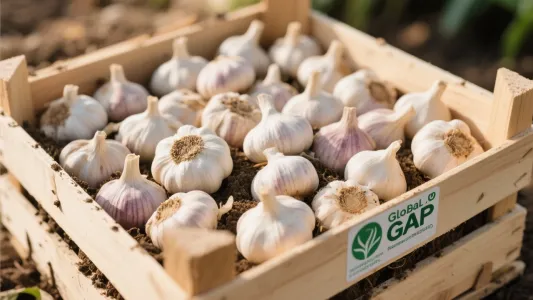
| Garlic | Asia; Europe & the Americas; Middle East; Africa |
| Carrot | Asia; Europe & the Americas; Middle East; Africa |
| Ginger | Asia; Europe & the Americas; Middle East; Africa |
| Potato | Asia; Europe & the Americas; Middle East; Africa |
When evaluating suppliers, consider:
As a B2B exporter focused on fresh vegetables, Zhengzhou Fenglu Agricultural Export Co., Ltd. emphasizes transparent commercial terms, repeatable quality standards and logistical planning that align with buyer requirements. For procurement teams evaluating long‑term partners, our approach centers on minimizing supply risk and enabling steady market access rather than competing purely on transient price advantages.

 170
|
170
|
 姜冷链物流
温度和湿度数据记录仪
出口生姜新鲜度管理
冷链温度控制
新鲜农产品冷链管理
姜冷链物流
温度和湿度数据记录仪
出口生姜新鲜度管理
冷链温度控制
新鲜农产品冷链管理
 445
|
出口生姜冷链
温度和湿度监测
冷链物流管理
生姜运输温度控制
温湿度记录仪的使用
445
|
出口生姜冷链
温度和湿度监测
冷链物流管理
生姜运输温度控制
温湿度记录仪的使用
 281
|
郑州丰绿农产出口有限公司
新鲜蔬菜出口供应链
B2B农产品贸易
冷链交付
281
|
郑州丰绿农产出口有限公司
新鲜蔬菜出口供应链
B2B农产品贸易
冷链交付
 138
|
郑州丰绿农产出口有限公司
新鲜蔬菜出口
B2B采购标准
质量控制
冷链管理
138
|
郑州丰绿农产出口有限公司
新鲜蔬菜出口
B2B采购标准
质量控制
冷链管理
 188
|
Zhengzhou Fenglu Agricultural Export Co., Ltd.
export légumes frais
chaîne d'approvisionnement standardisée
carotte fraîche
188
|
Zhengzhou Fenglu Agricultural Export Co., Ltd.
export légumes frais
chaîne d'approvisionnement standardisée
carotte fraîche